This content was produced for Siemens by the foundry @ TIME INC. TIME editorial staff was not involved in its creation or production.

INTELLIGENT ENERGY EQUATION
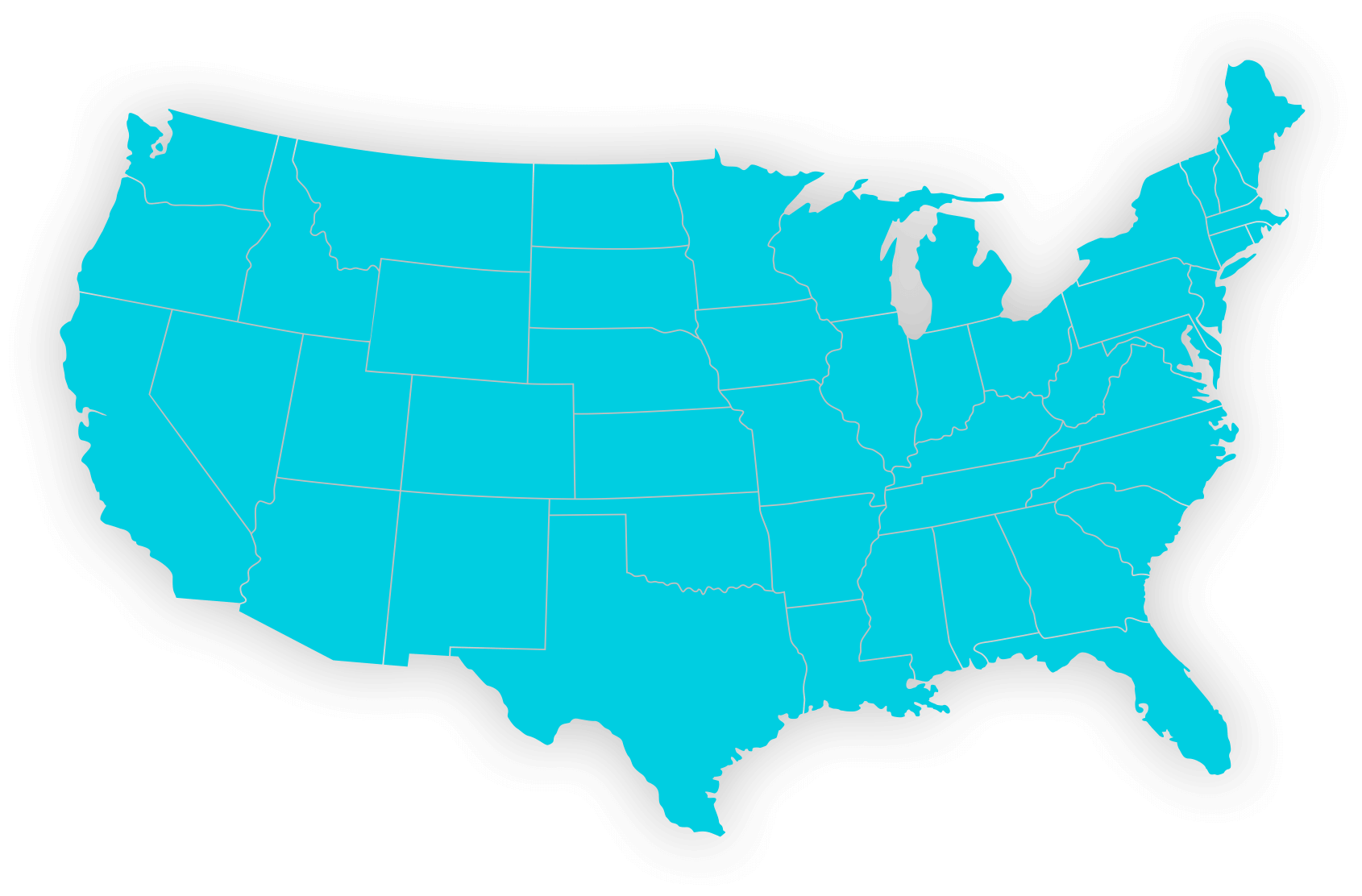
Local onsite energy solutions are transforming the way we approach today’s energy challenges. Click on our interactive energy map below to view key technologies that put schools, communities and cities in charge of their energy supply, giving them control of their energy future.


MAPPING AMERICA’S ENERGY FUTURE
All across America, universities, manufacturers, utilities and communities are realizing they have more control over how they manage their energy than they ever thought possible. Explore some of the new technologies that are redefining industry benchmarks in the U.S.”
CLICK ICONS TO LEARN MORE


Masters of Their Own Energy
In the aftermath of Hurricane Sandy, Wesleyan University suffered a weeklong blackout, a common problem caused by natural disasters and another key challenge addressed by on-site energy technologies. At Wesleyan, Siemens installed a combined heat and power (CHP) system in the school’s athletic facility. The system not only provides energy to keep the pool warm and the hockey rink frozen, it also harnesses the steam it produces to heat the campus–reducing the school’s carbon footprint and providing $1,000 in daily energy savings.

Powerhouse
Powering the CHP system is an 8-ton, 7-foot tall, natural gas-burning engine, supplied by Siemens, that generates
to run the athletic center (1 kWh = 1,000 watts, enough to power a hair dryer for 3 minutes)

NOT TOO COOL FOR SCHOOL POOL
The CHP system keeps the Wesleyan Natatorium’s Olympic-size swimming pool at

GREEN MACHINE
Wesleyan’s CHP system not only prevents future power failures but also saves the university an estimated
from lower gas and electricity usage — nearly
since firing up March 14, 2014.

Energy Synergy
CHPs are one of numerous on-site energy solutions pioneered by Siemens for commercial facilities.
They reduce operational costs by
 -%,
generate ROI in
and cut CO2 emissions at similar scales.

Microgrids Go Macro
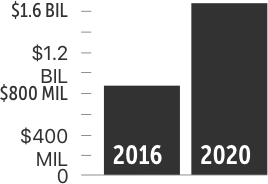
As of August 2016, the U.S. had about 160 microgrids with 1,649 MW of capacity, according to GTM Research. By 2020, capacity will reach 4.3 GW, while the market opportunity will double, from $836 million in 2016 to $1.66 billion.
Powerhouse
Powering the CHP system is an 8-ton, 7-foot tall, natural gas-burning engine, supplied by Siemens’ Dresser-Rand division, that generates
to run the athletic center (1 kWh = 1,000 watts, enough to power a hair dryer for 3 minutes)
NOT TOO COOL FOR SCHOOL POOL
The CHP system keeps the Wesleyan Natatorium’s Olympic-size swimming pool at
GREEN MACHINE
Wesleyan’s CHP system not only prevents future power failures but also saves the university an estimated
from lower gas and electricity usage — nearly
since firing up March 14, 2014.
Energy Synergy
CHPs are one of numerous on-site energy solutions pioneered by Siemens for commercial facilities.
They reduce operational costs by
-%,generate ROI in
and cut CO2 emissions at similar scales.
Microgrids Go Macro
As of August 2016, the U.S. had about 160 microgrids with 1,649 MW of capacity, according to GTM Research. By 2020, capacity will reach 4.3 GW, while the market opportunity will double, from $836 million in 2016 to $1.66 billion.


Empowering Engineering Students to Design Smarter Grids
There has been a lot of buzz lately in the energy industry around the so-called smart grid. The grid itself, dating to the 1890s, is the wired infrastructure that has delivered electricity to homes, businesses and other users from power plants operated by public and private utilities. Thanks to the grid, you simply flip a switch and the lights go on—a one-way system that has worked well enough for decades.
What has made the grid smart is the advent of digital technology that now allows for two-way communication between a utility and its customers. Basically, that means the utility can automatically send and receive real-time data directly from the various devices it provides electricity to in order to make the grid more efficient, reliable, economical and environmentally friendly, especially as solar, wind and other renewable energy sources are tying into systems.
Yet technology, of course, marches on, putting even greater demands on the smart grid to interconnect home appliances, cellphones, electric cars, solar panels, wind turbines, manufacturing robots and various other stuff comprising the Internet of Things beginning to dominate our everyday lives. So the grid needs to get even smarter. That mission is being accomplished in part through an innovative collaboration between Siemens and the University of Central Florida in Orlando.
“For decades, Siemens has grown to be one of Orlandoʼs largest employers with a strong commitment to our community and a long history of collaborating with our hometown university, UCF,” says Orlando Mayor Buddy Dyer. “Like the many other successful partnerships forged between Siemens and UCF, the new Digital Smart Grid Lab supports the Cityʼs continued efforts to make Orlando a national leader in sustainability, in training the next generation of high-tech workers and helping create high-wage jobs in emerging career fields.”
Among those are UCF students studying electrical engineering, a traditional discipline thatʼs rapidly responding to this brave new world. The emerging breed of EEs are learning not only how to design the hardware and software that control the ever smarter grid but also how to operate, manage and lead increasingly sophisticated utilities.

I want to be part of the system that decreases the carbon footprint of the industry in an environmentally friendly way.
—MIKE RATHBUN, UCF GRADUATESiemens, a leader in the international energy industry, and UCF recently unveiled the Digital Grid Lab on the universityʼs Orlando campus. The 660-square-foot, state-of-the-art facility provides undergraduate and graduate EE students with hands-on training with the same equipment and digital systems Siemens currently has installed in utilities throughout the U.S. and other countries.
“The Digital Grid Lab allows students to see holistically what goes on in todayʼs modern utilities and electrical systems,” says Zhihua Qu, professor and chair of UCFʼs Department of Electrical and Computer Engineering. “The work they do goes well beyond what they learn in textbooks. They are able to use real-world data to develop system analyses, case studies and original research projects. Importantly, too, our students are trained on cutting-edge tools Siemens has created and that are being used in the industry, so they will be more than ready for employment after graduation.”
The opening of the lab in March is part of a long-standing partnership between Siemens and UCF. “The energy jobs of today and tomorrow require the skills to match the new technologies that are moving our grid into the 21st century,” observes Mike Carlson, president of Siemens Digital Grid in North America. “Weʼre thrilled that this lab will help further close the energy-skills gap and give these students the experience that will strongly position them and our country for success.”
Along with helping to set up the Digital Grid Lab, Siemensʼ energy-industry experts offer guidance on the EE departmentʼs curriculum and research direction, Qu says. “They are on campus interacting with students, engaging with them through seminars, conferences and internships,” he adds. And as the company develops new features for its digital grid software, it uses UCF students to test the technology.
Mike Rathbun, who graduated from UCF in May with a degree in electrical engineering, appreciated the opportunity to study in the Digital Grid Lab. “While the fundamentals we learned in the classroom were important, being able to use the Siemens technology in the lab gave us a real-world overview of what we can do with those fundamentals,” he explains. “Finding groundbreaking and creative solutions to problems that people in the energy industry are facing was invaluable.”
Rathbun will enter the departmentʼs doctoral program later this year, focusing on renewable energy systems, particularly as they apply to the smart grid, so heʼs looking forward to spending more time in the lab. While a Ph.D. is still several years away, “I see myself becoming a design consultant for renewables,” he says, “whether itʼs developing solar farms for utilities, integrating residential solar systems or creating control algorithms to integrate those into the power grid. I want to be part of the system that decreases the carbon footprint of the industry in an environmentally friendly way.”
To learn more about on-site energy solutions that will power your energy future, go to Siemens energy insights
America's Energy Roadmap
From the Editors of TIME and Fortune

