


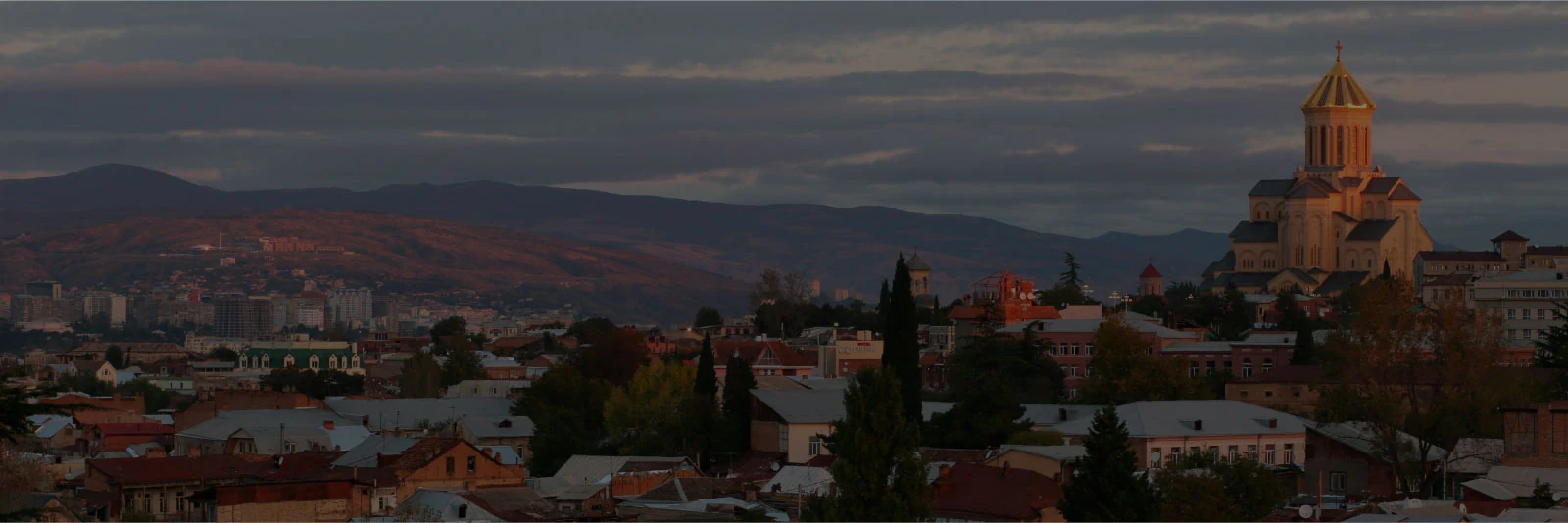


The renovated building at 11 Machabeli Street in Tbilisi houses the Georgian National Olympic Committee (GNOC). Behind the whitewashed facade, sleek offices speak to a country eager to move on from a complicated past. Between the entrance and the sidewalk, stretching up to the third of the building’s three stories, stands a handful of Nordmann firs—in the Georgian language, sochi trees.
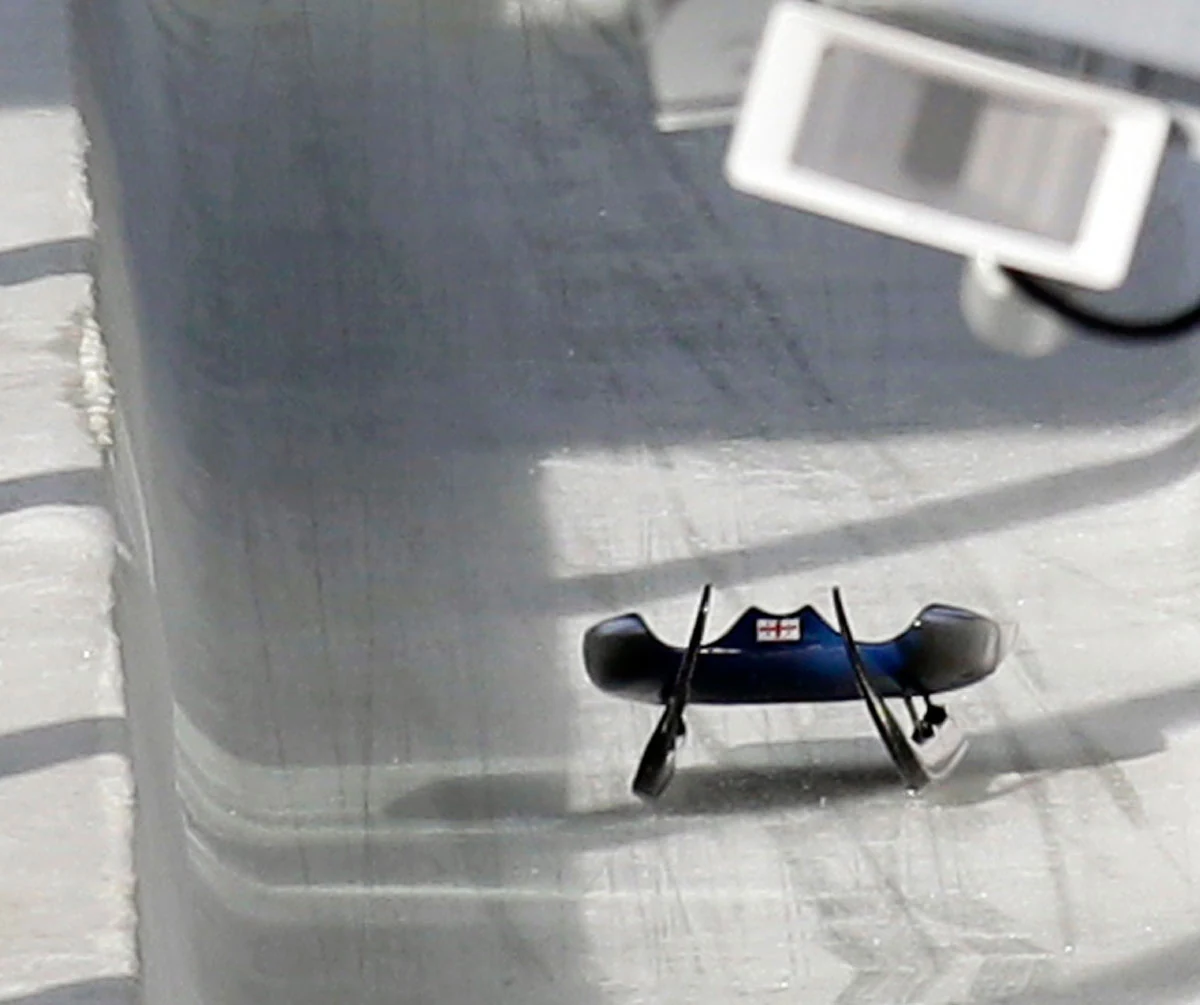
Kumaritashvili’s luge, photographed shortly after his fatal crash in Vancouver, is now a prime relic at the Georgian Olympic Museum in Tbilisi.
Michael Sohn/AP
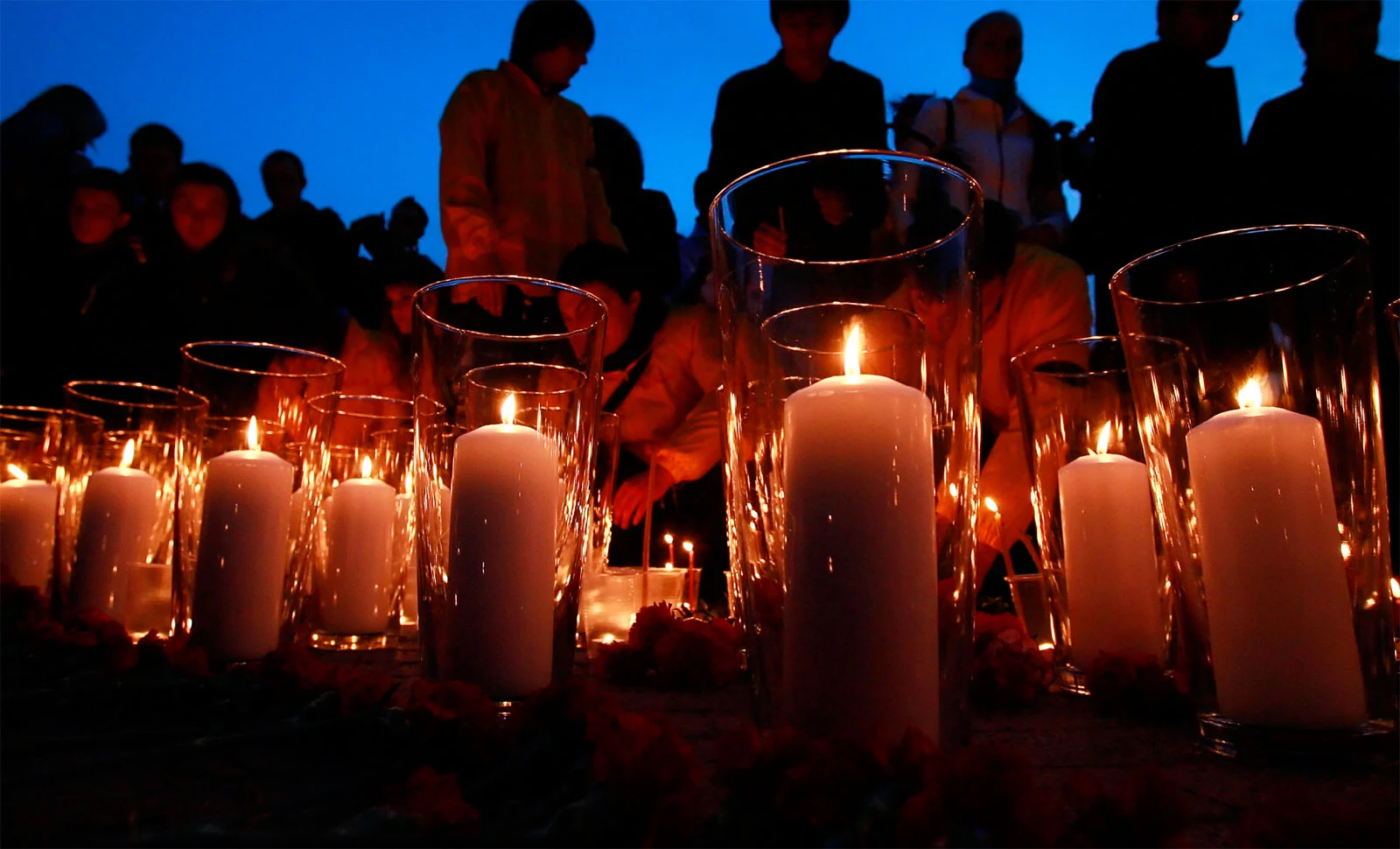
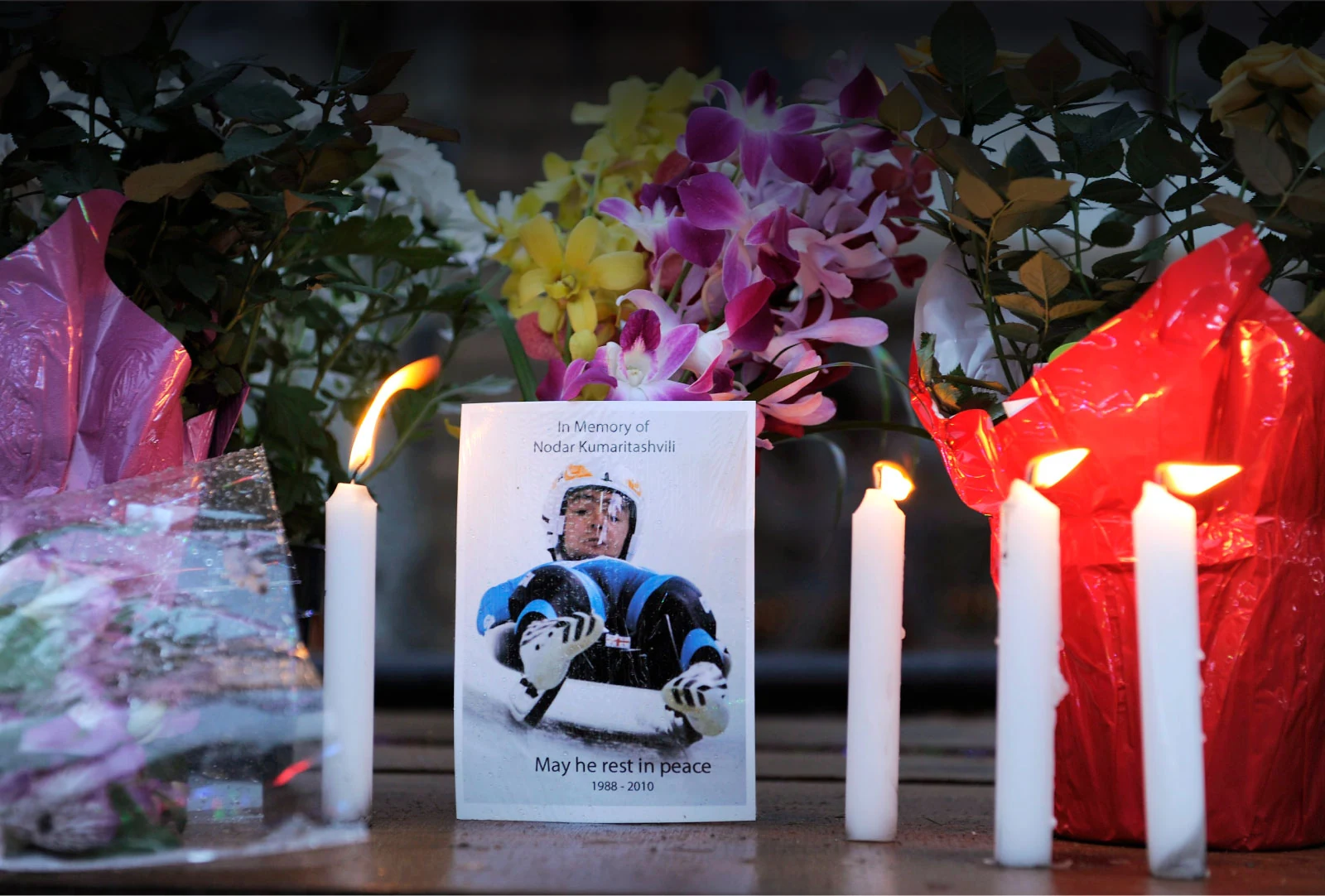
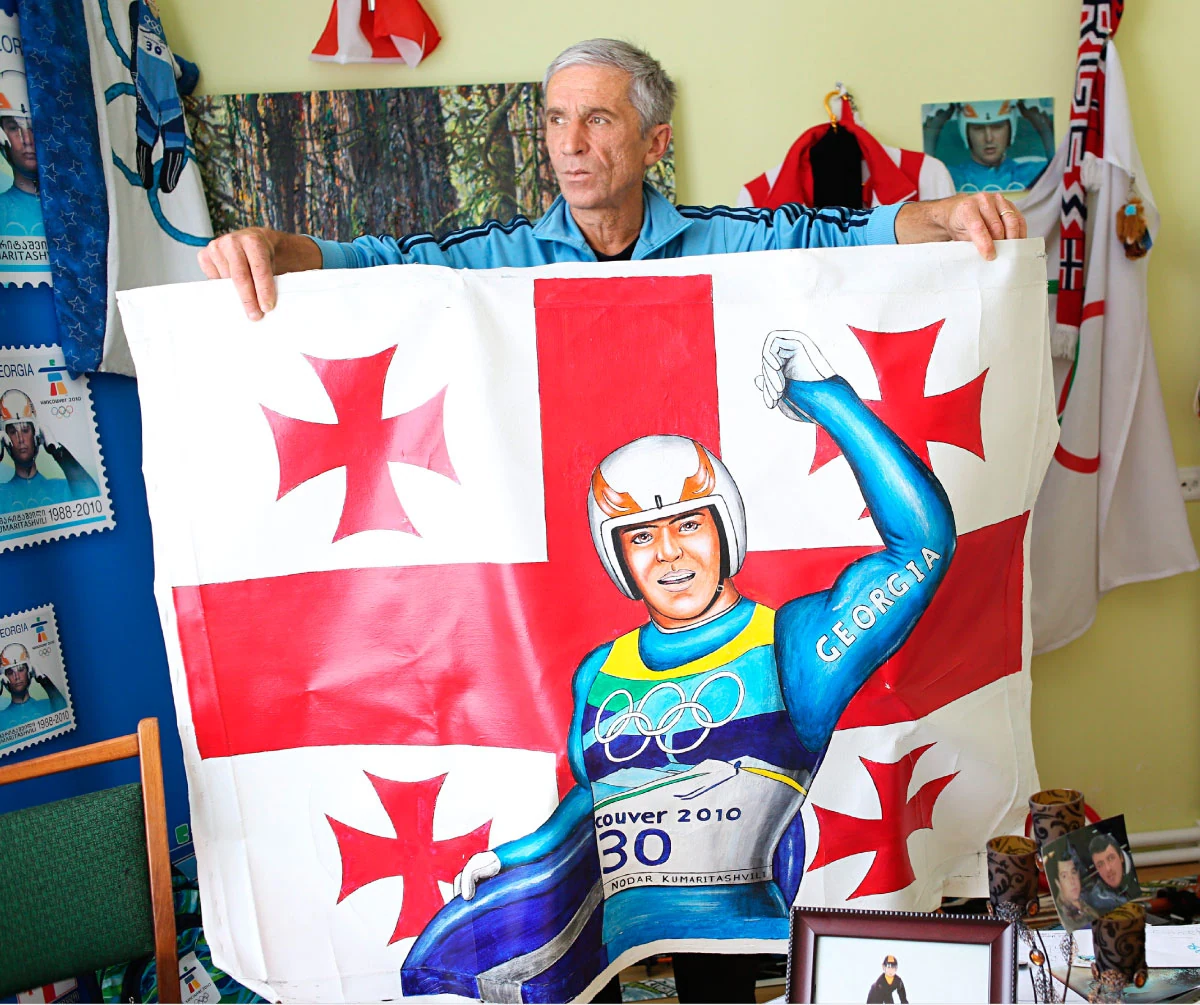
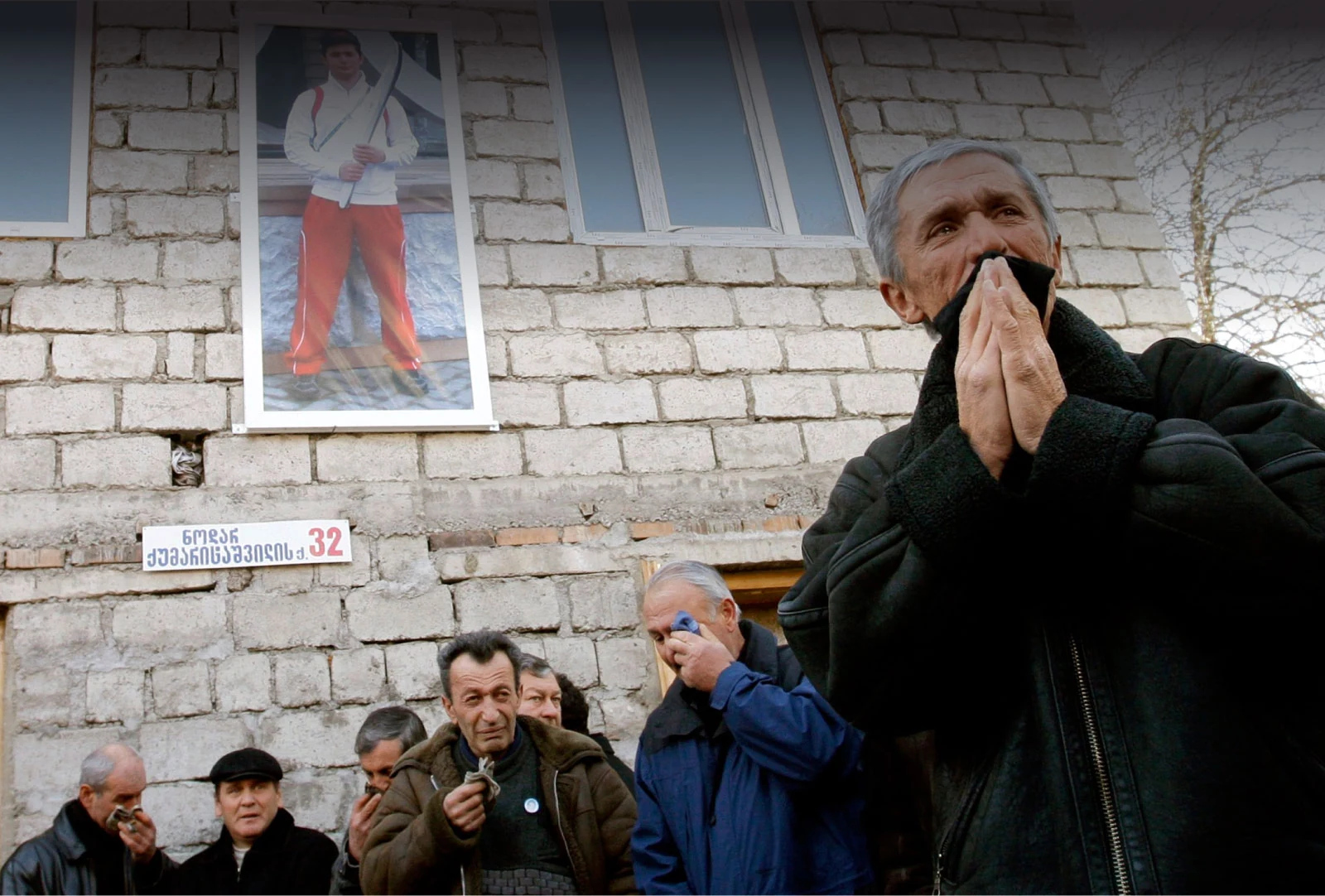
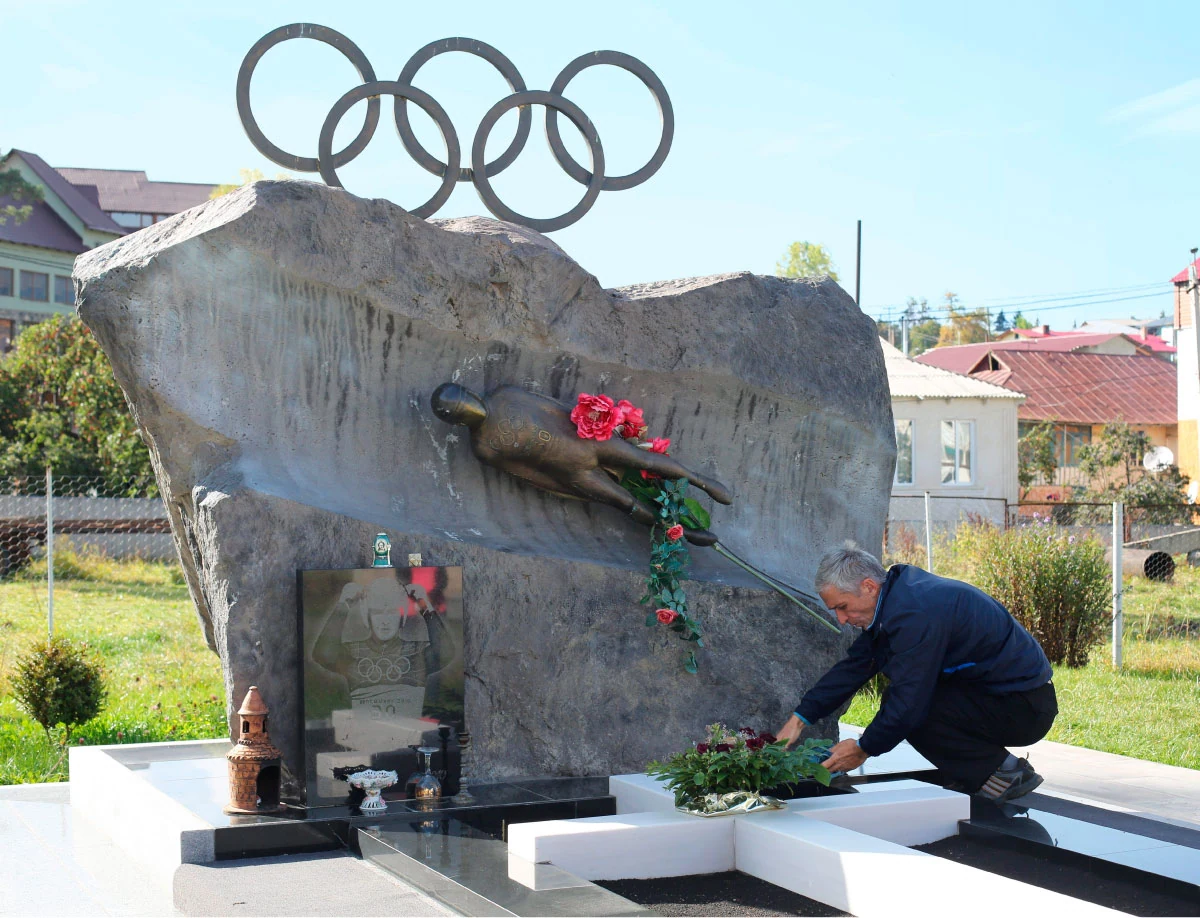
But the modern sheen and the greenery can’t conceal everything. History tells us that at this very address during the 1930s, when Georgia was a republic of the Soviet Union, Josef Stalin’s henchman Lavrenti Beria directed a campaign of terror that led to the deaths of tens of thousands of people. Today, in the Georgian Olympic Museum on the ground floor, a single death loops on a TV monitor: that of luger Nodar Kumaritashvili, who, hours before the opening ceremony of the 2010 Winter Olympics in Vancouver, lost control during a training run and was killed when his head struck a steel support pillar. Steps away from the screen are Kumaritashvili’s sled and his cracked helmet.
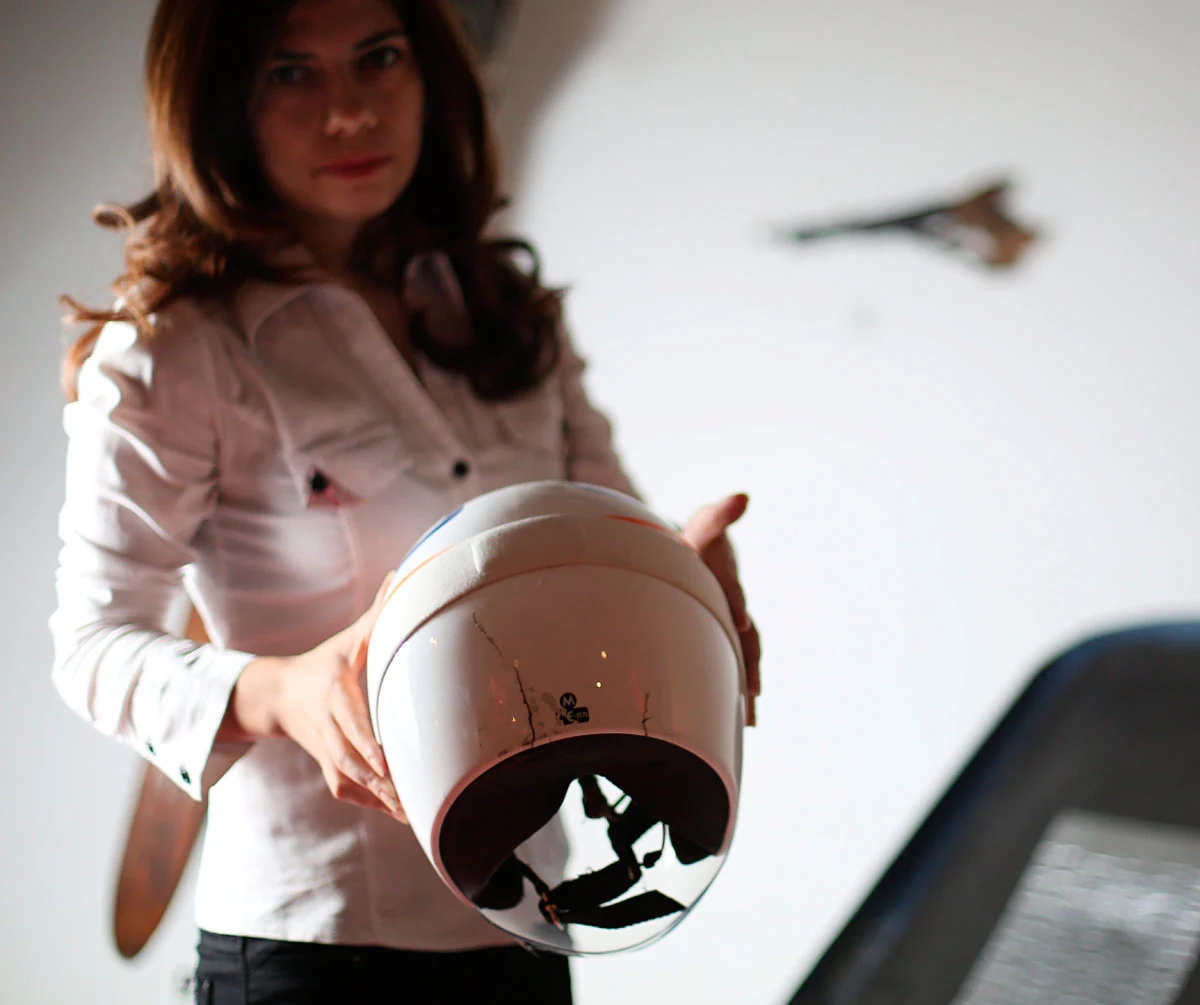
Ketevan Otarashvili, the manager of the Georgian Olympic Museum, holds the cracked helmet that Kumaritashvili was wearing when he crashed in Vancouver.
Jodi Hilton for Sports Illustrated
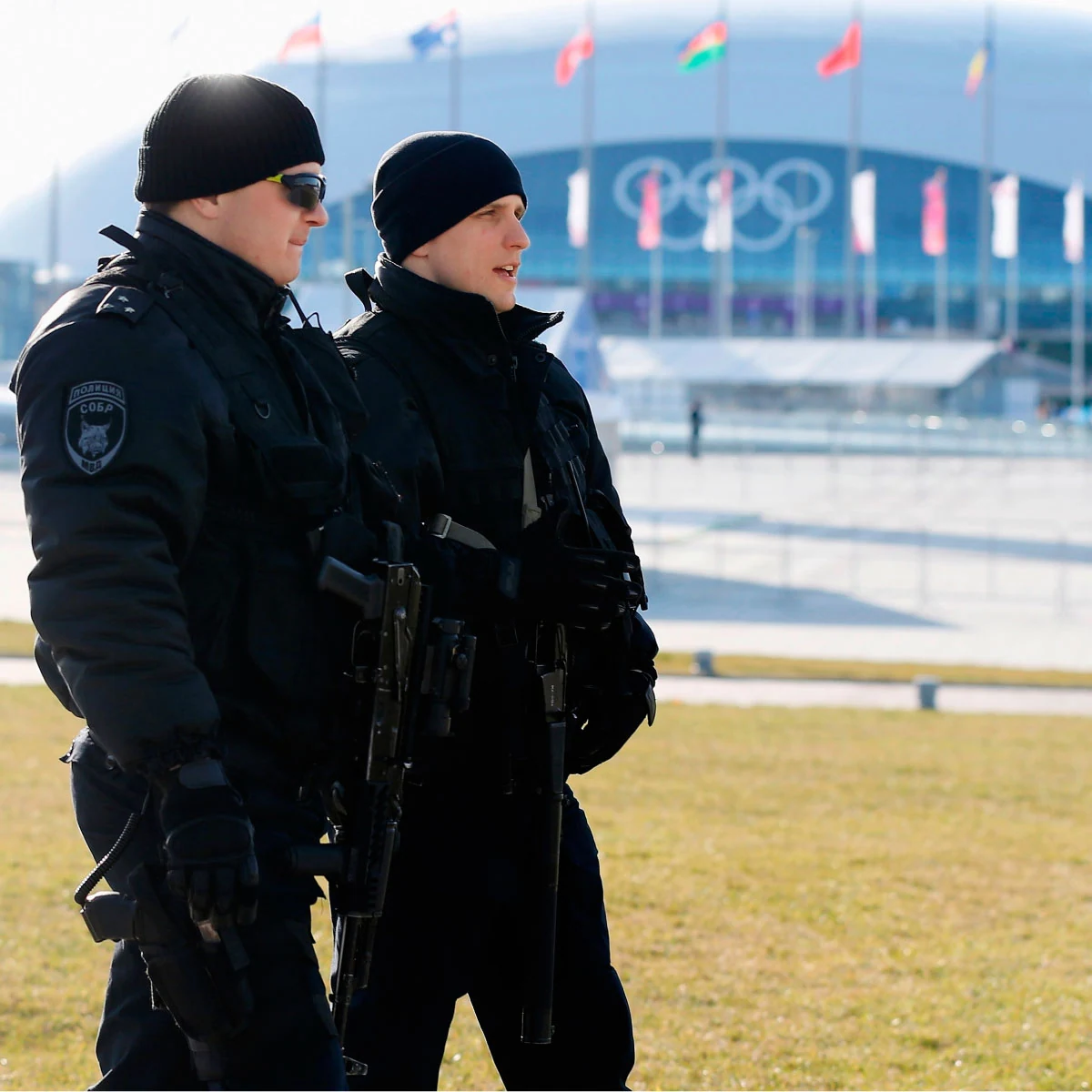
If such morbid details command our attention, it’s for reasons of recent history, contemporary politics, geographic reality and the Sochi Olympics. These Games, taking place on the doorstep of one of the most volatile regions on earth—the Muslim lands of the North Caucasus—are as much Caucasian as Russian. The North Caucasus is the ancestral homeland of Dzhokhar and Tamerlan Tsarnaev, the brothers who allegedly set off two bombs at the 2013 Boston Marathon, and Islamist militants from the region have threatened attacks on the Sochi Games.
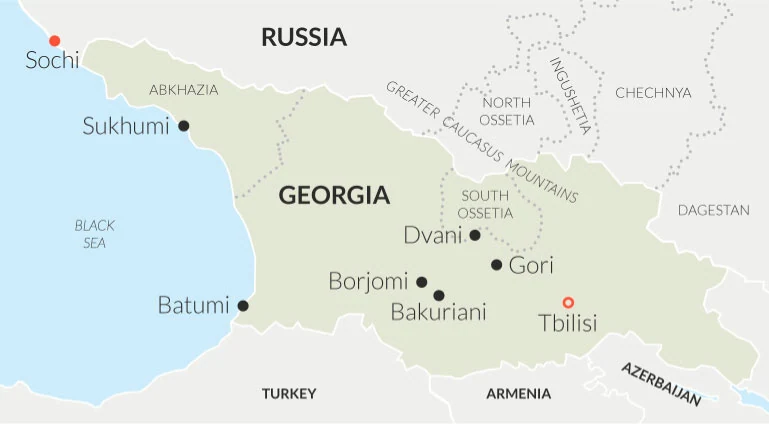
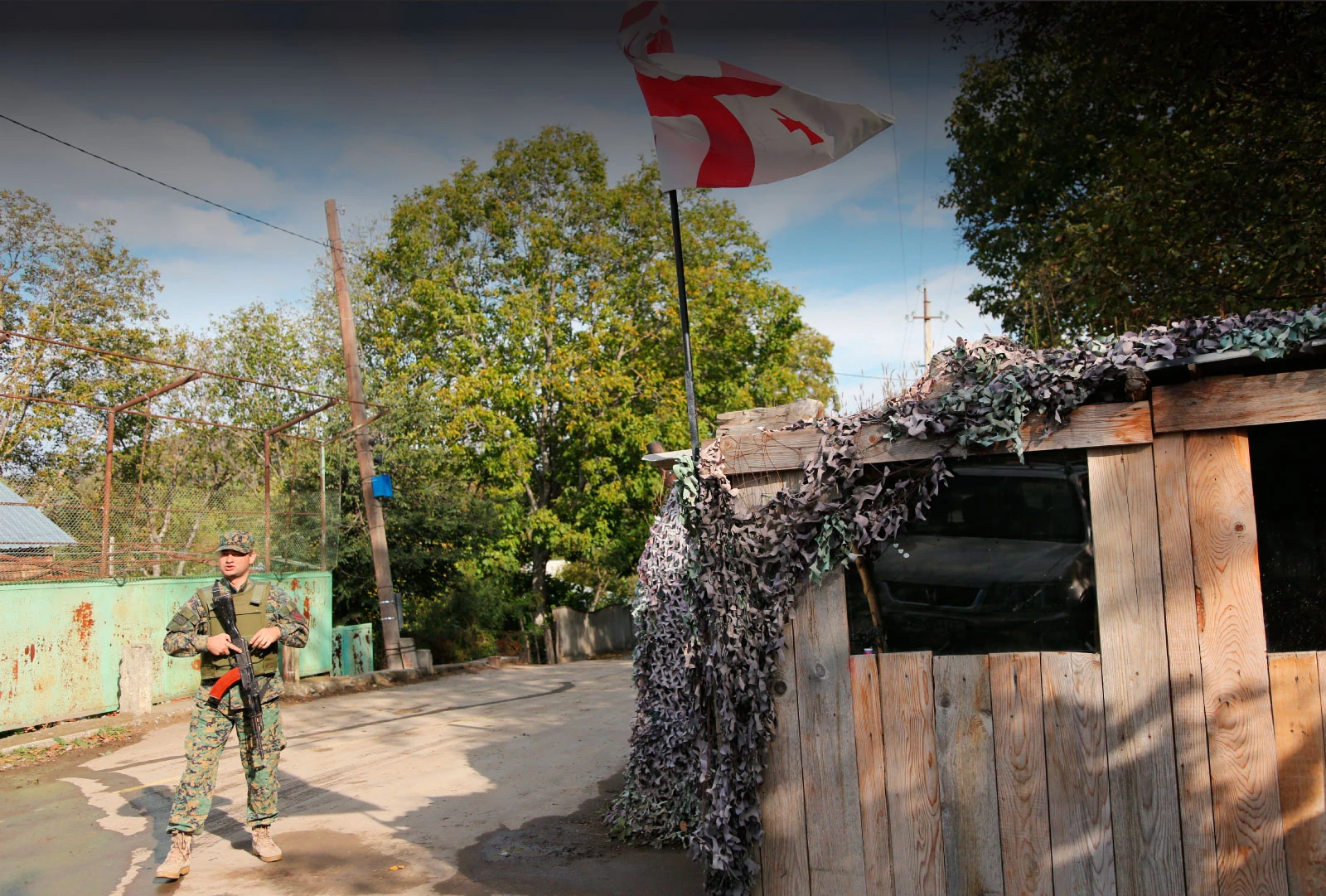
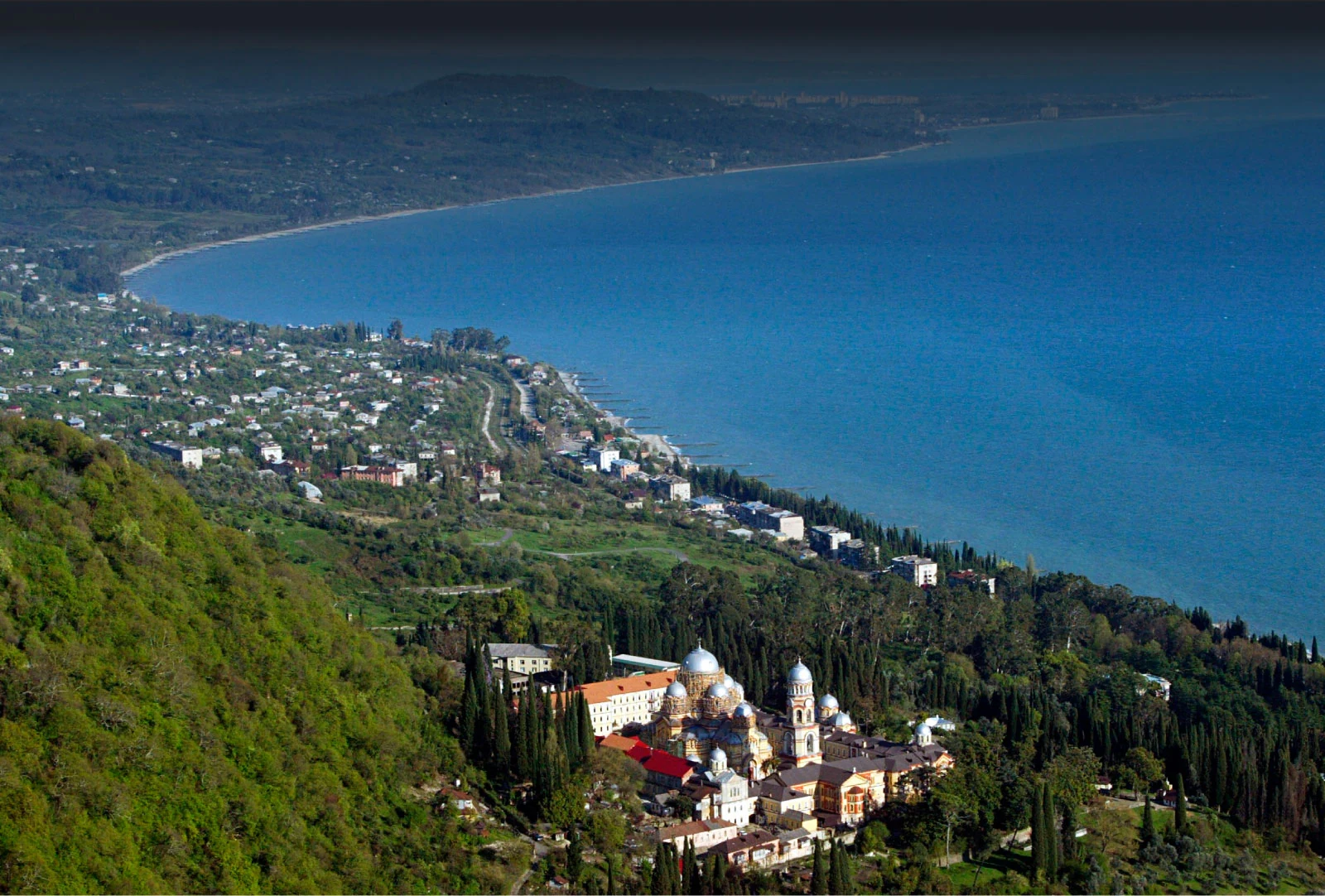
Georgia, which declared its independence from the collapsing U.S.S.R. in 1991, is not a Muslim country, but its conflicts with Russia over two disputed regions, Abkhazia and South Ossetia, contribute to the area’s instability. Within walking distance of Sochi’s Fisht Stadium, site of the opening ceremony, lies Abkhazia, which Russia recognizes as an independent state and props up economically but which Georgia furiously regards as part of its own territory. Russians will tell you that Sochi’s Krasnaya Polyana (Red Valley), in which Olympic skiing, jumping and sledding are taking place, is named for the color the bushes turn in the fall, but elsewhere in the Caucasus that name evokes the blood spilled there in 1864, when Russia eradicated hundreds of thousands of Circassians, one of Georgia’s many ethnic subgroups, from their tribal lands. The descendants of the victims consider it a sacrilege that the world is attending a $50 billion party on the site—and on the 150th anniversary—of a genocide.
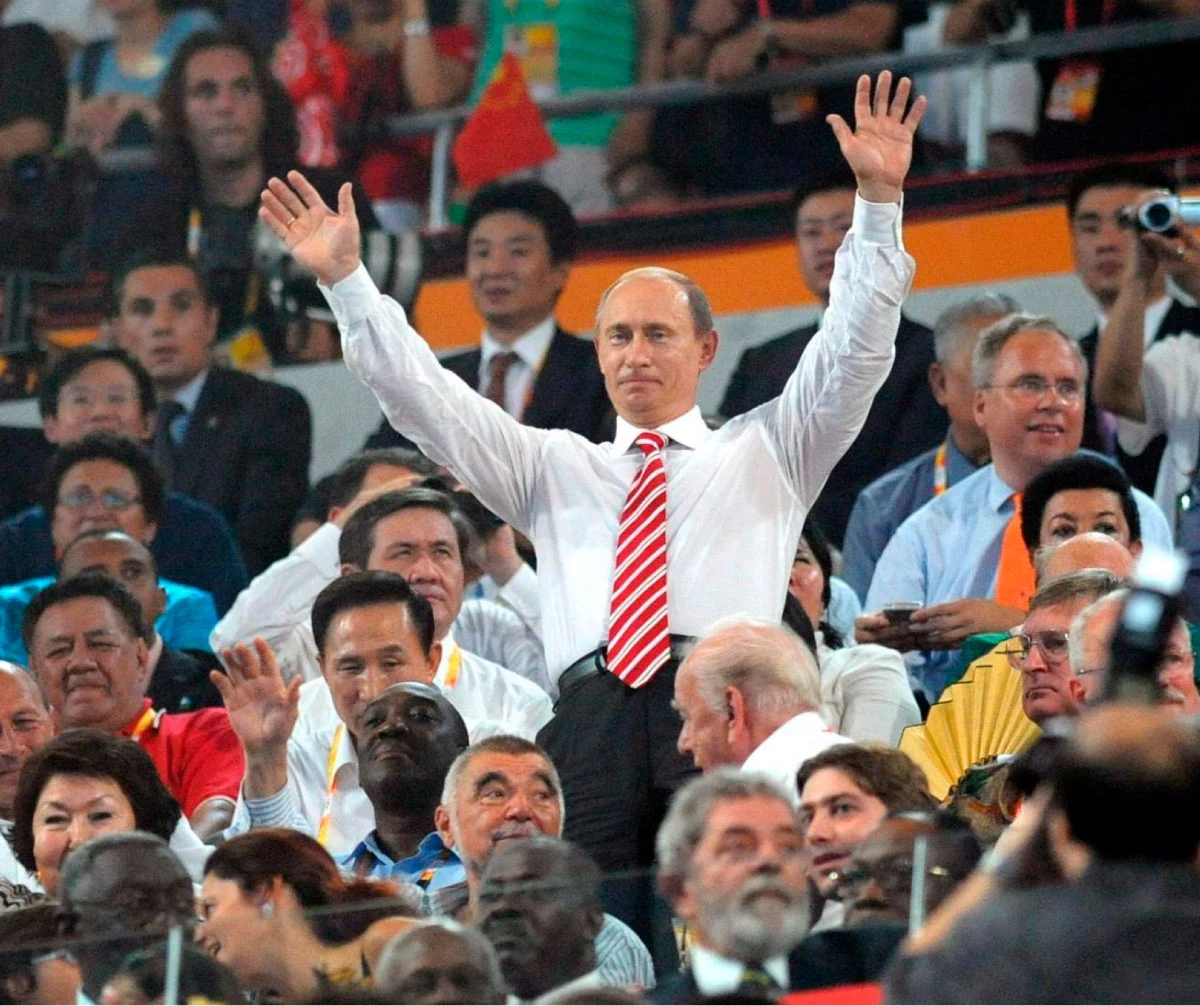
Putin—here, basking in the spotlight at the 2008 Beijing opening ceremonies, even as Russian troops were marching into South Ossetia—pushed for Sochi as 2014 Olympic host, putting his personal prestige on the line to ensure security.
John G. Mabanglo/EPA
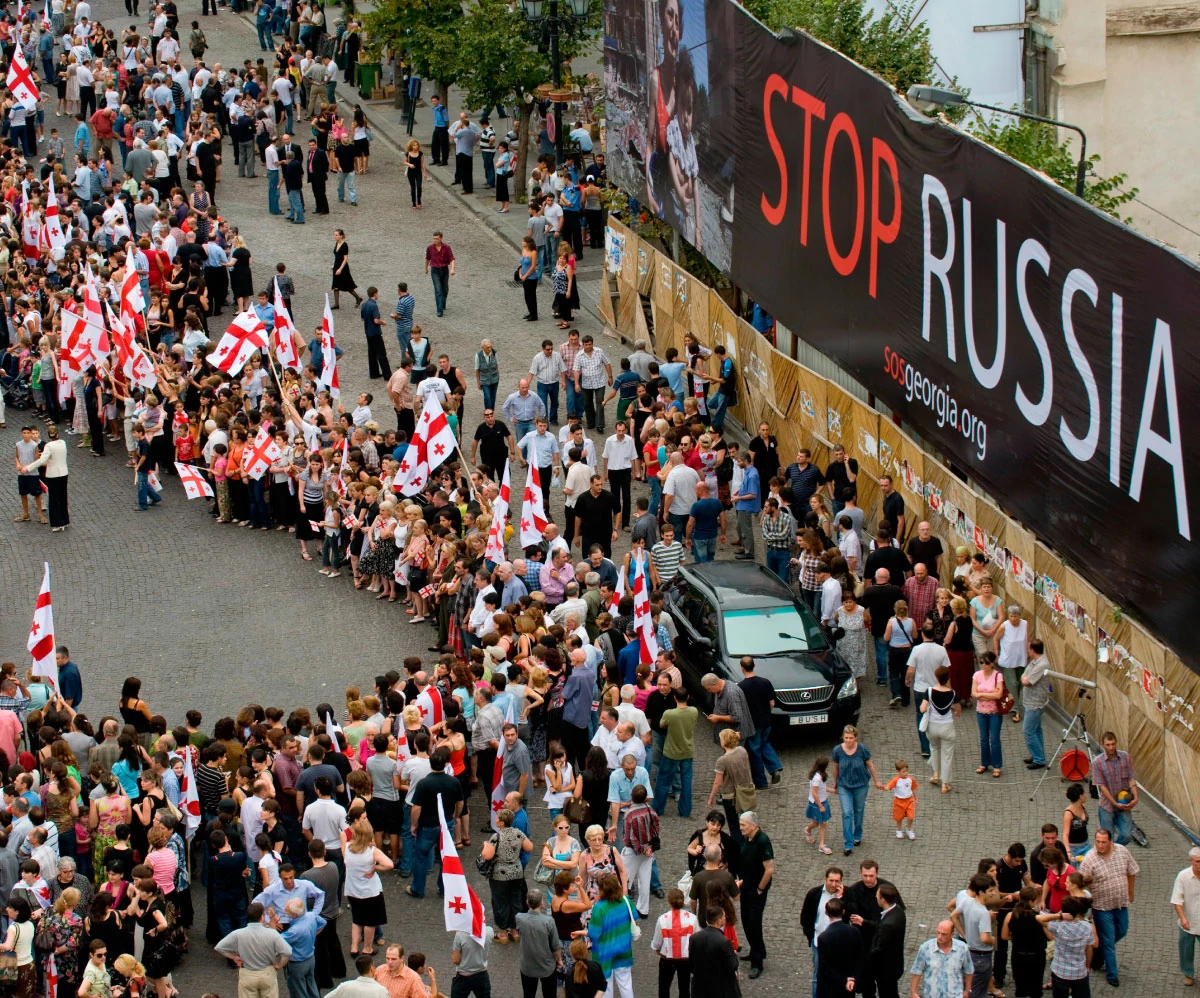
If it’s the Olympics, it seems, it’s time for the Georgian people to bury their dead. Nodar Kumaritashvili was only one of them. In August 1992, several weeks after the opening of the Barcelona Games, war broke out in Abkhazia between Georgians and Abkhaz separatists. The conflict would last more than 13 months and cause the deaths of as many as 20,000 civilians, most of them Georgians. In August 2004, during the first week of the Athens Olympics, dozens died in fighting in South Ossetia, the breakaway region of north-central Georgia. Four years later, as Russian prime minister Vladimir Putin attended the opening ceremony of the Beijing Olympics, Russian troops entered South Ossetia after fighting broke out between local separatists and Georgian troops. Russian forces then moved farther into Georgia and bombed targets up to the outskirts of Tbilisi, the capital. Today a shaky peace prevails between the two countries, but it’s a Pax Russica, with Moscow recognizing the independence of Abkhazia and South Ossetia but essentially controlling both territories.
Today a shaky peace prevails between Georgia and Russia, but it’s a Pax Russica. Georgia nearly boycotted these Winter Games.
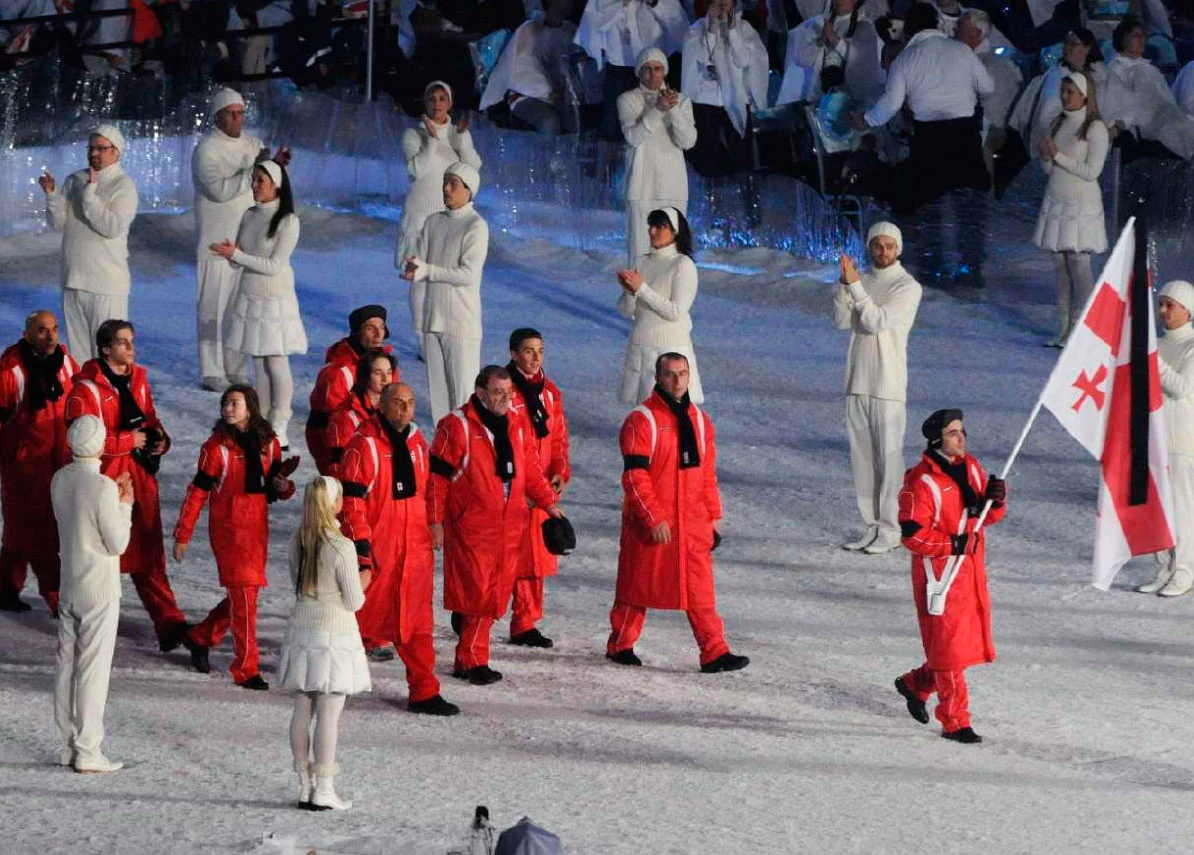
The implications of all this are a constant preoccupation of the GNOC staff at 11 Machabeli Street. By virtue of its proximity to Sochi, Georgia is practically a cohost of these Olympics. The Imeretinskaya Valley, home to the coastal cluster of Olympic venues, has a name as Georgian as Sochi, and from the 11th to the 19th centuries the Kingdom of Georgia included the entire Sochi region. Yet Georgia nearly boycotted these Games. Last fall Russian organizers outraged Georgians by loading Abkhazia and South Ossetia into a credentialing database as independent entities.
There was satisfaction in the GNOC’s corridors on the October day I visited. The International Olympic Committee had just sent a letter stipulating that the Georgian committee is the only entity it recognizes in Abkhazia and South Ossetia. But as I discovered on a journey through Georgia, 11 Machabeli Street isn’t the only place in the country to come with a poignant backstory. And behind every address you’re likely to find Russia, or tragedy, or both.