 expand

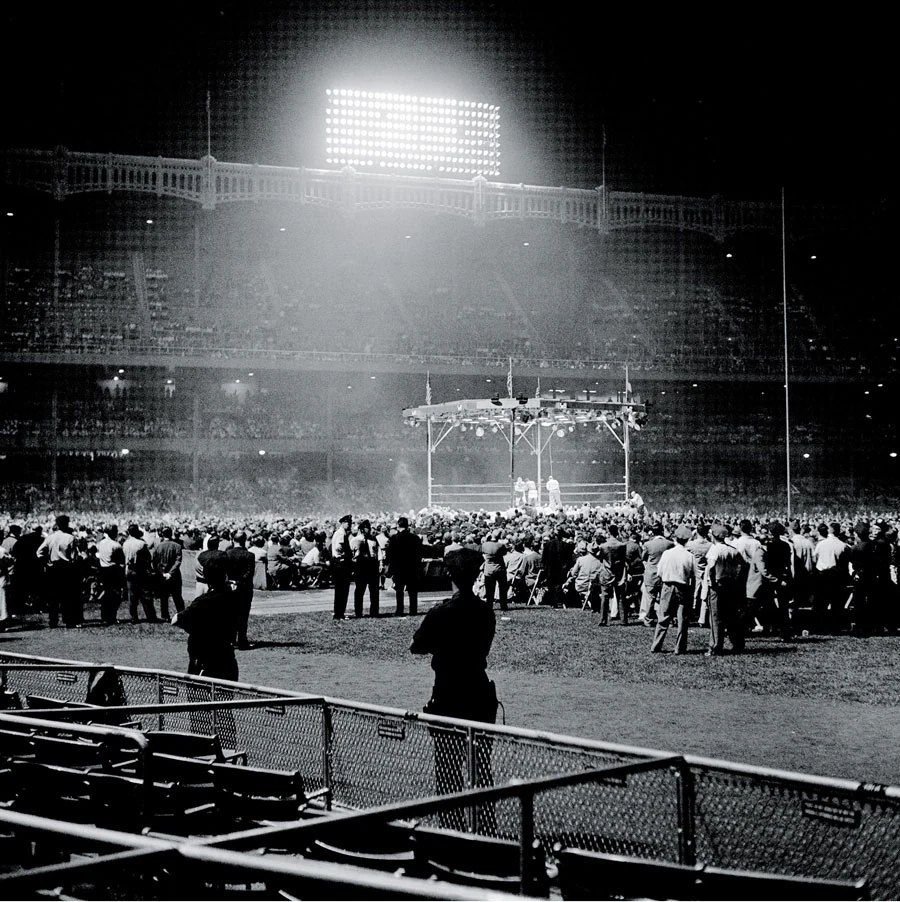
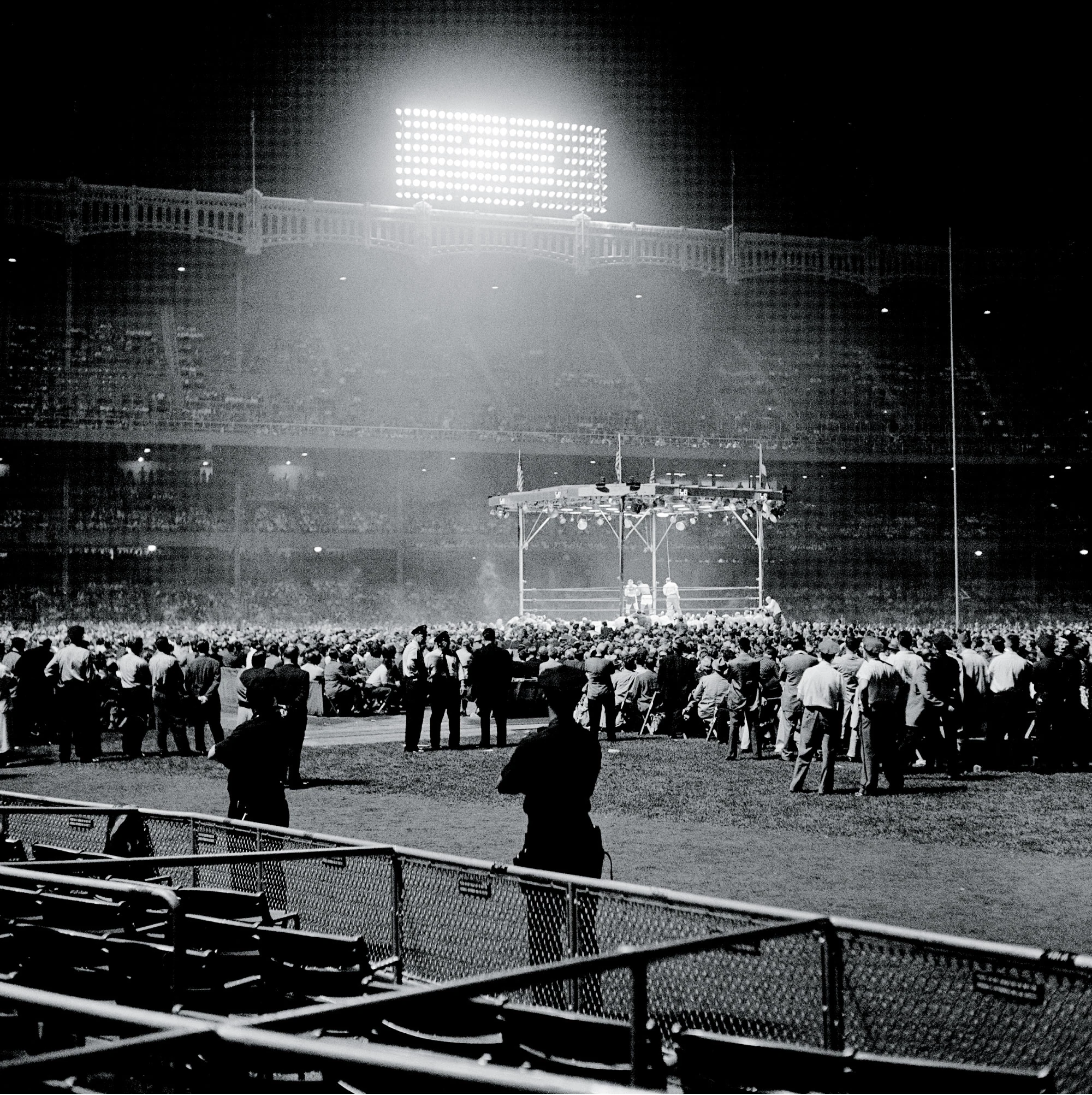
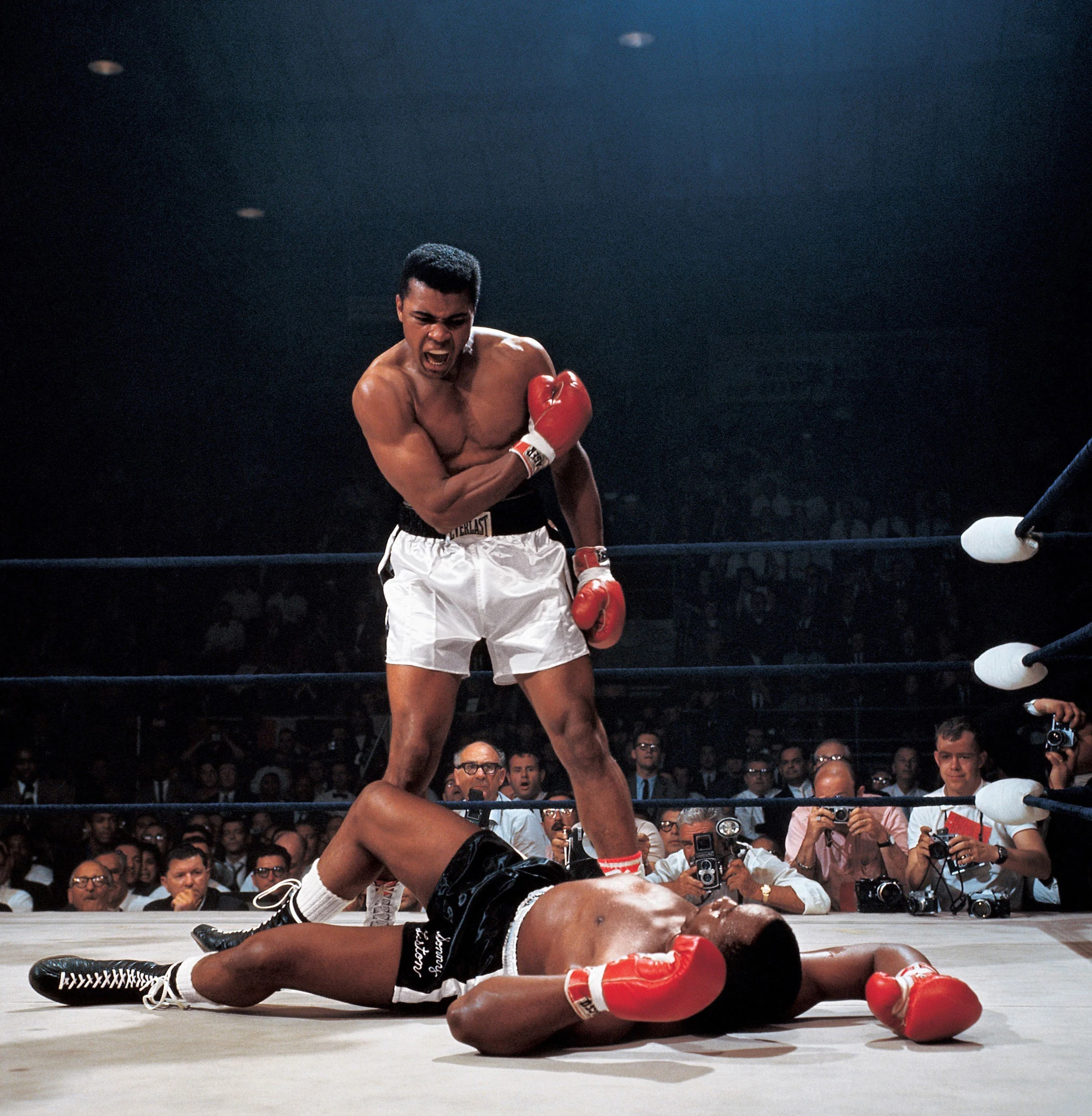
- “Well my friend and I could scrape together five dollars each. And we went to the fight. And the picture that I took, I’m crazy about. I mean, it’s the kind of picture I would never have taken once I started working for the magazine because I wanted to be closer. I wanted to be on the apron, right up there with the fighters. ... This was sort of almost a gift by not having a credential, not being able to get into a good photo spot, that I took a picture that I wouldn’t have taken otherwise.”
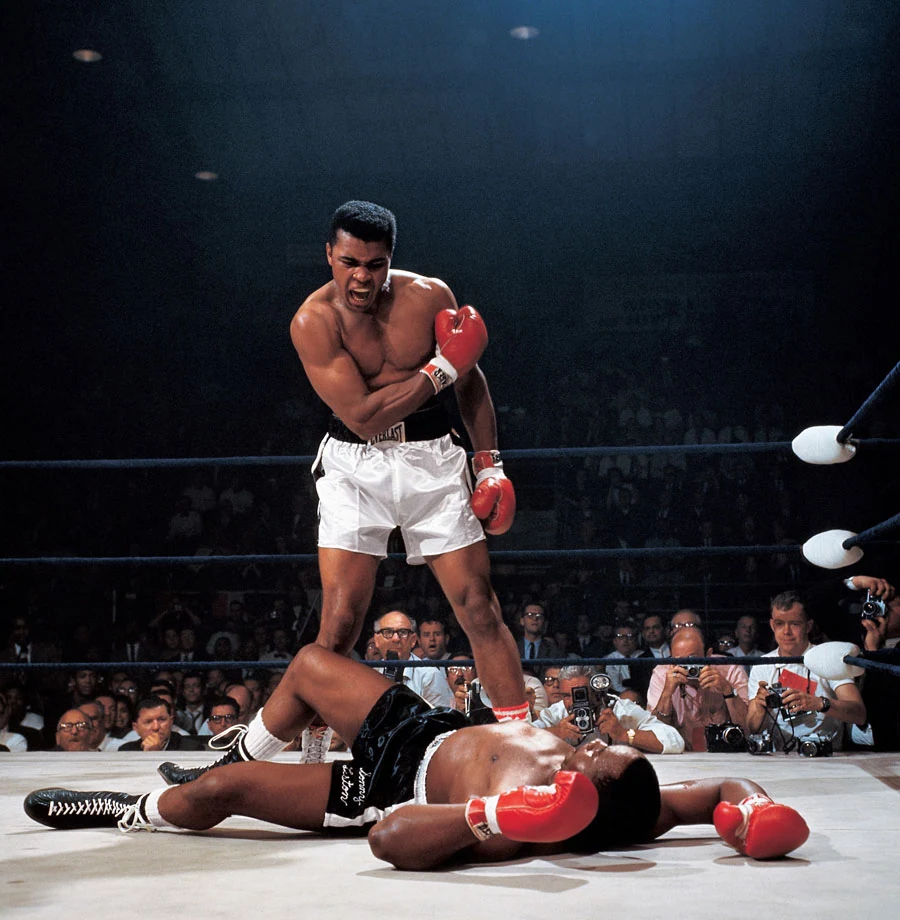
In this corner of the ring -- in fact, in every corner of the ring -- stands Neil Leifer. The undisputed champ of boxing photography, Leifer has delivered some of the sport’s most iconic and memorable images in Sports Illustrated’s 60-year history, none more so than Ali posed over Liston. Like a skilled practitioner in the ring, Leifer brings a variety of skills to bear, adjusting his plan on the fly. Some of his handiwork is predicated on power and force. Other times, he relies on instinct and imagination and subtle nuance, finding openings that only he sees.
Here, in the first of a series of Sports Illustrated Photo Legends longform presentations, Leifer reveals -- in his own words and via video -- the behind-the-scenes effort it took to attain some of the seminal photos in boxing history.
First title bout1959
expand
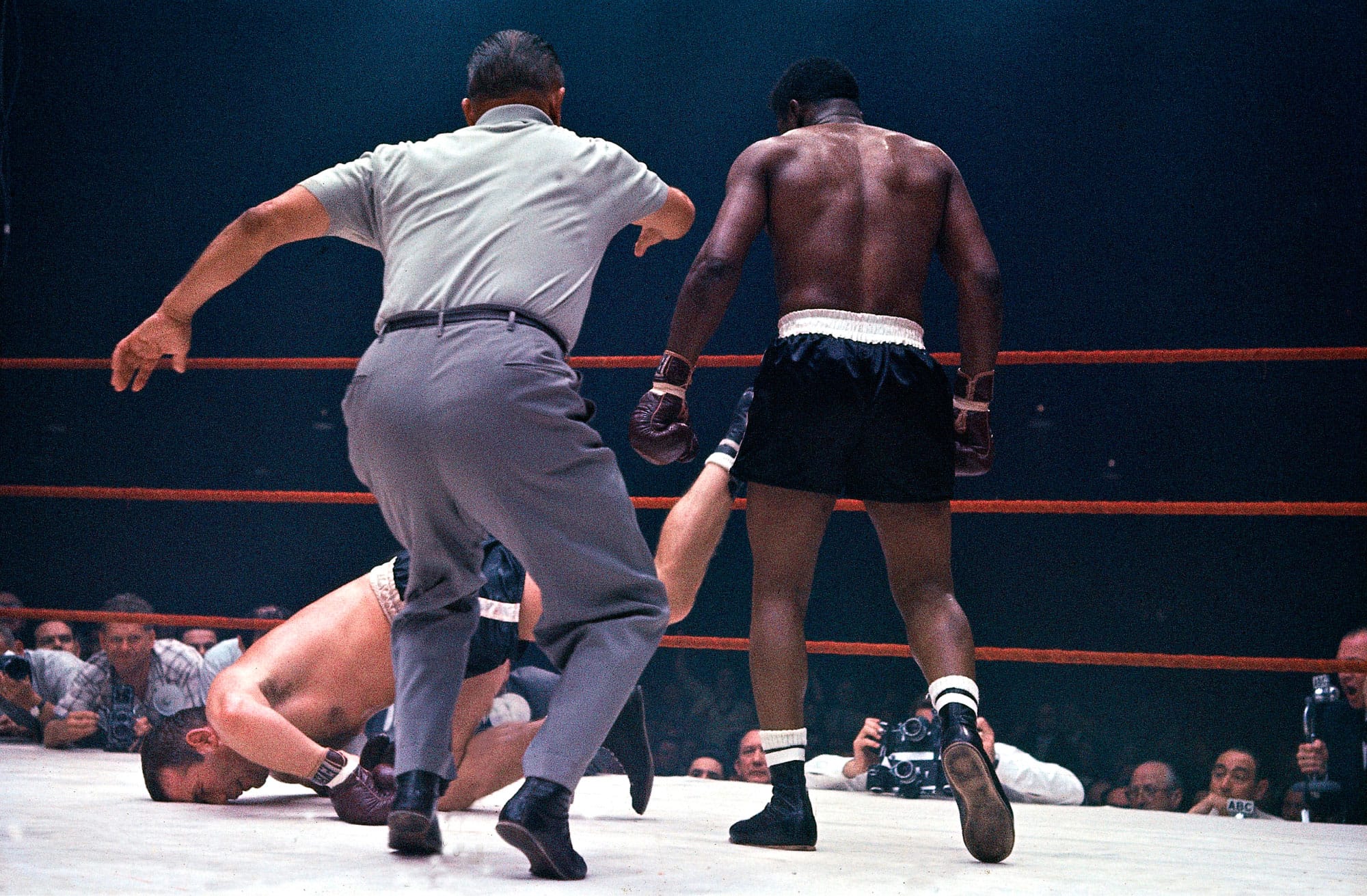
After losing his heavyweight title to Sweden’s Ingemar Johansson on a third-round KO in 1959, Floyd Patterson became the first man to regain the crown when he flattened Johansson a year later. Their third fight, held on March 13, 1961 at Miami Beach’s Convention Hall, was a sloppy brawl that ended when Patterson put Ingo down face-first, here, in Round 6. Leifer caught the moment as referee Bill Regan jumped in.

expand
Fans in the stands taunted Muhammad Ali (then known as Cassius Clay) after he won a March 1963 fight with a 10-round decision over Doug Jones at Madison Square Garden.
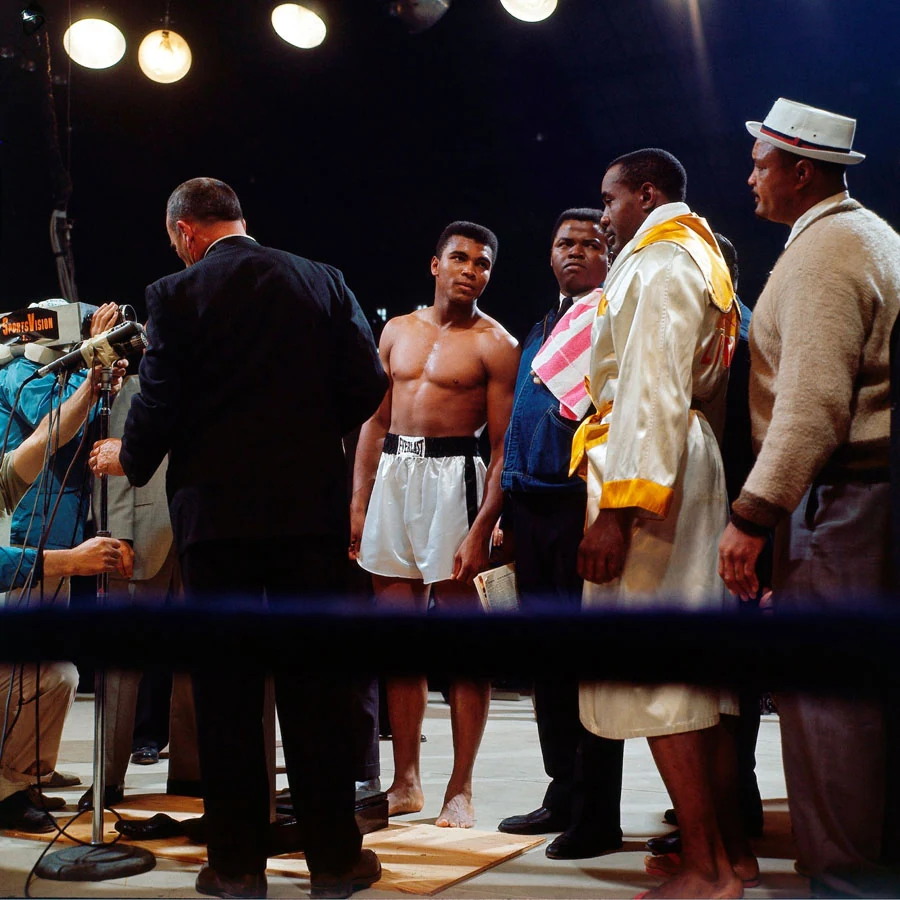
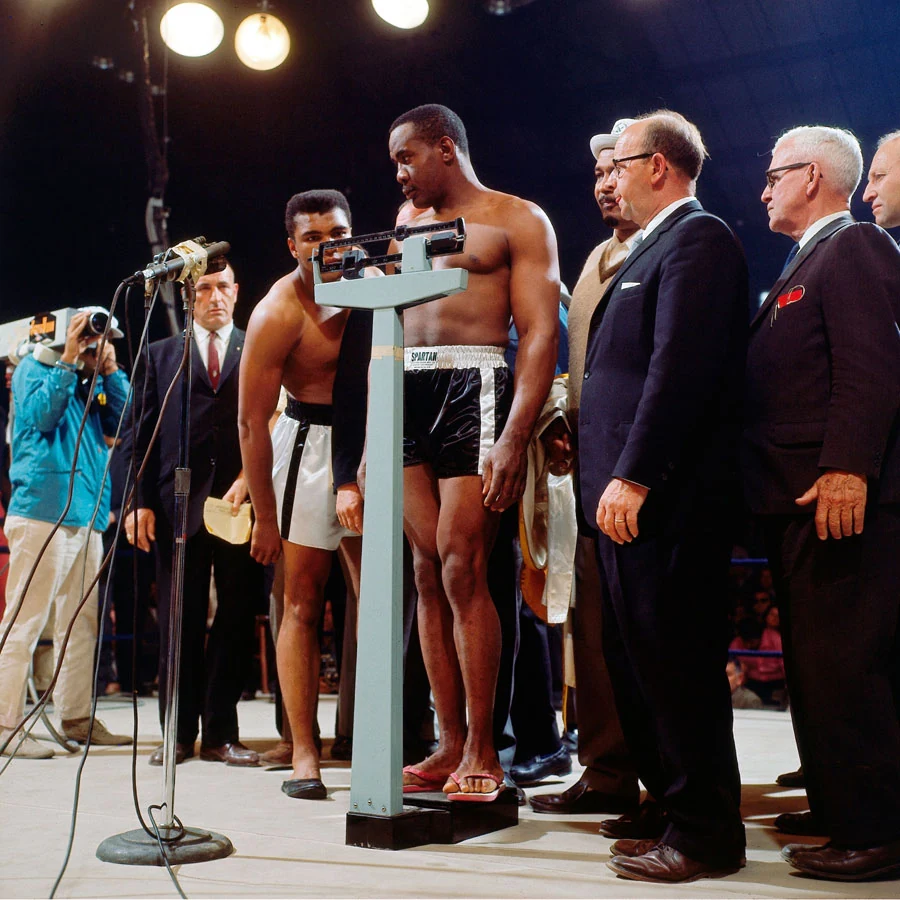
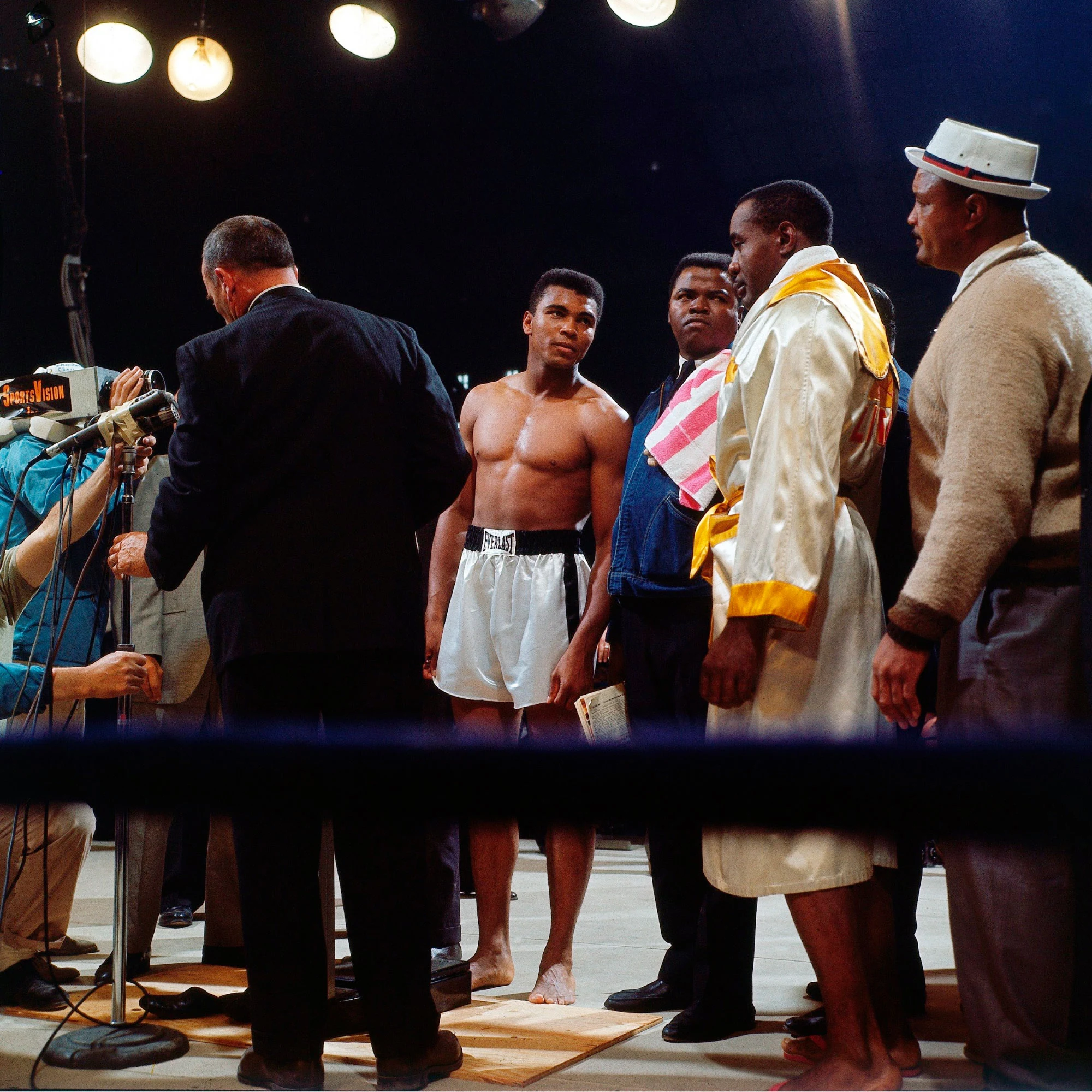
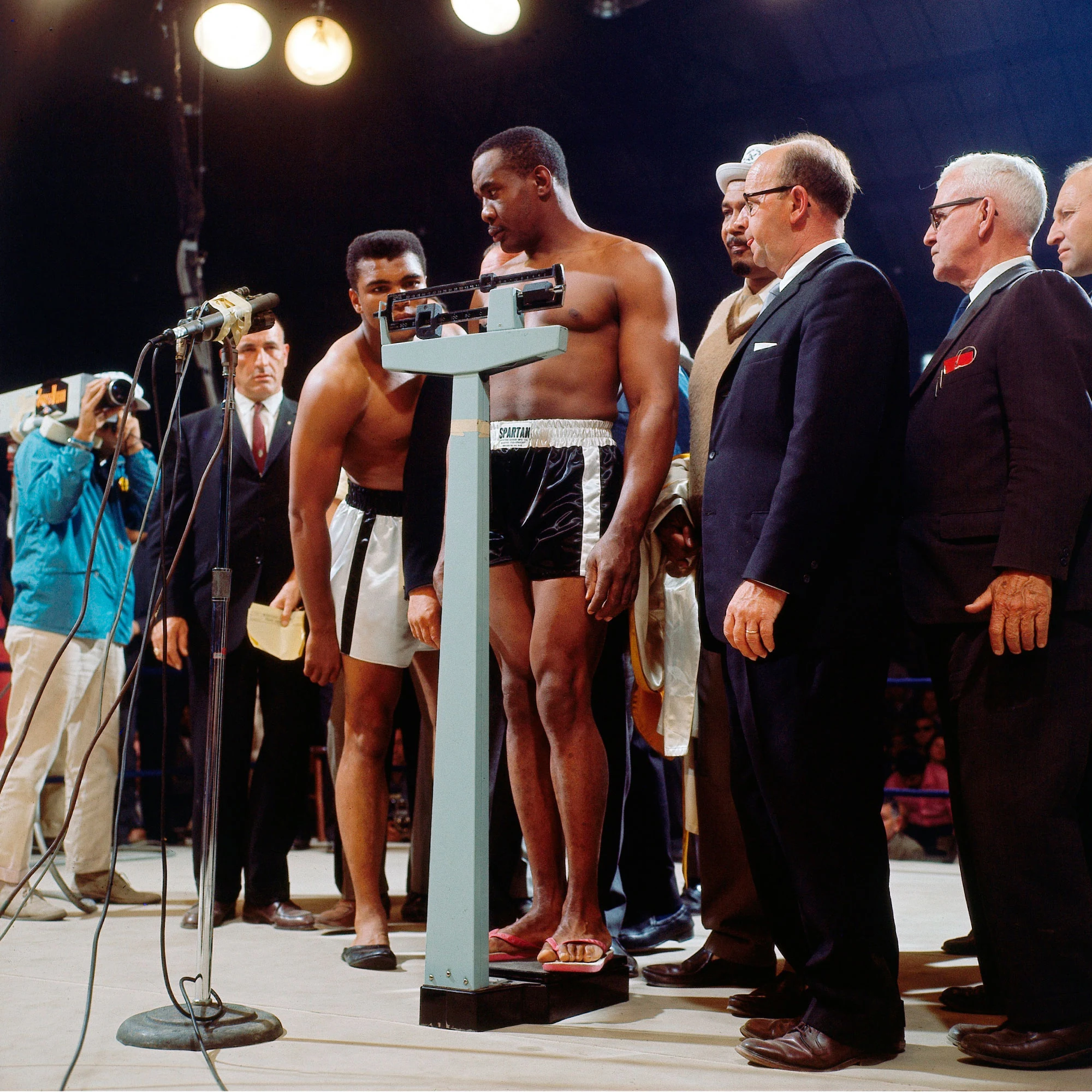
Ali vs. Liston weigh-in1965
 expand
- “I used to love photographing Ali at the weigh-in. He was really funny and he always created a number of good picture possibilities. The Ali-Liston weigh-in in Lewiston, Maine, was no exception. I mean, I love the picture of him glaring over at Sonny Liston. Sonny Liston had no idea what to make of this character. There had been no one like him before so it’s easy to understand why.”
 expand
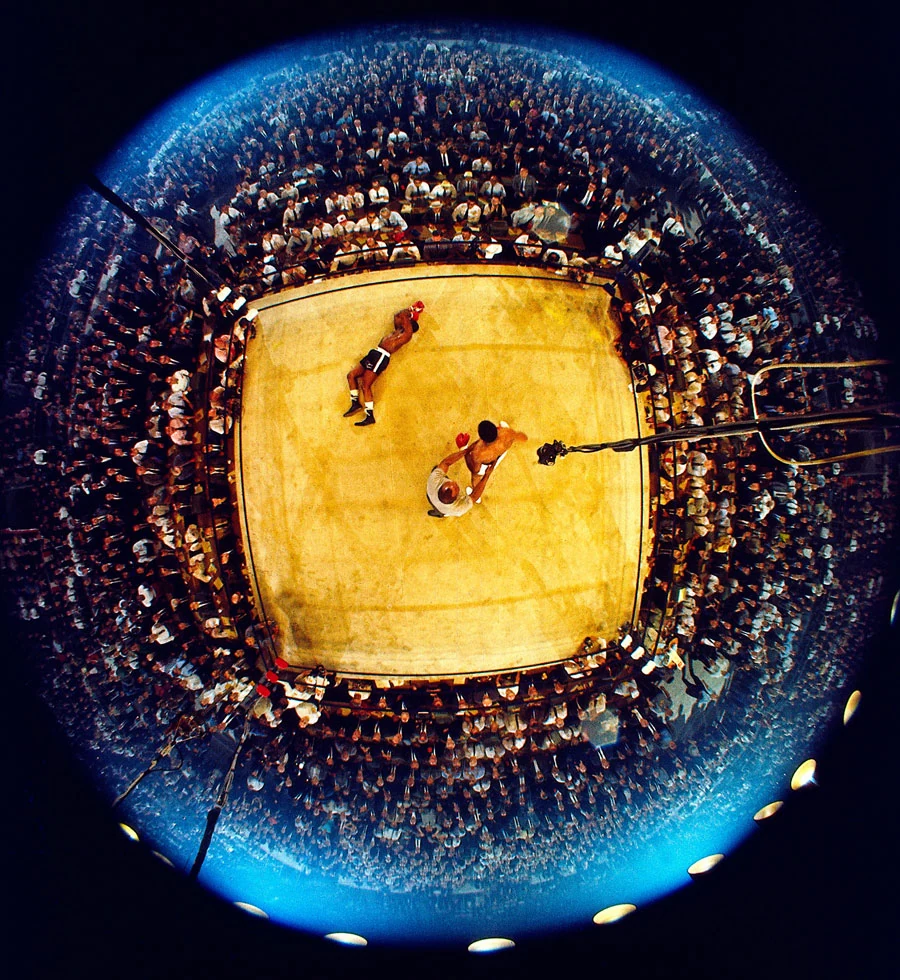
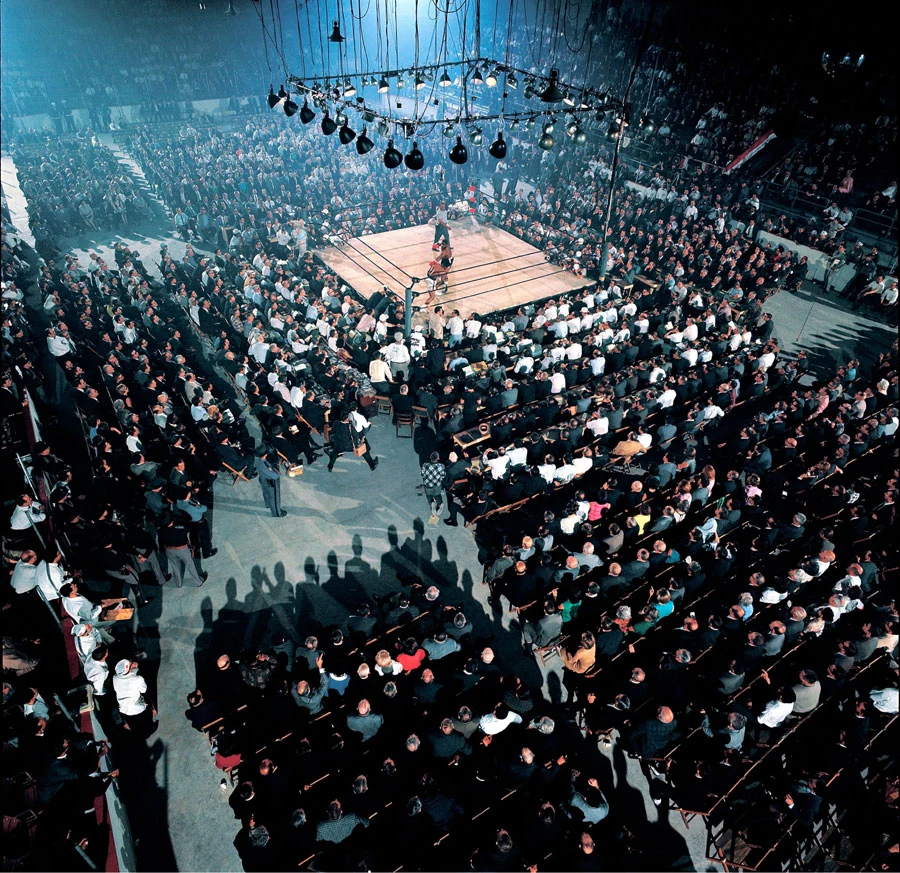
Ali vs. Liston: Two minutes, three iconic images
1965
 expand
 expand
- “The Ali-Liston fight in Lewiston, Maine, I will never have a night like that, ever. The fight went two minutes and eight seconds. Well, I got three great pictures. I got the fisheye picture -- the knockout -- and I got, obviously, my picture of Ali standing over Liston, and I got this third picture, which is one of a kind really. It’s the entire arena probably just before the knockout happens as both fighters are still standing. ... Two minutes and eight seconds, not a bad night’s work.”
 expand
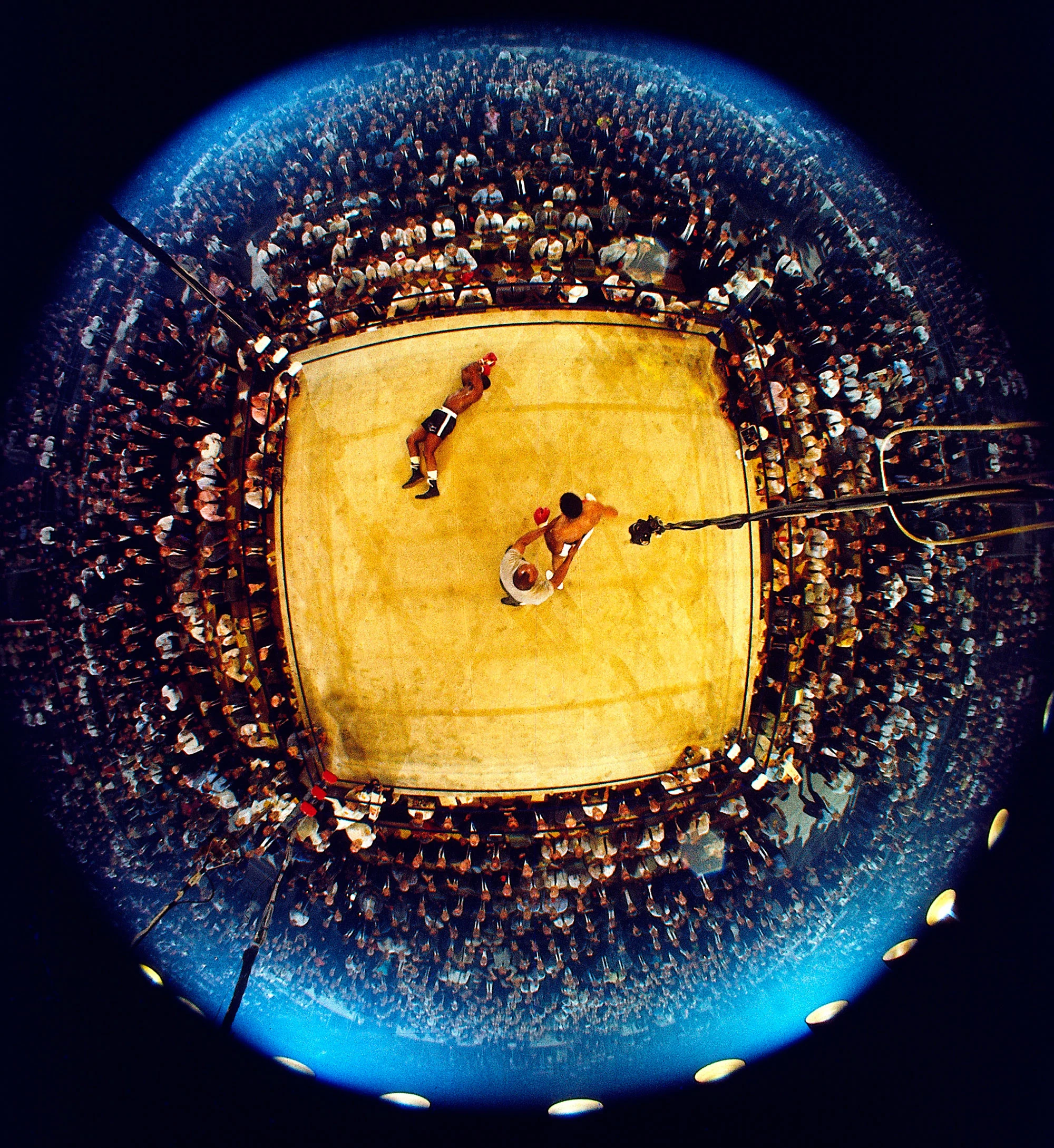

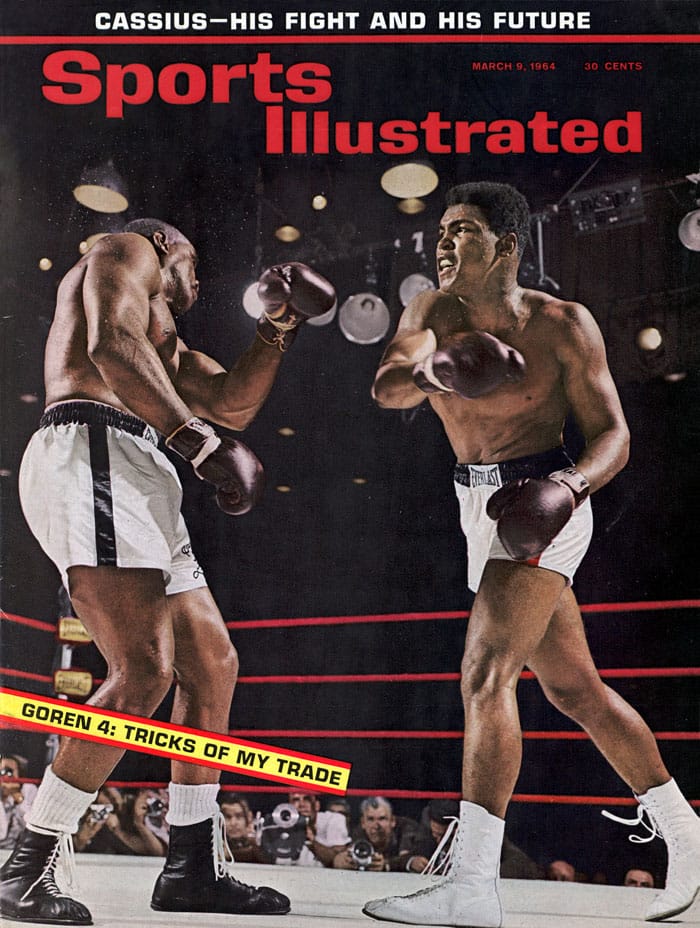
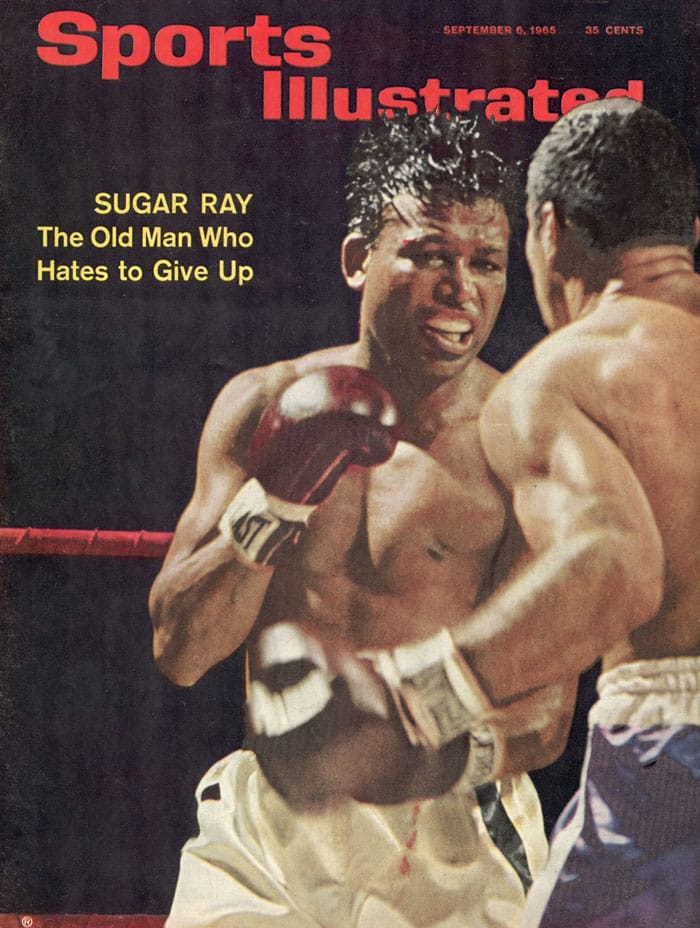
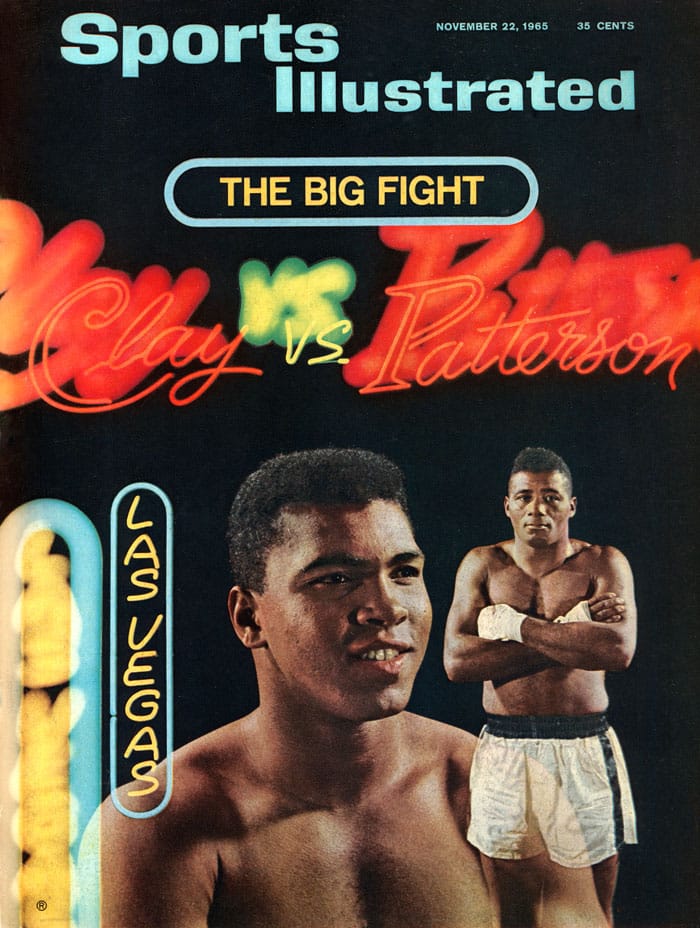
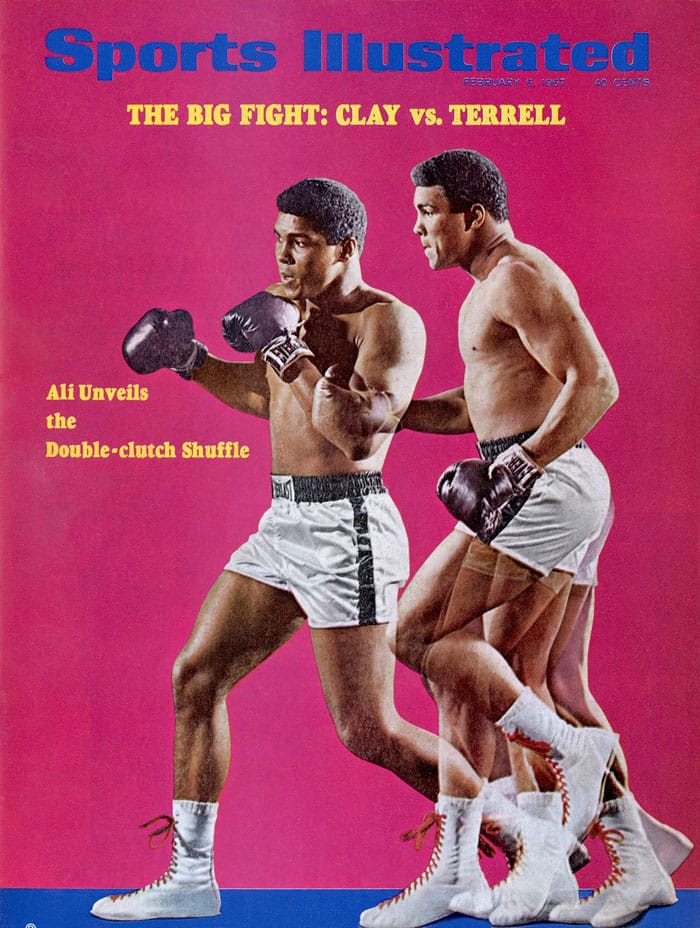

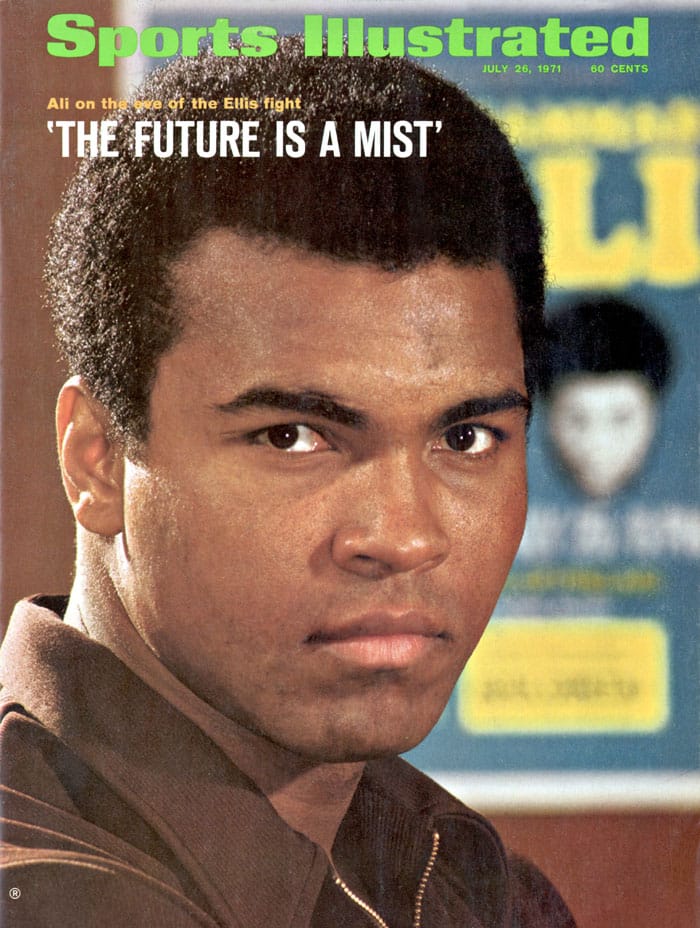
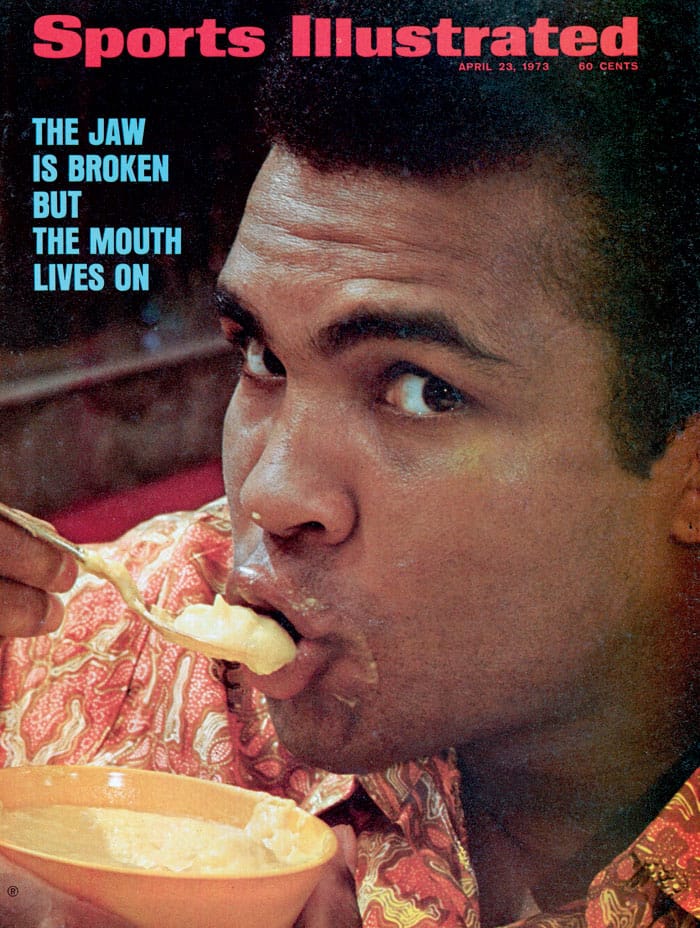
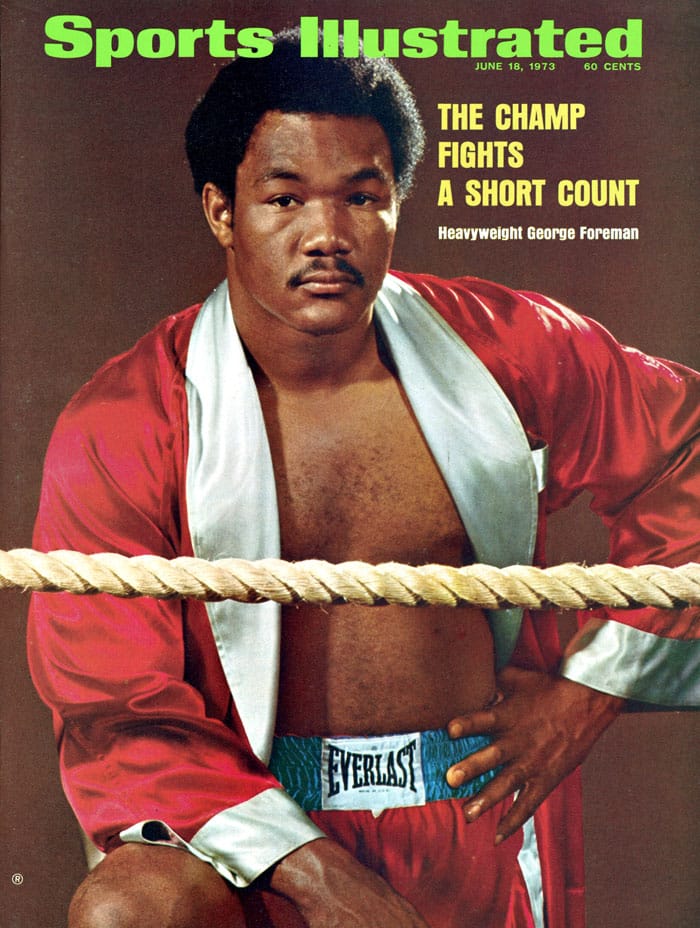
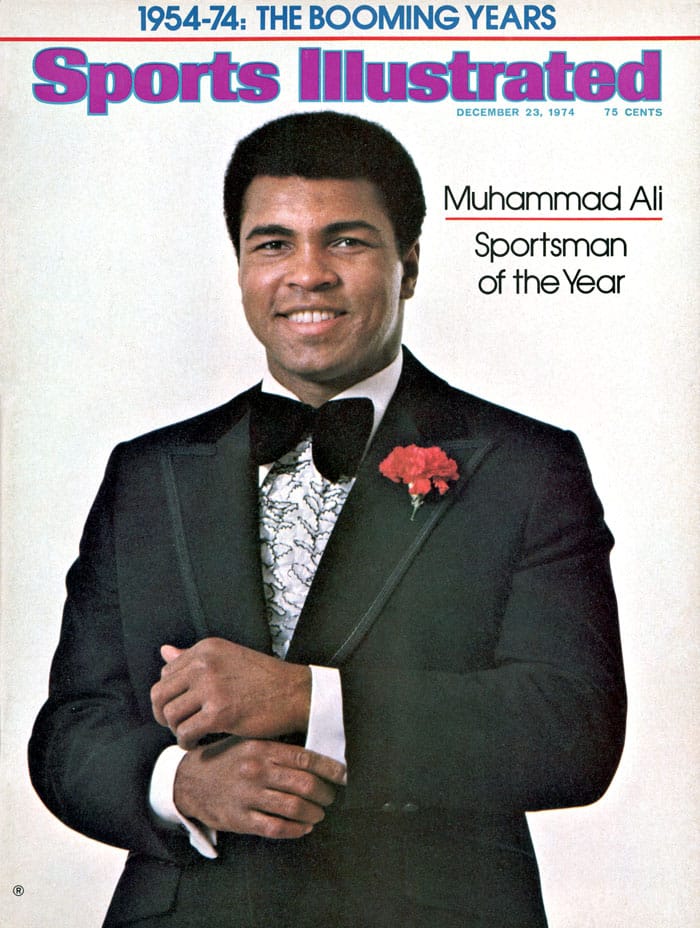
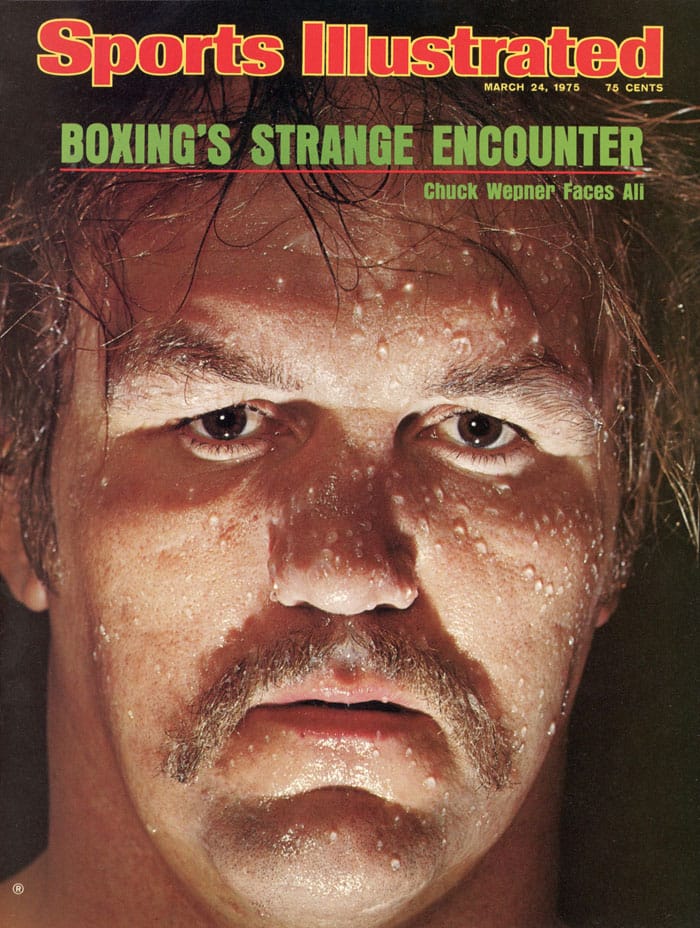


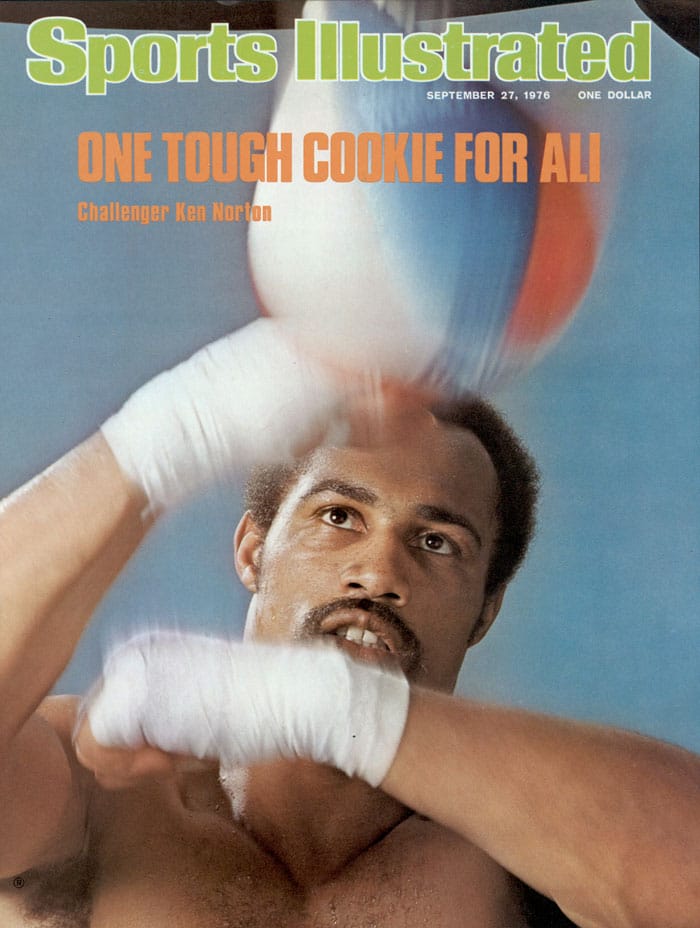
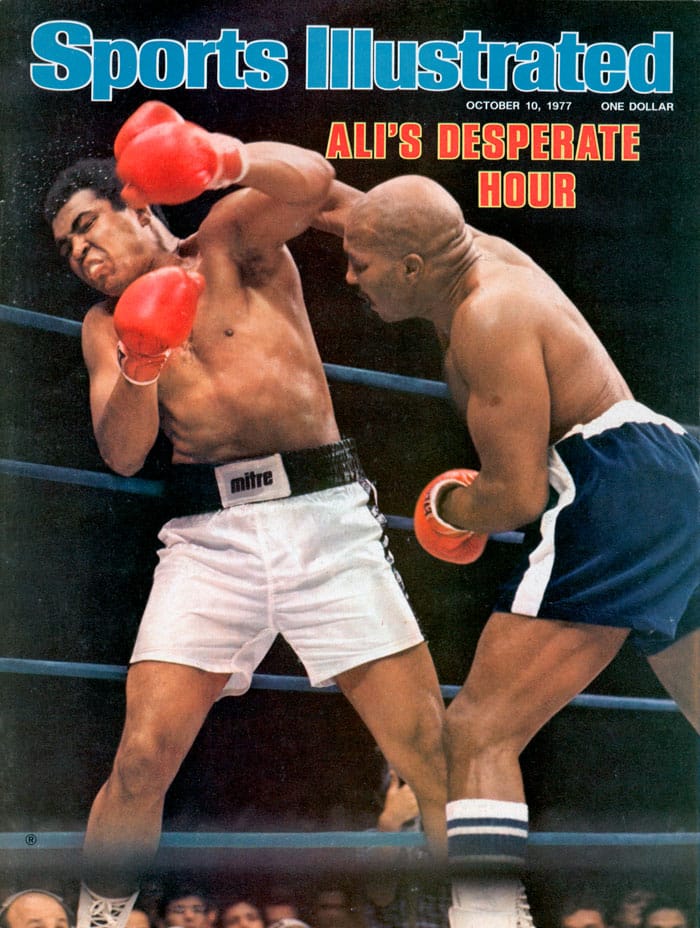
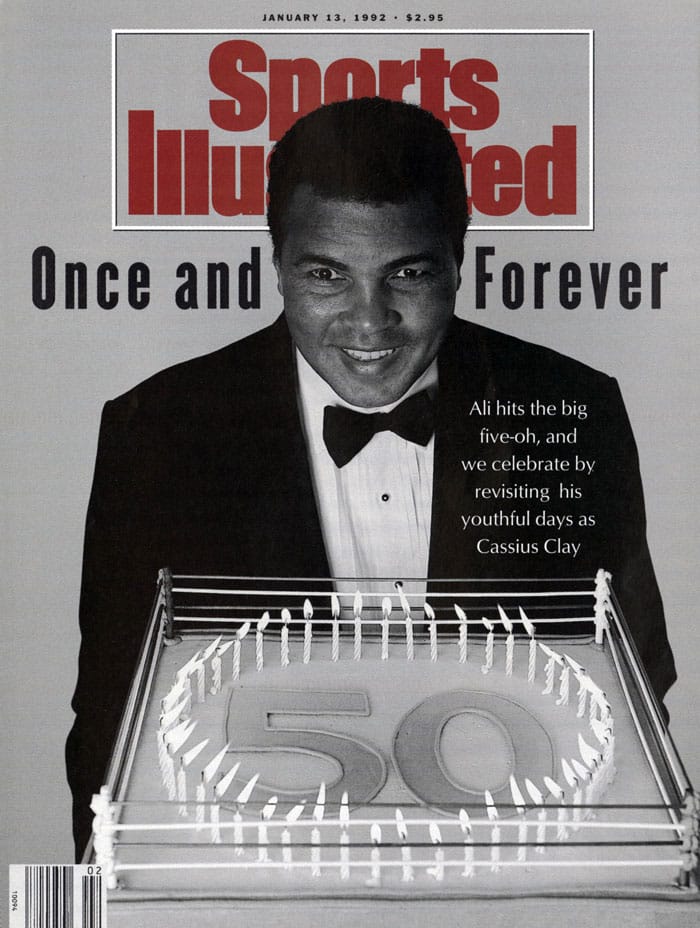
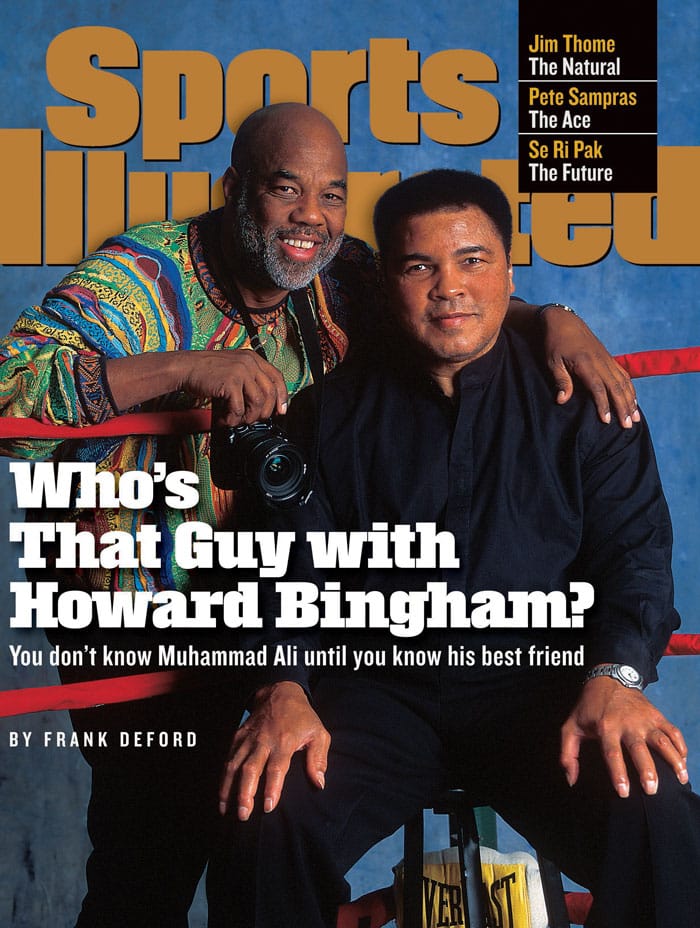
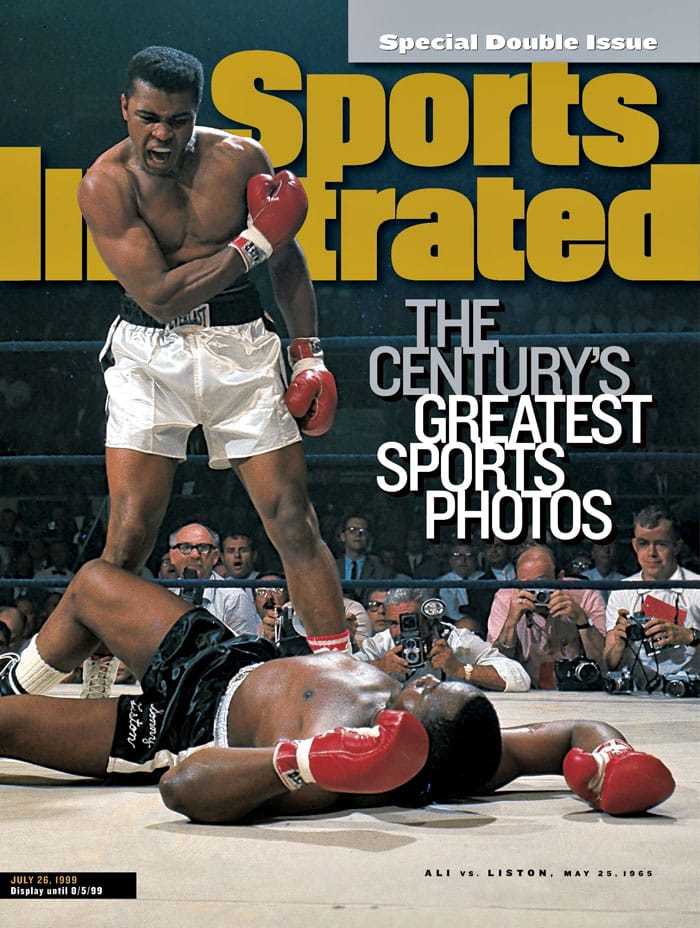
Leifer’s boxing photos have adorned many of Sports Illustrated’s cover, featuring the likes of Ali, George Foreman and Chuck Wepner.
Overhead adventure1966
- expand
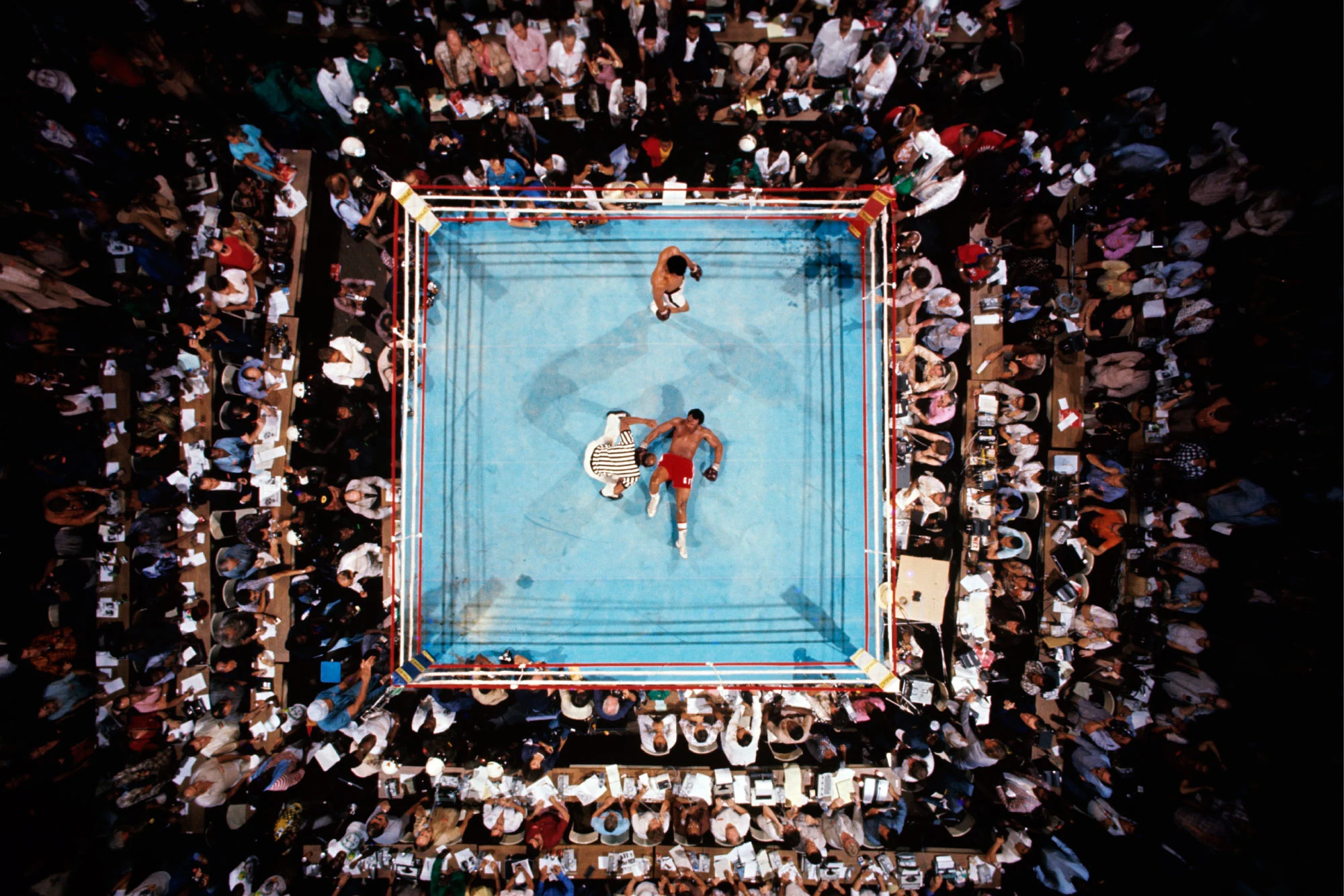
- “The most important thing about this picture is that it gave me the idea that I used even more successfully in the Houston Astrodome a year later when I took the picture of Cleveland Williams and Muhammad Ali. That’s because that arena offered the possibility of having the camera 80 feet over the ring, and because of that I was able to take what I consider to be the best picture of my entire career.”
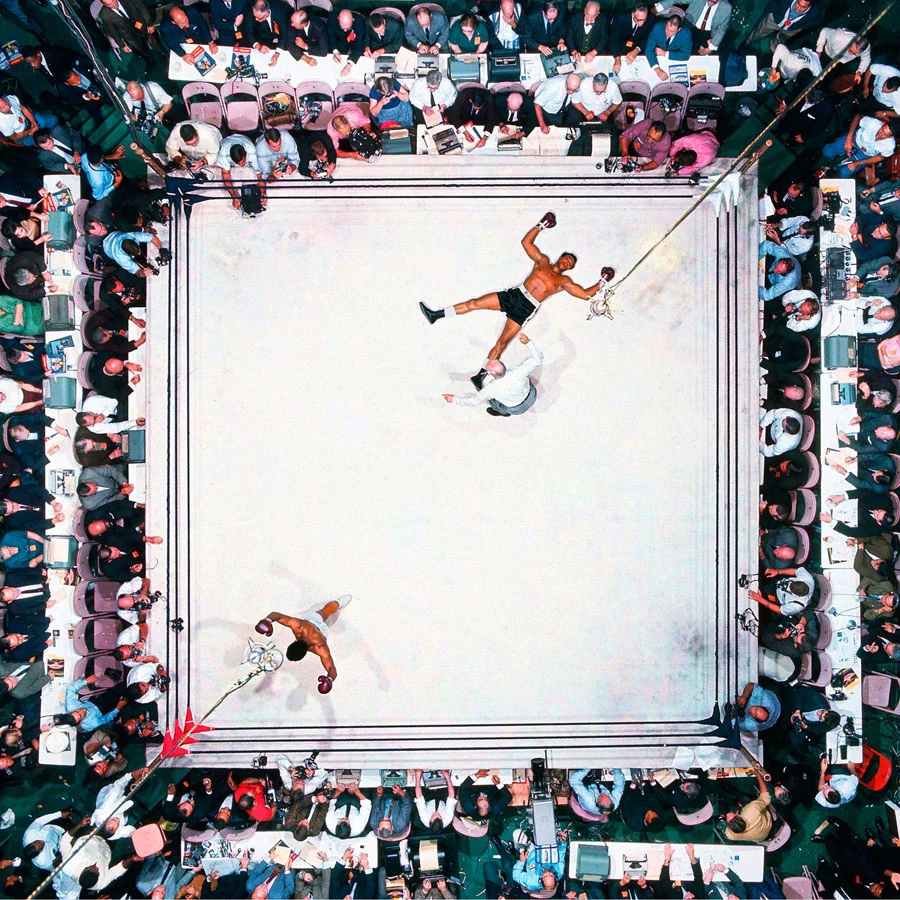 expand


expand
Leifer captured this aerial view of Dick Tiger fighting through a left by Roger Rouse in Las Vegas in November 1967.
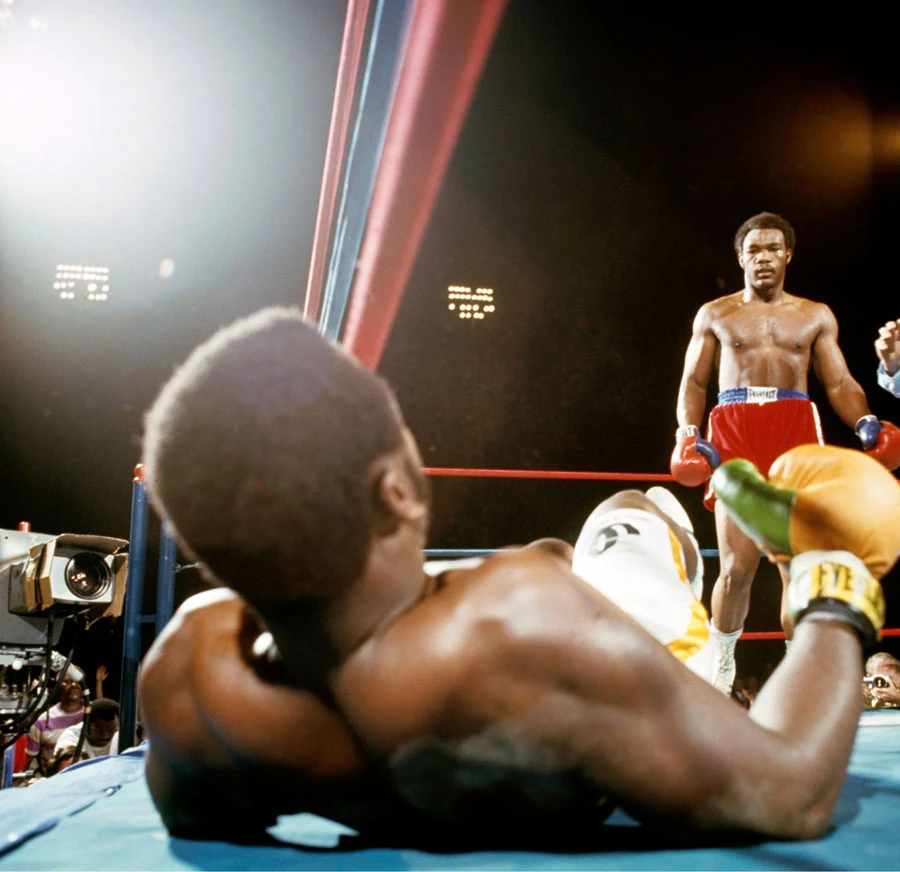
Foreman vs. Frazier 1973
 expand
- “Joe Frazier made probably the biggest mistake of his life when he agreed to fight George Foreman in Kingston, Jamaica, a year after he had beaten Ali in Madison Square Garden. Foreman knocked him down five, six, seven times and one of the knockdowns happened right in front of me. Couldn’t have been in a better spot. I knew as soon as I snapped the shutter in this one that I had a pretty good picture.”


expand
It’s not often that anyone talked over Ali, but Leifer captured this image of an evidently amped-up Sammy Davis Jr., interjecting himself into Howard Cosell’s interview of Ali after his 1973 victory over European champion Joe Bugner.
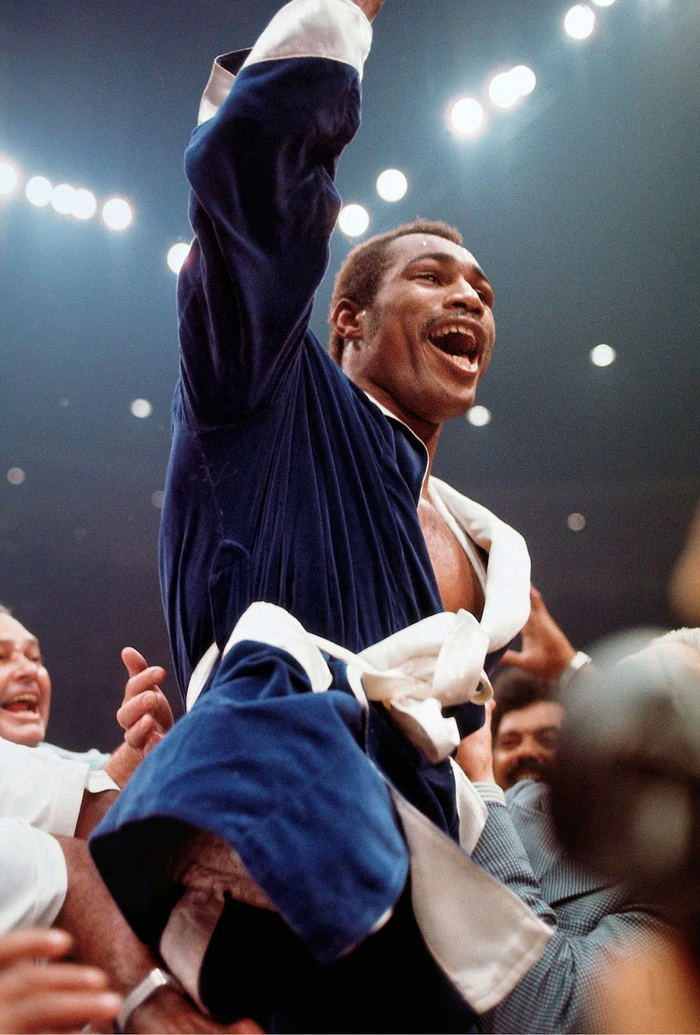
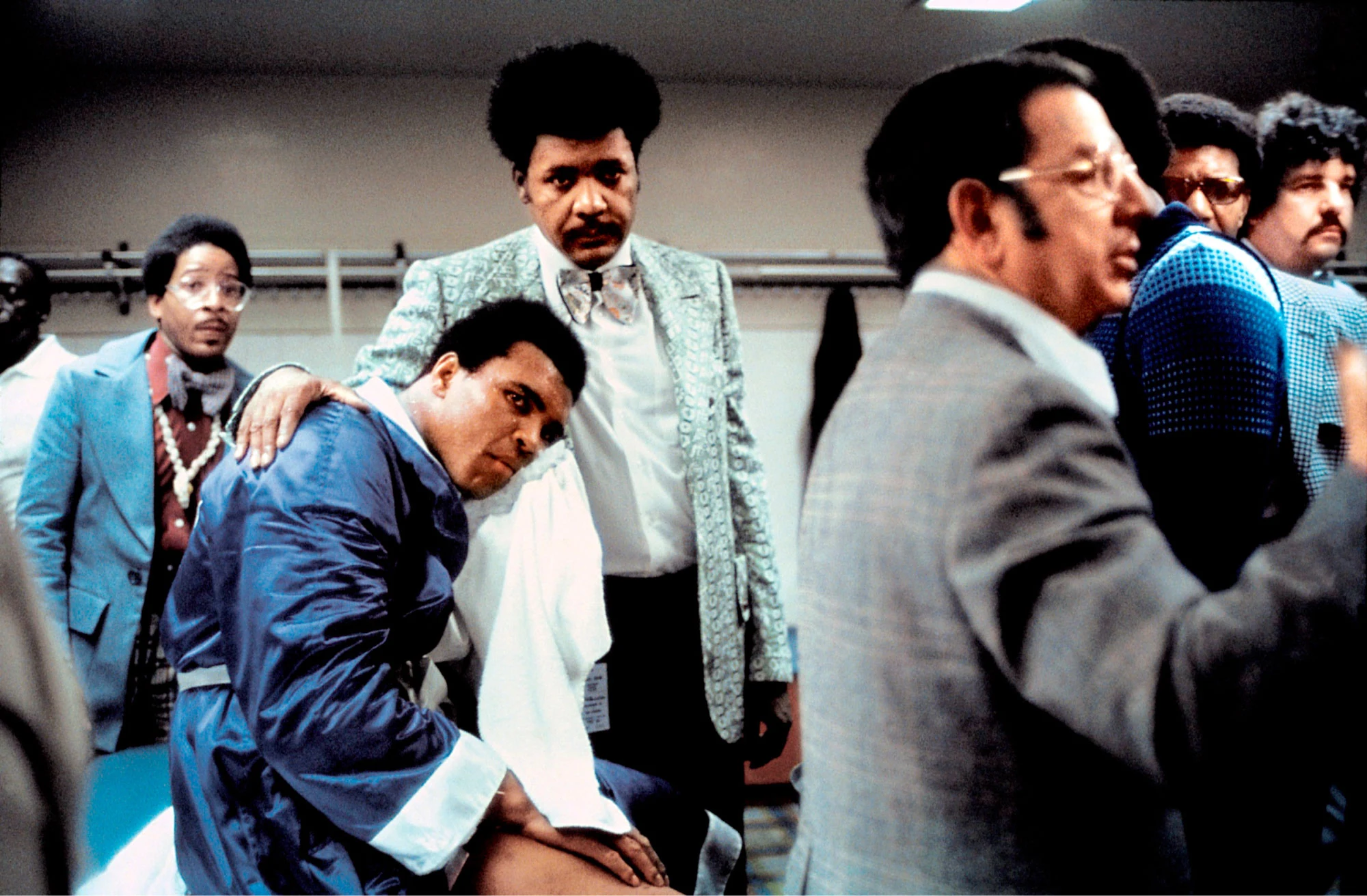
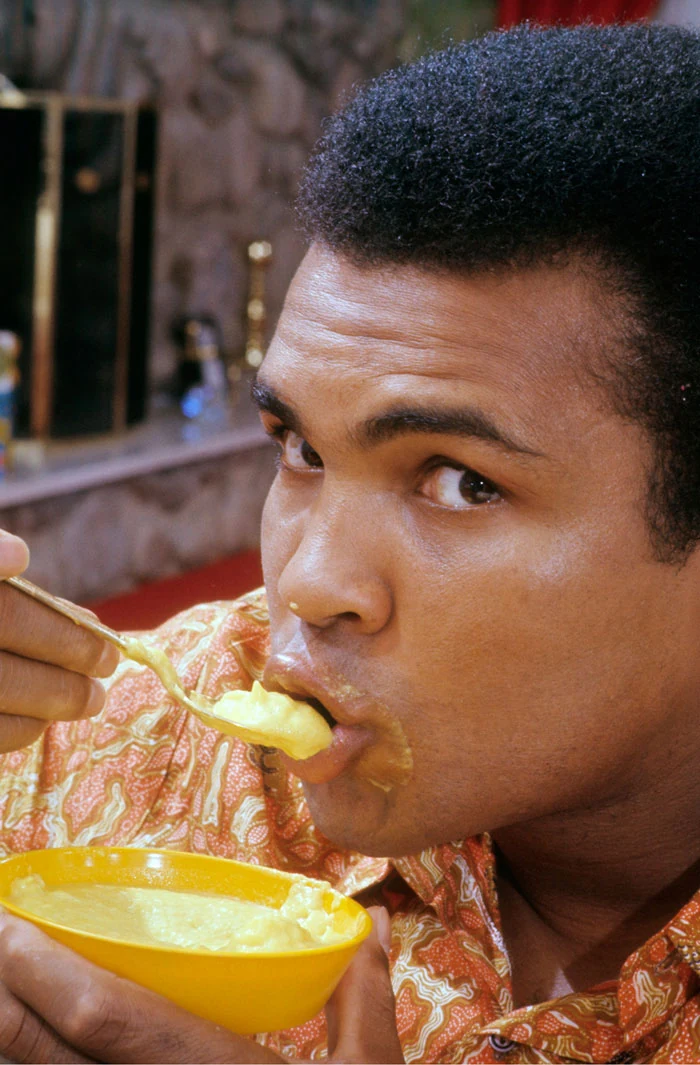
Ali vs. Norton 1973
 expand
- “I don’t know what the reasons were for Ali’s really lackluster performance against Ken Norton. Of course, the fight is best known for the fact that Ken Norton broke Muhammad Ali’s jaw early in the fight, and Ali fought the rest of the fight. He wasn’t about to quit. ... I went down to Cherry Hill, New Jersey, when Ali was recuperating, and we ran a picture of him on the cover of the magazine, and he was eating and he had a little tapioca pudding on his lip like a kid would have with ice cream, you know, and it was kind of fun.”
 expand
 expand


expand
Leifer and Ali together in the LIFE studios in New York City in 1966.

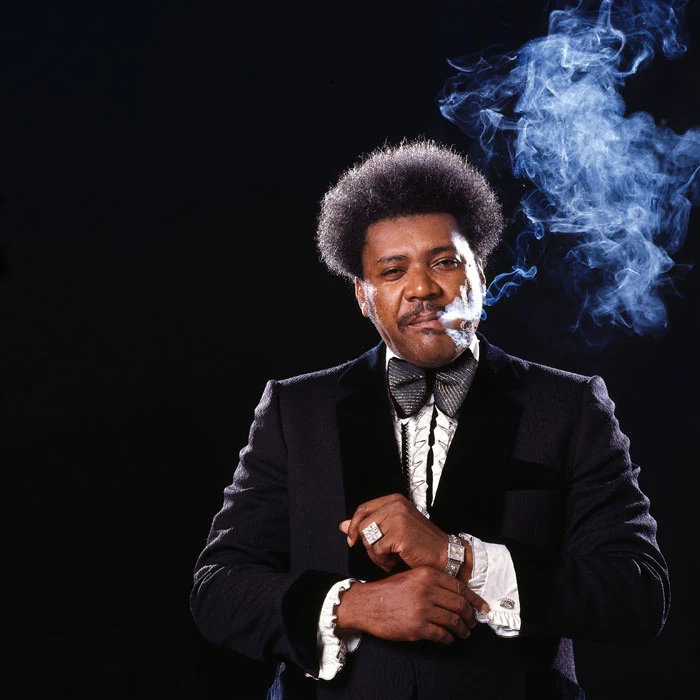

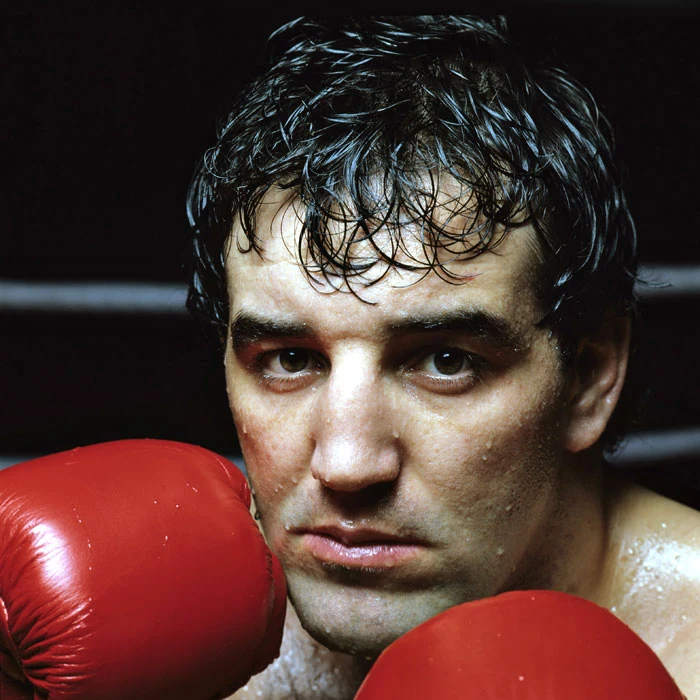

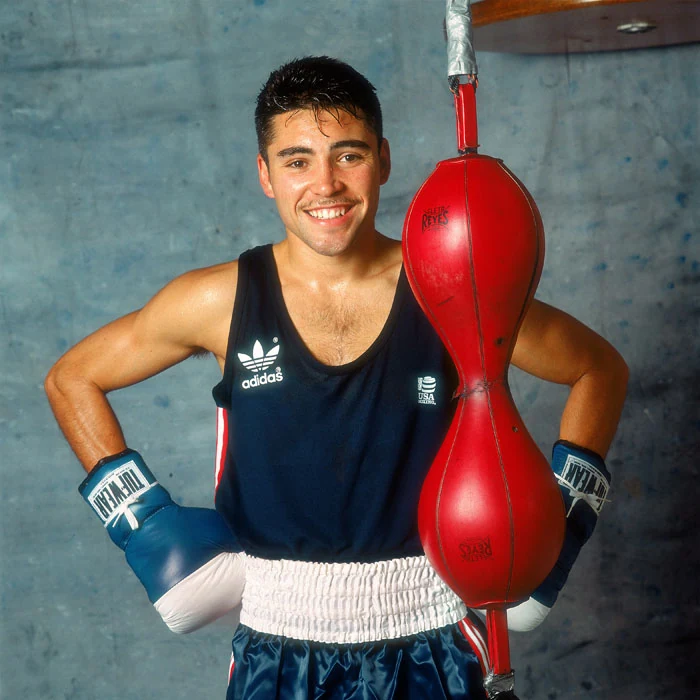
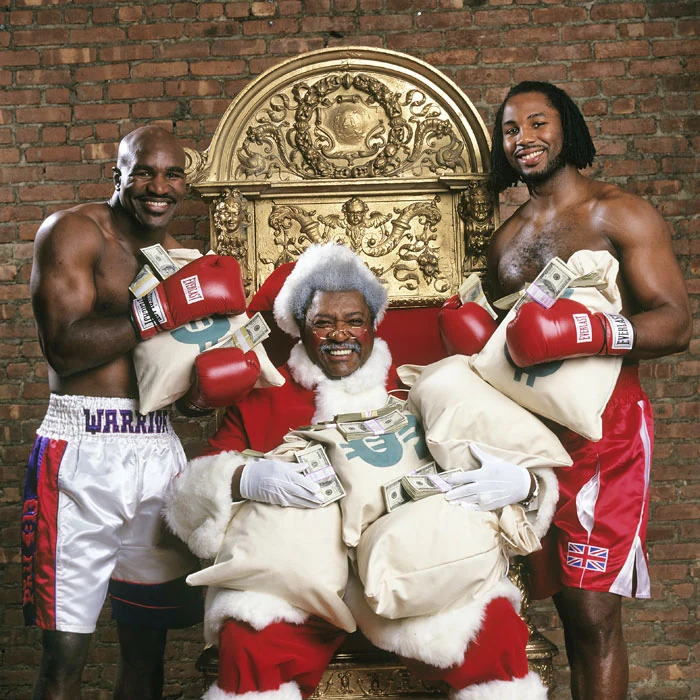
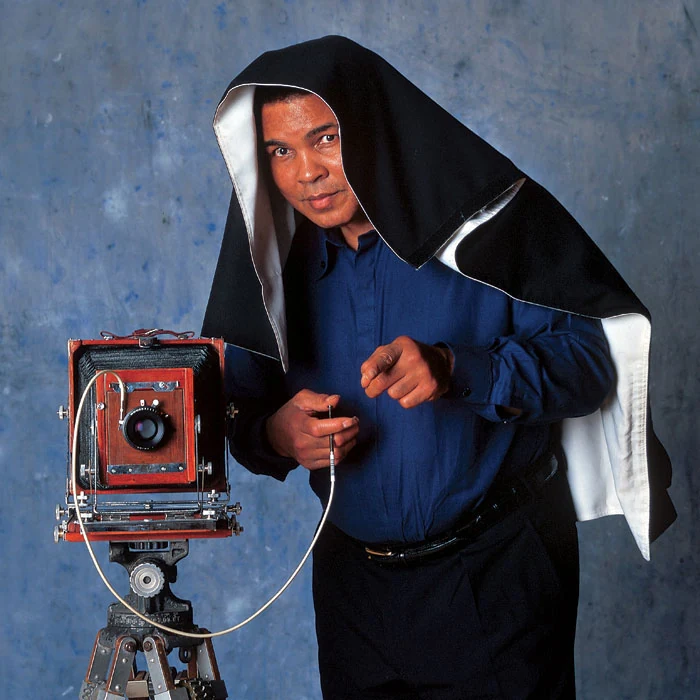
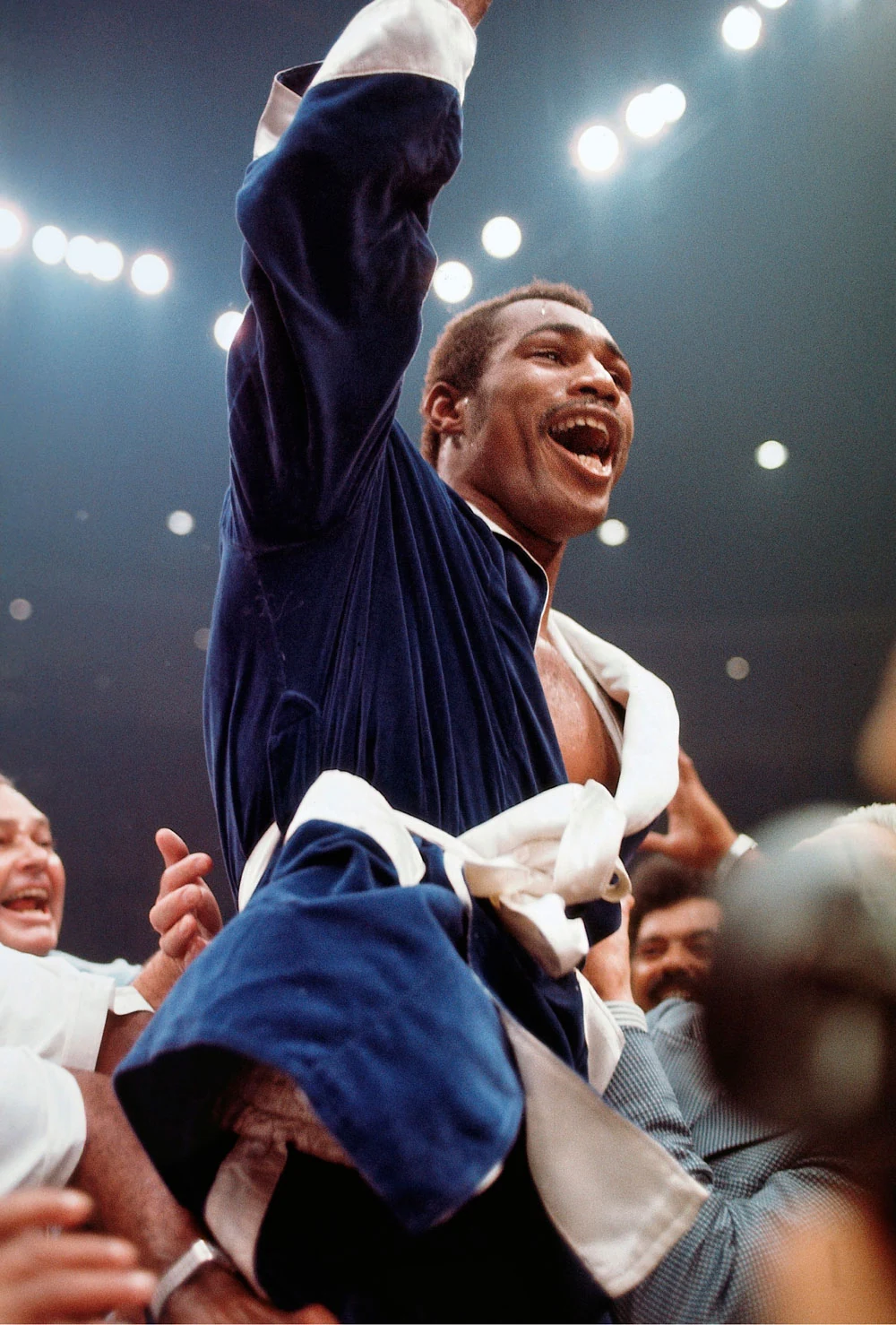
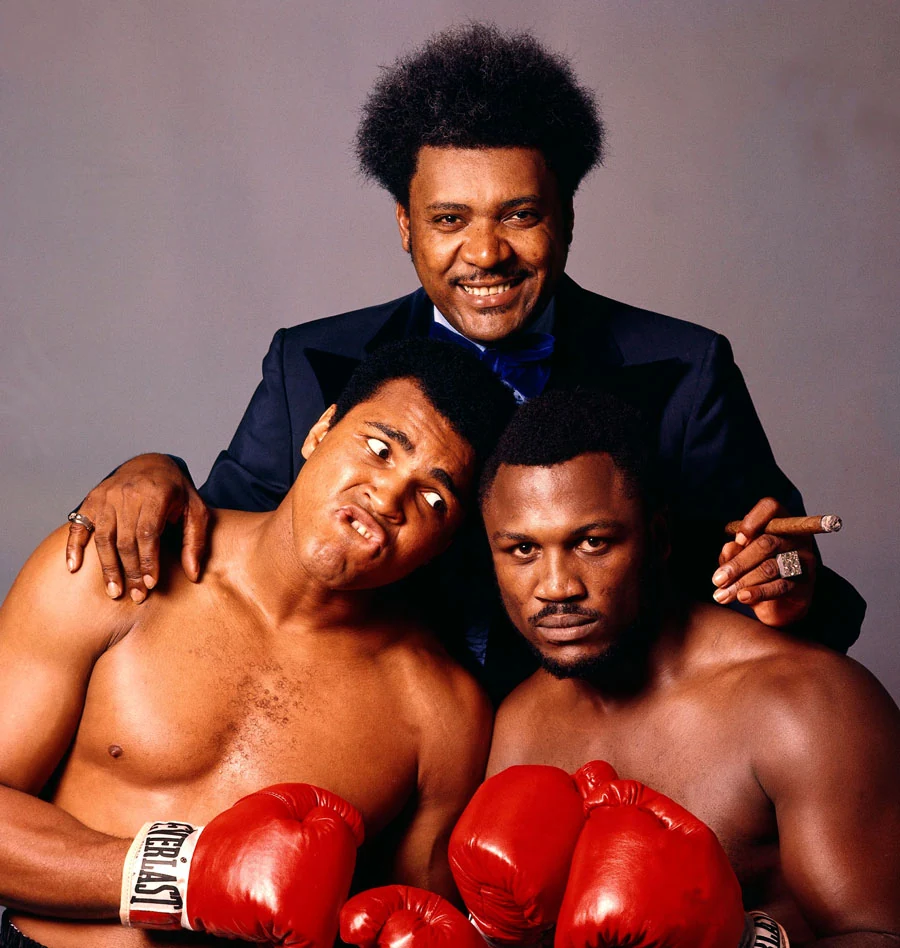
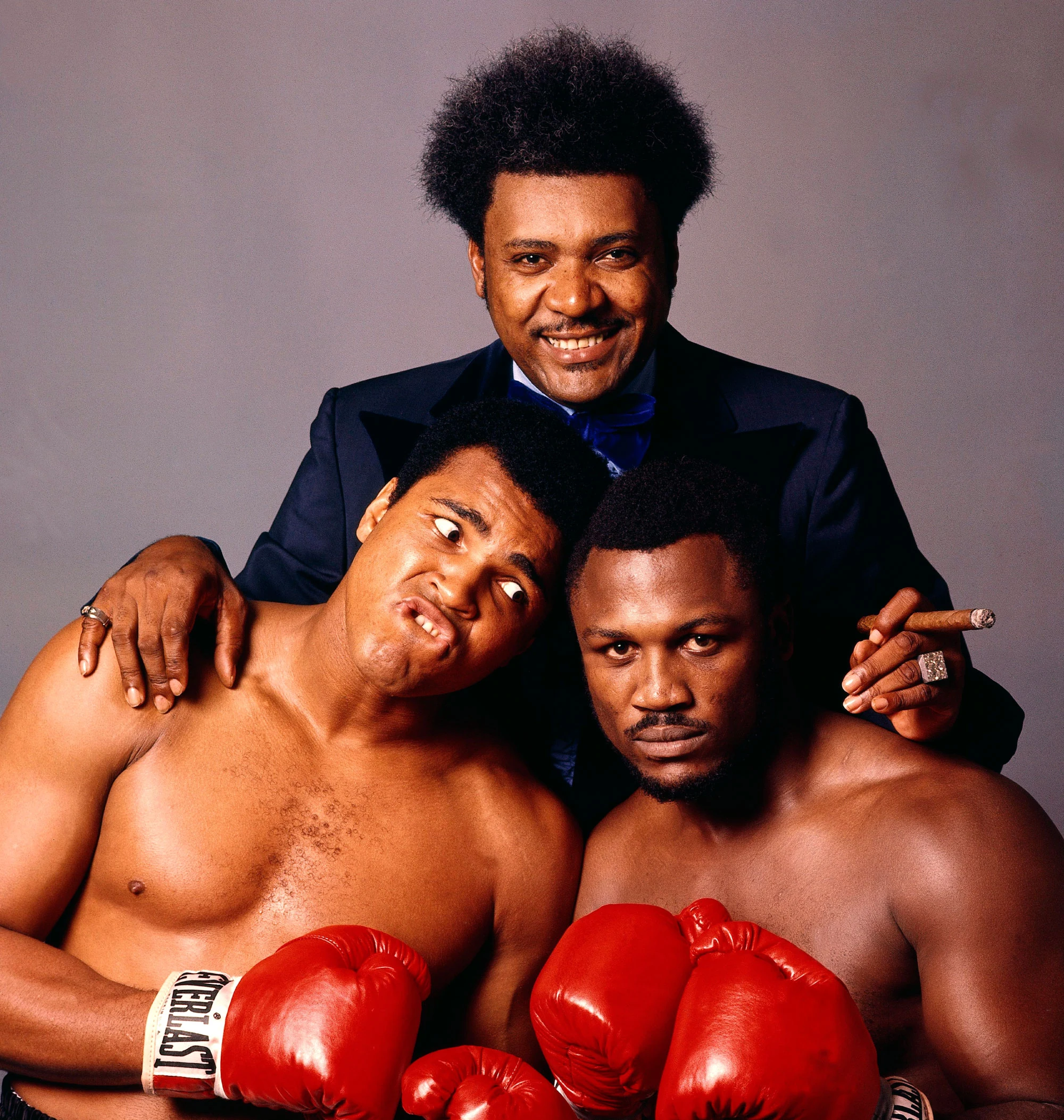
Portraits. Top, from left: Sonny Liston, 1967; Don King, 1975; Ken Norton, 1976; Gerry Cooney, 1982. Bottom, from left: Evander Holyfield, 1998; Oscar De La Hoya, 1992; Holyfield, King, Lennox Lewis, 1998; Muhammad Ali, 1998
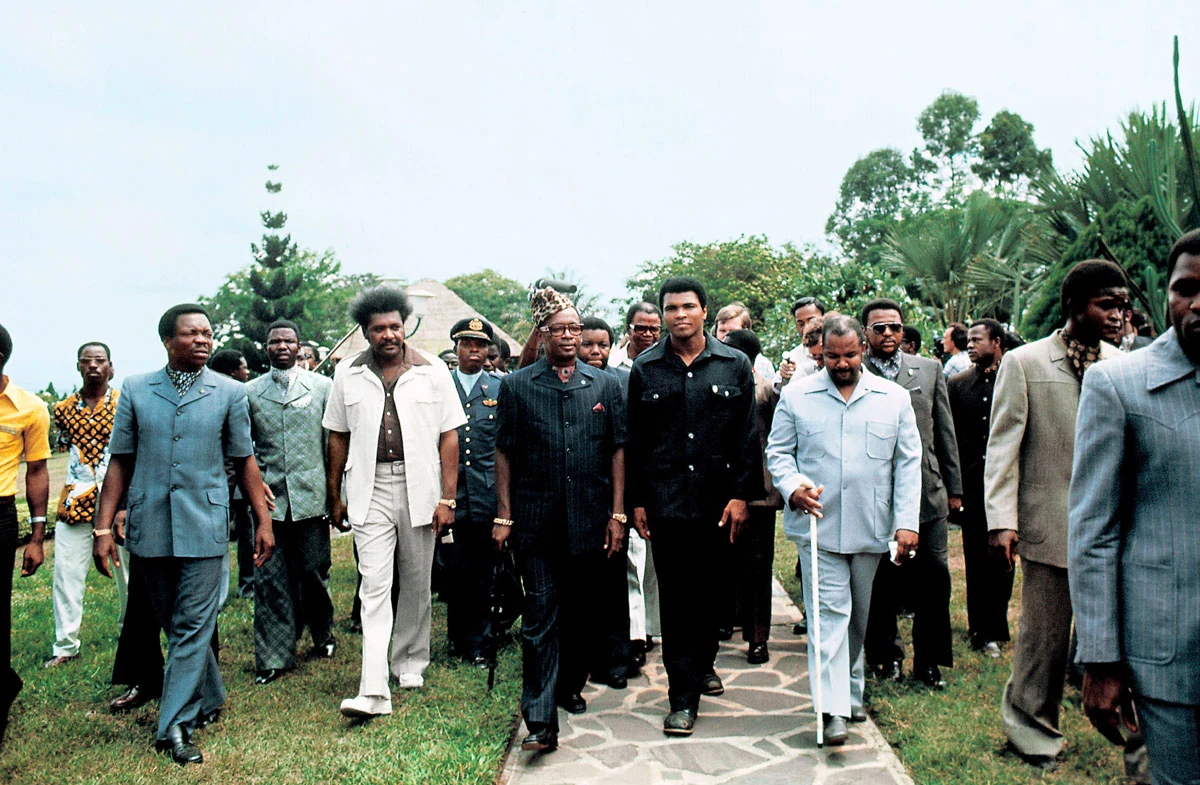
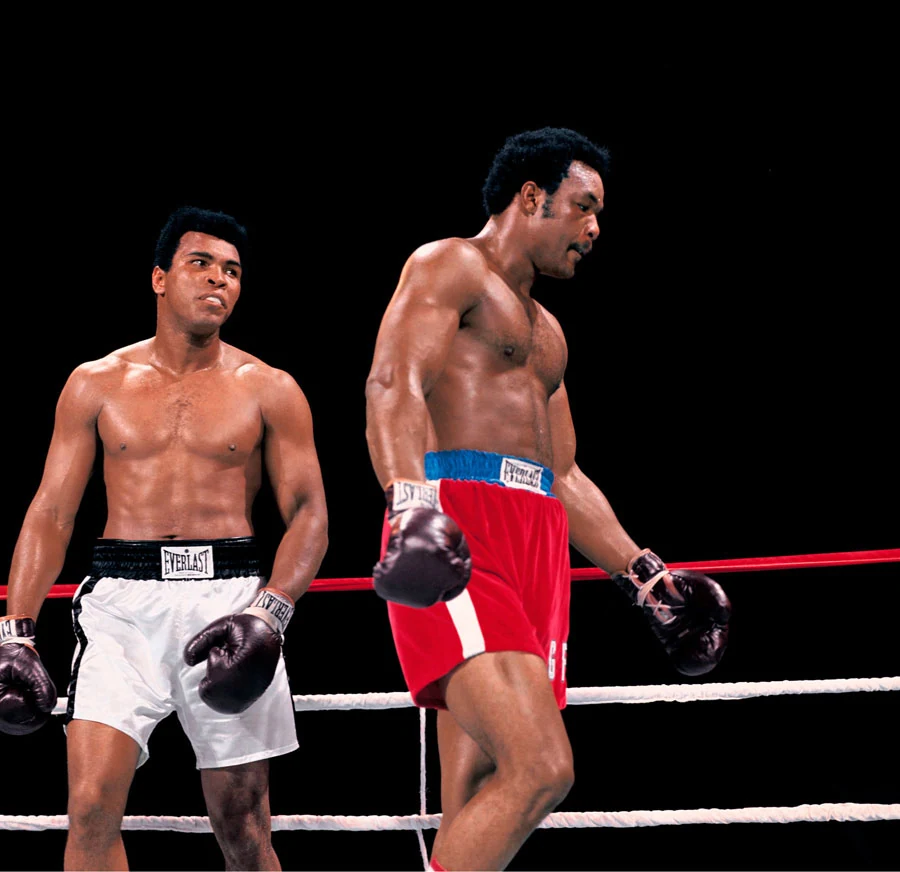
Ali vs. Foreman 1974
 expand
 expand
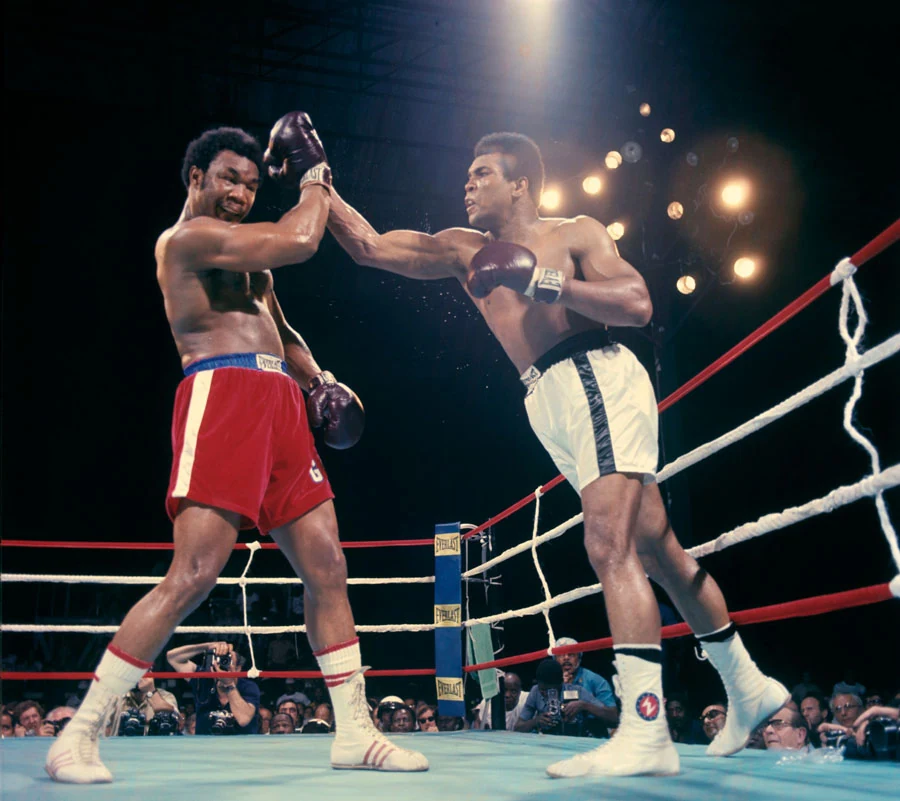 expand
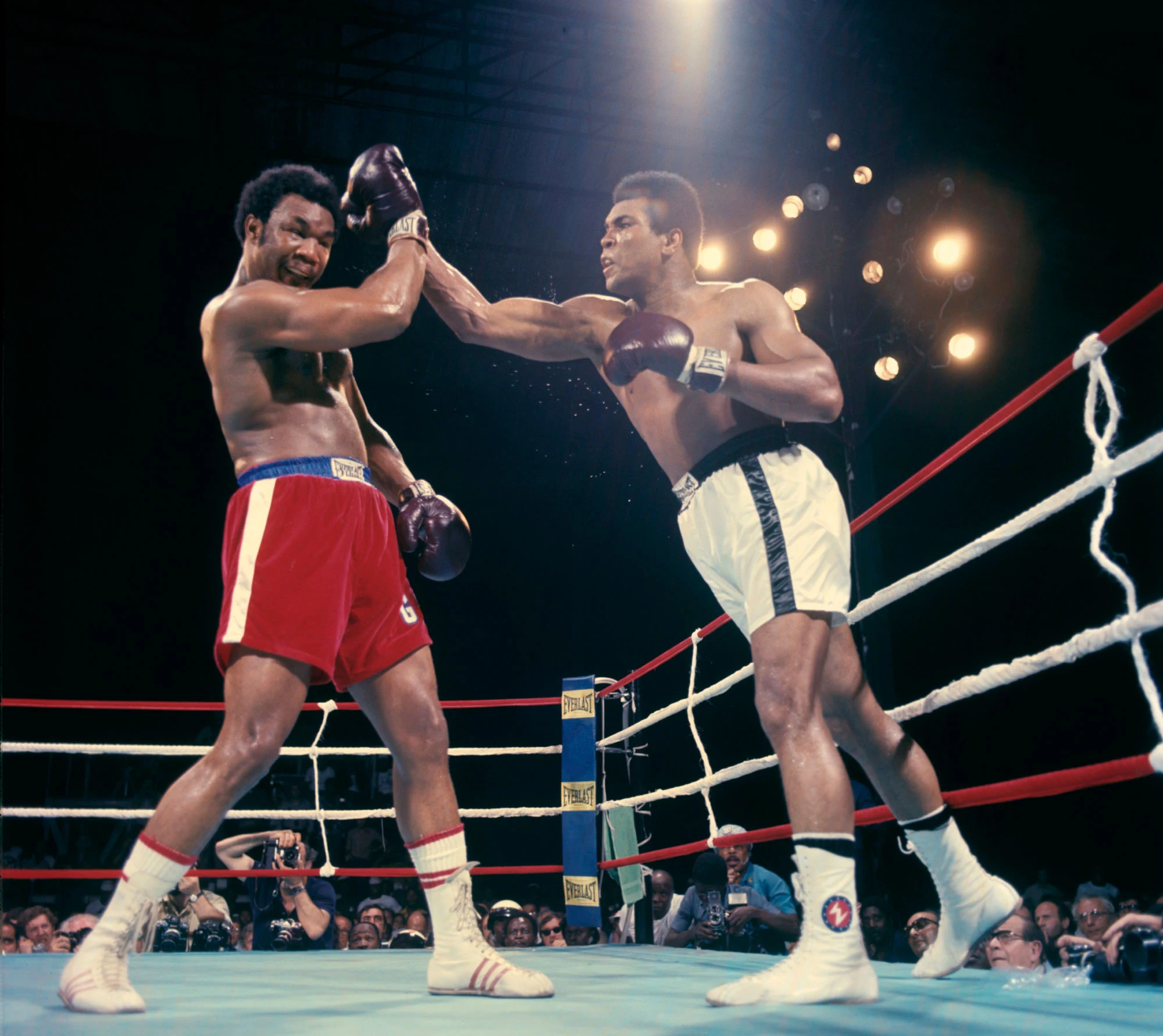
- “My favorite picture from Zaire is at the end of round seven and it was at this moment that both fighters knew what the outcome was going to be. And what makes the picture so special is the body language of both fighters. Do I wish I got the knockout picture? Sure I do. But you know what? I’m not sure I’d trade it for this picture.”
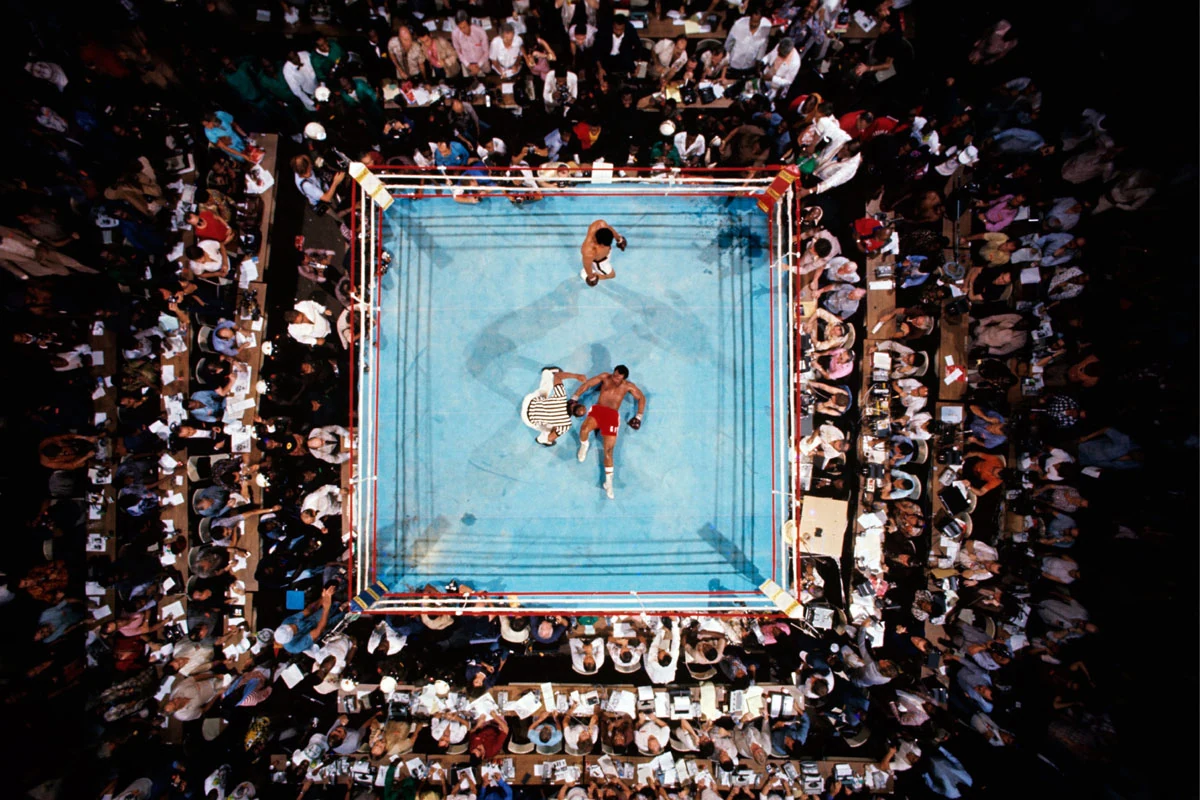 expand
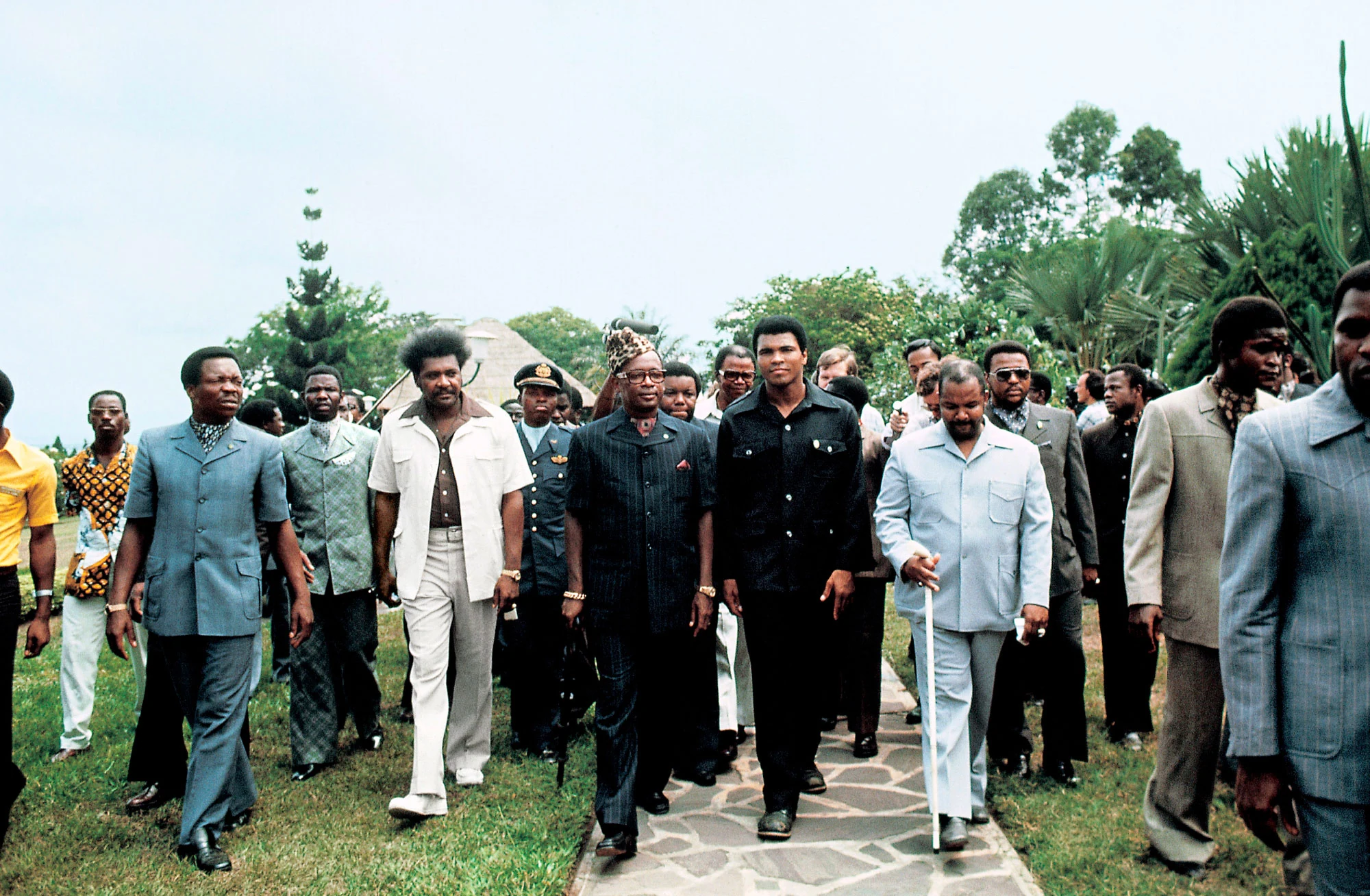
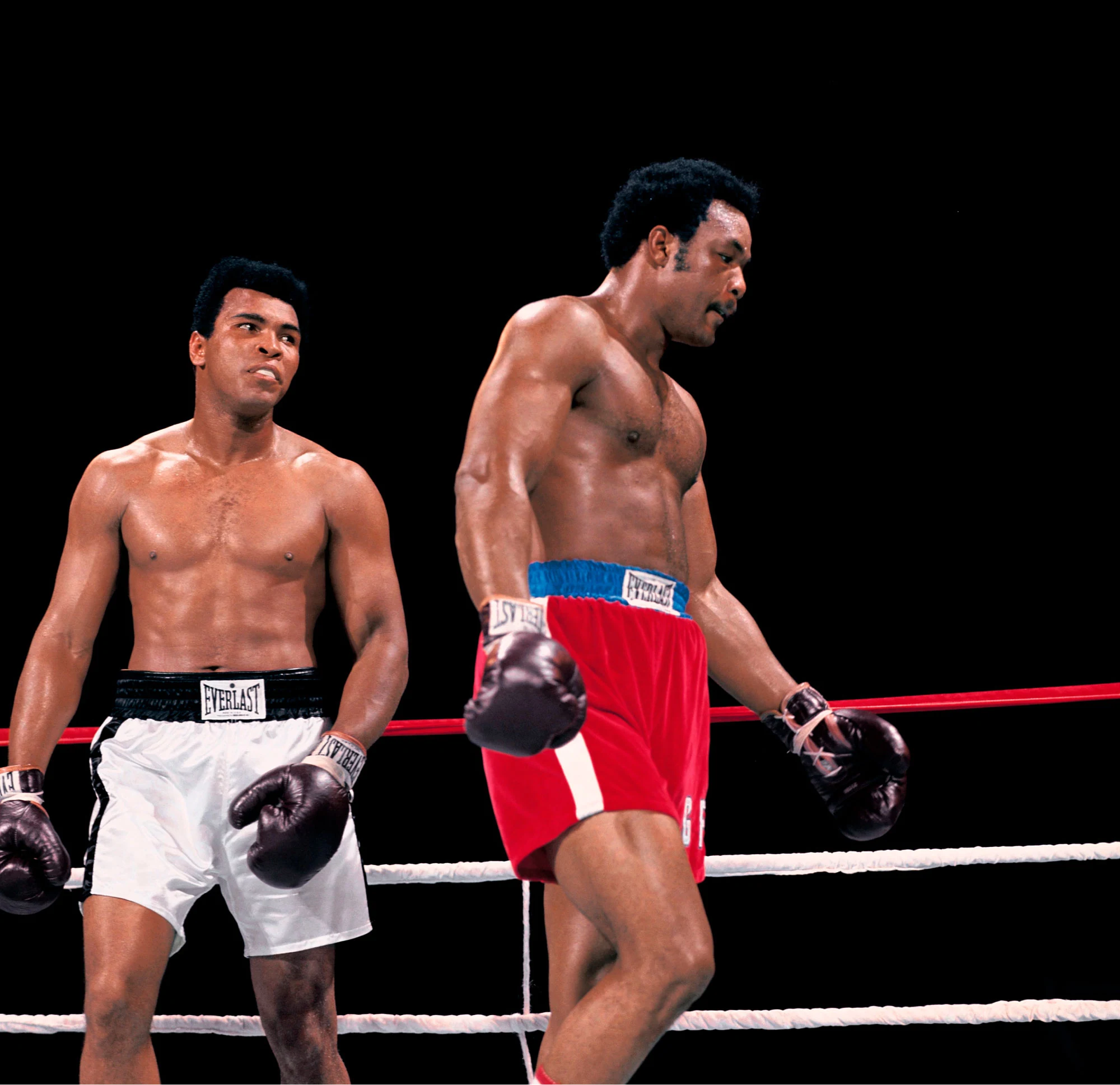

expand
Leifer watched Duane Bobick and Roy “Cookie” Wallace go at it at Nassau Coliseum in 1975.
Thrilla in Manila 1975
 expand
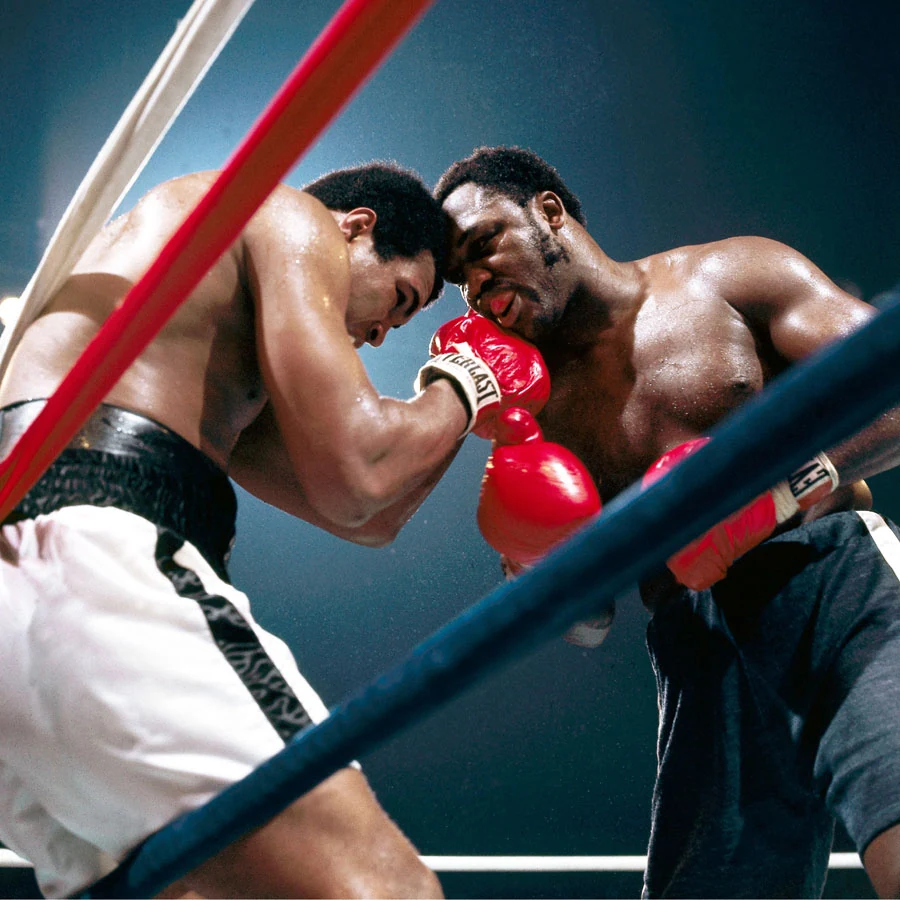
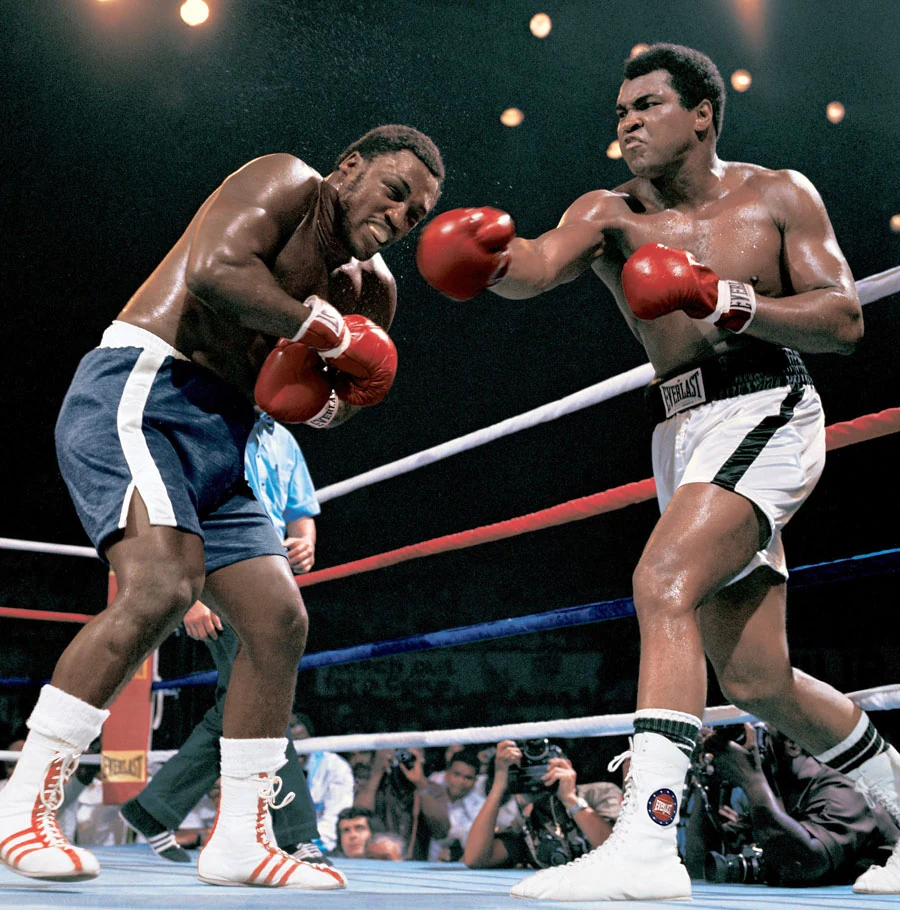
- “Everyone went to Manila just expecting this was going to be a great experience. How many times are you going to get to go to the Philippines to spend a week to 10 days in Manila. I was thrilled to be going, but I certainly didn’t expect a great fight. I expected an easy Ali win and it turned out to be anything but that.”
 expand
 expand
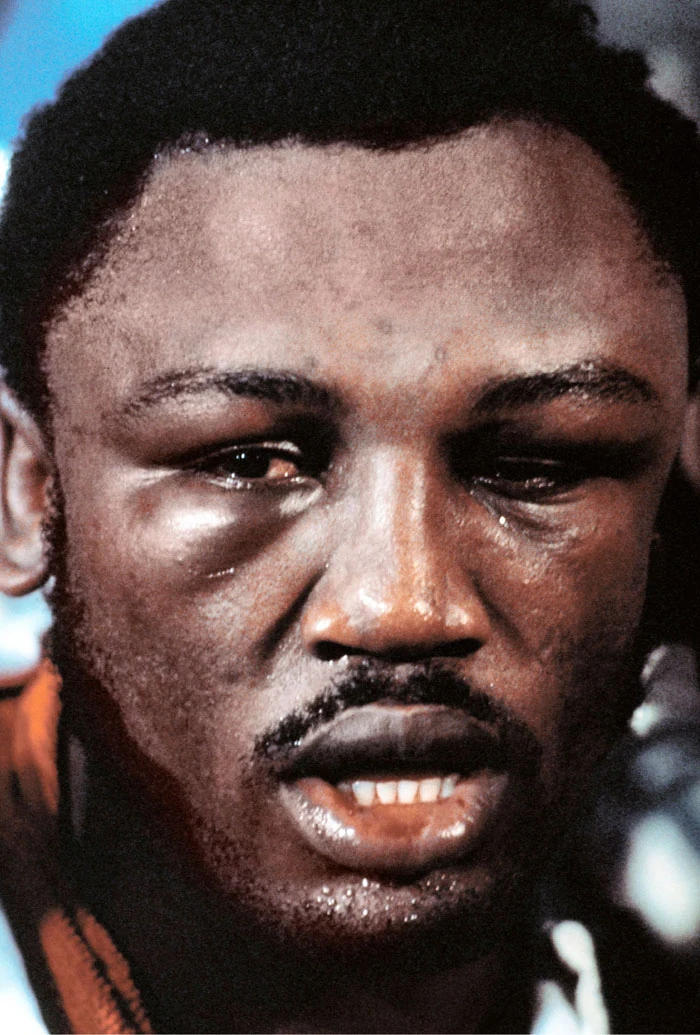
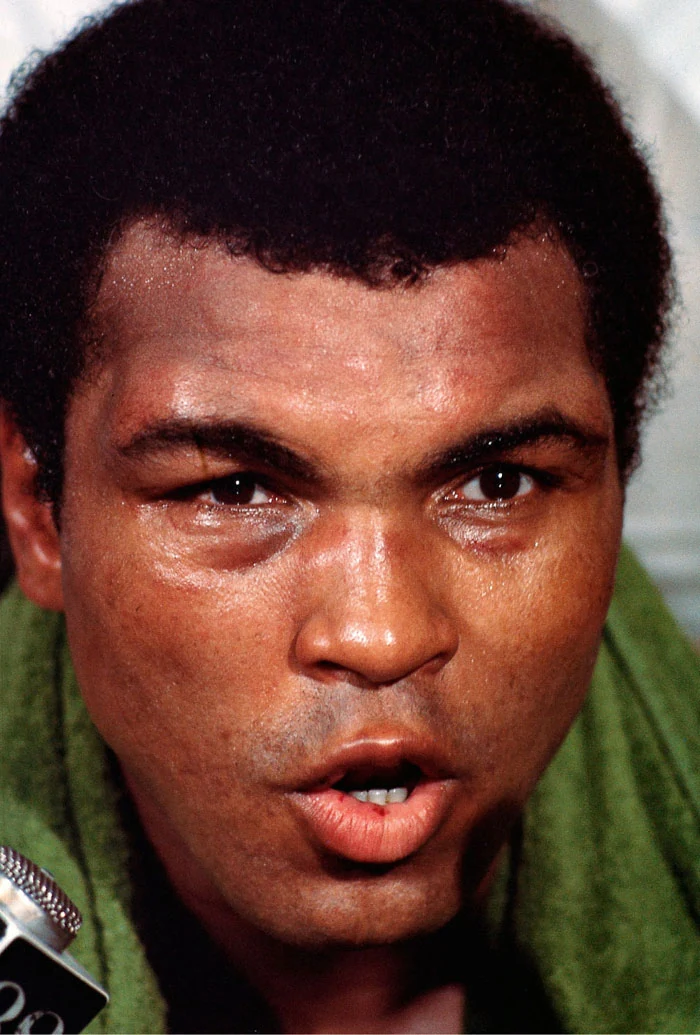
- “Look at Frazier’s face in the post-fight interview and you could see how good Ali was that night. But Joe was every bit as good. It’ll always be the one fight that stands out as being the very best of all the boxing matches I covered, and I covered a lot of fighting.”
 expand
 expand
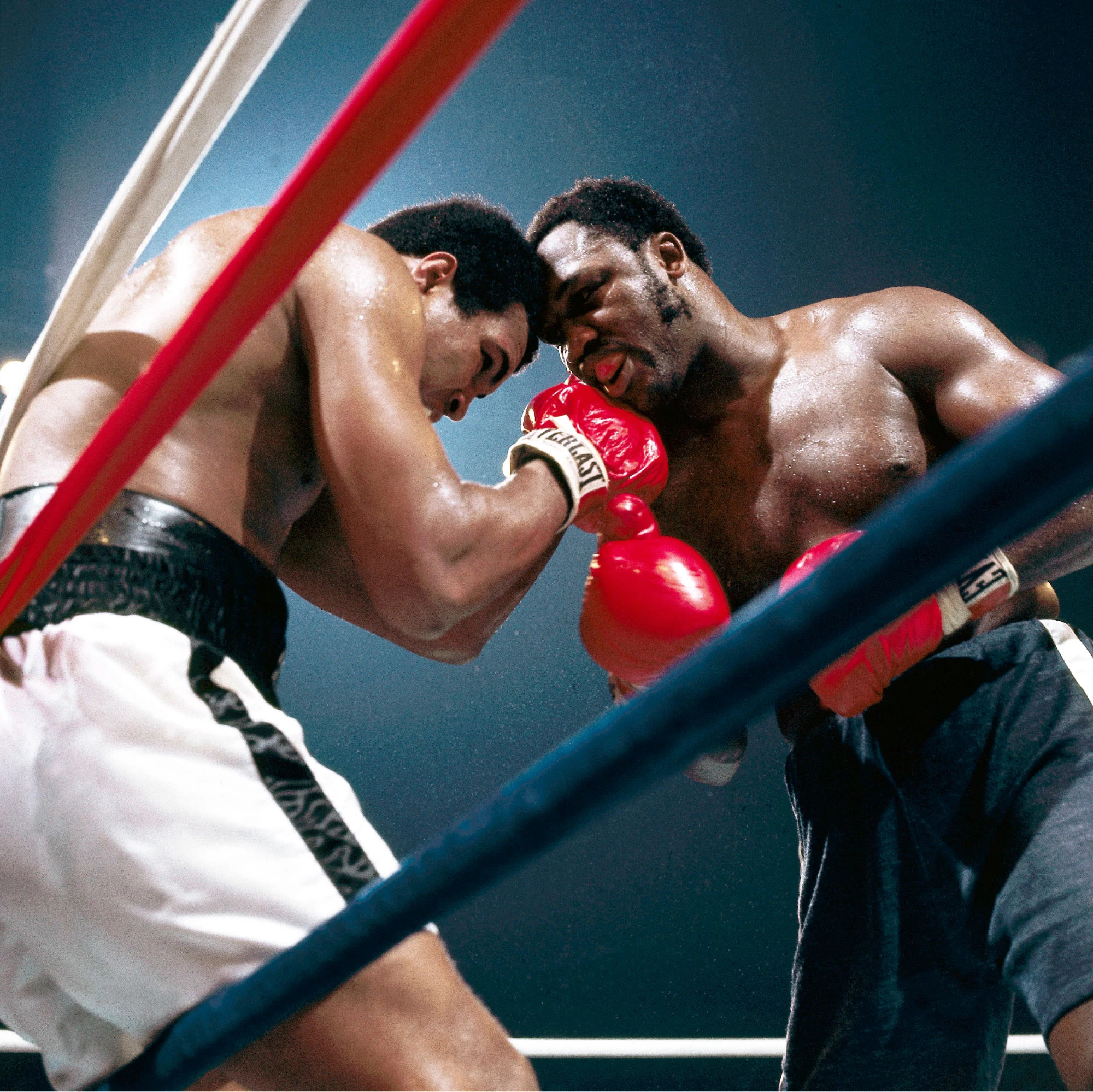
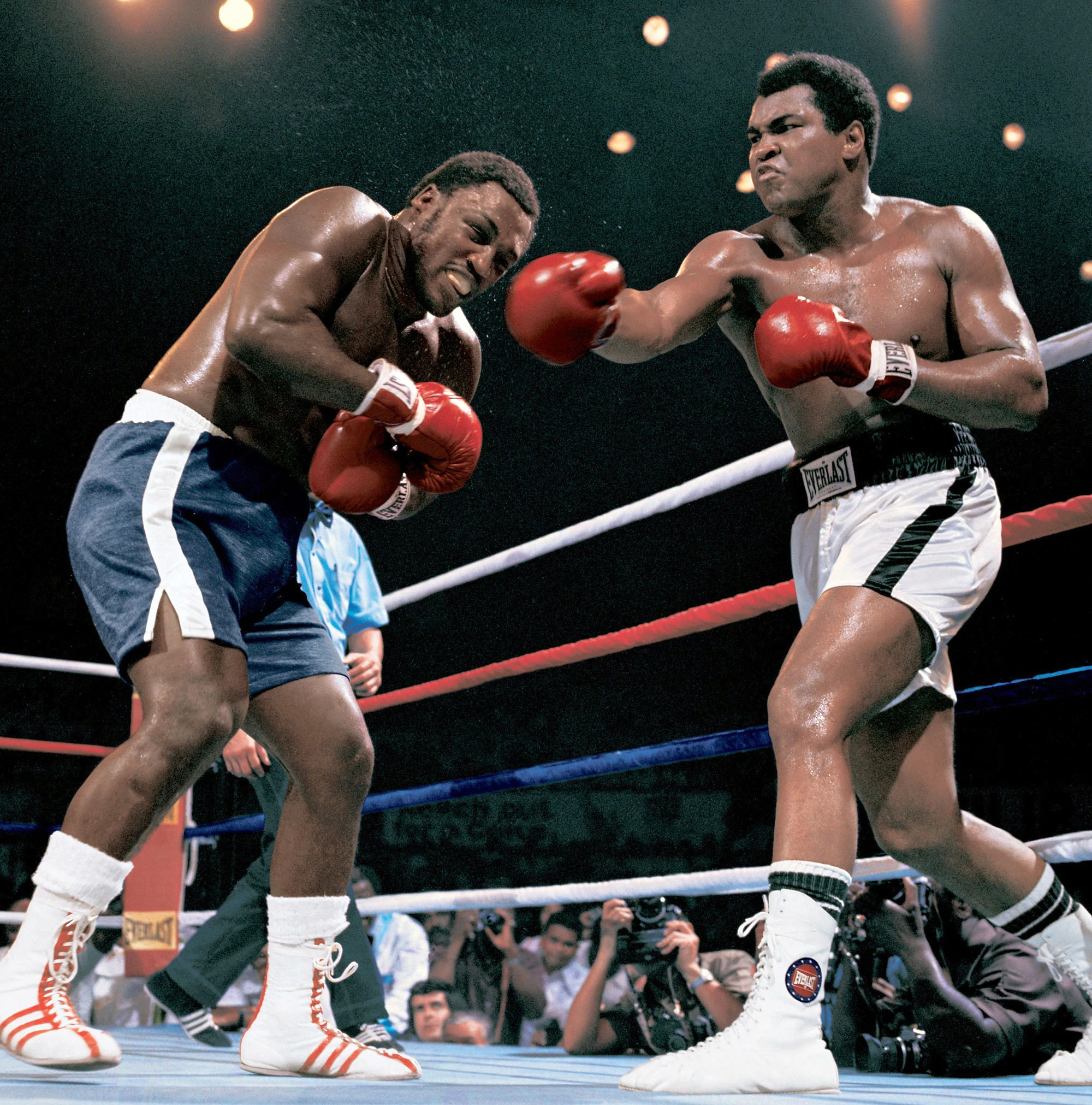
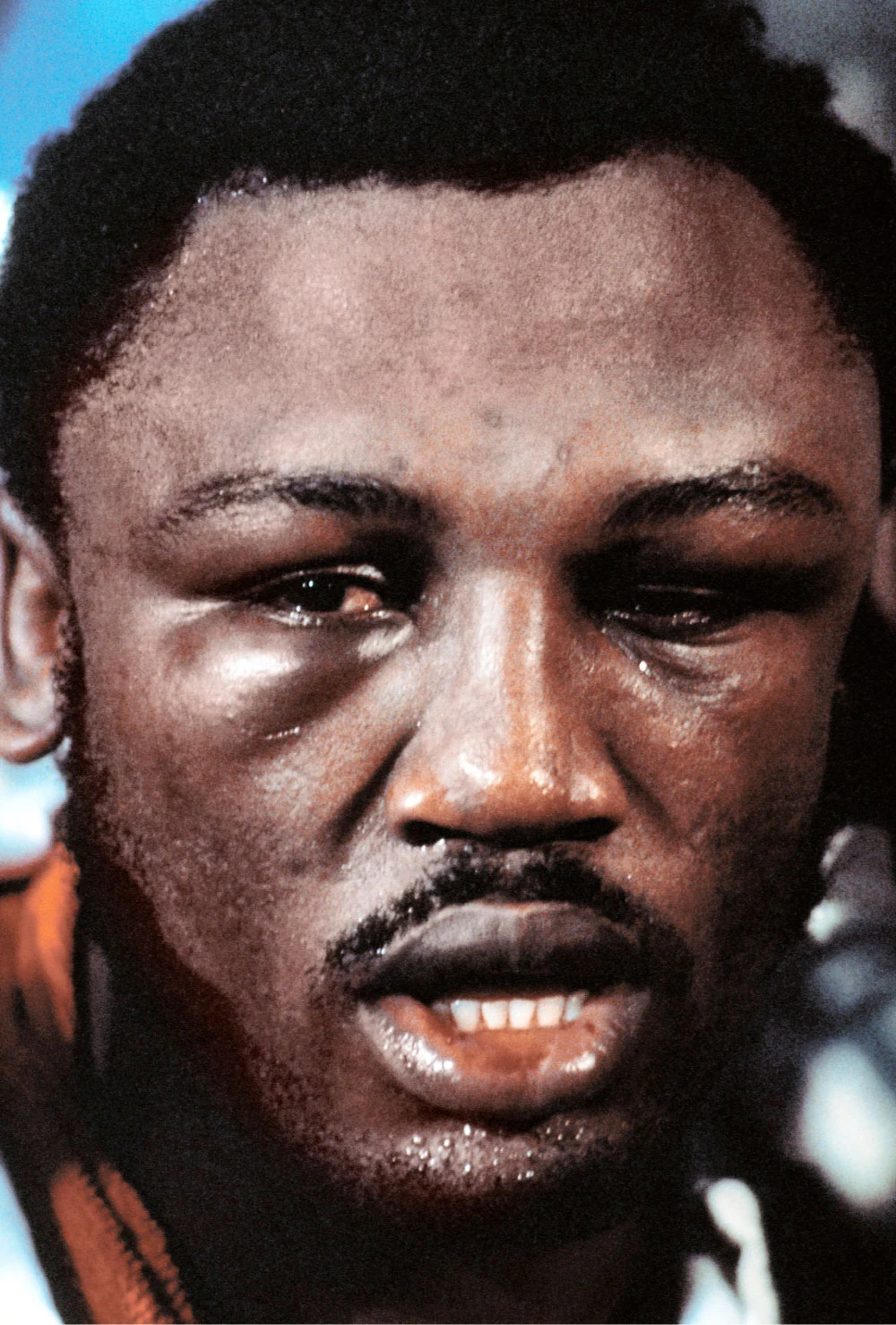

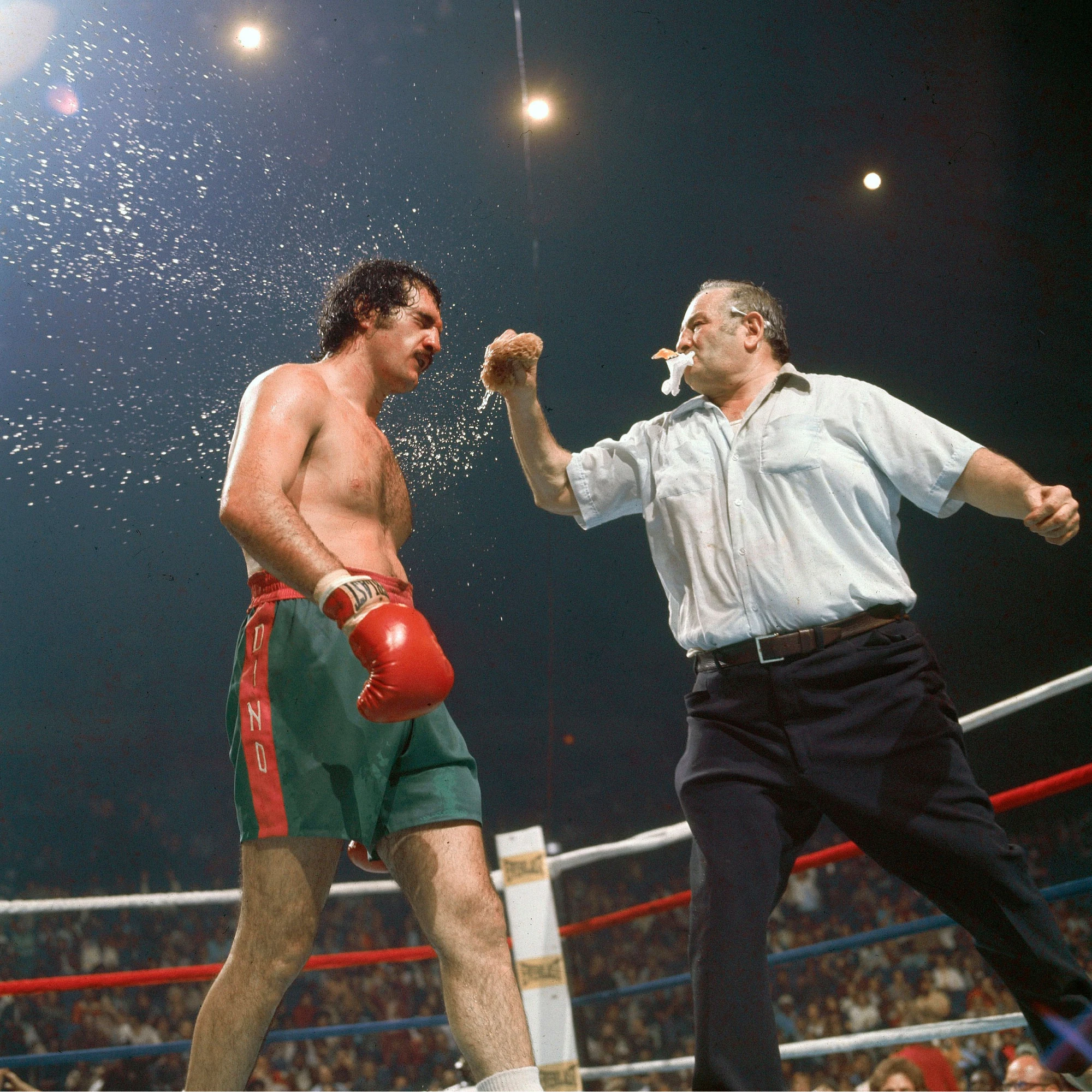
expand
John “Dino” Dennis is sprayed with water by trainer Al Braverman during a 1976 fight vs. Obie English at Capital Centre.
expand
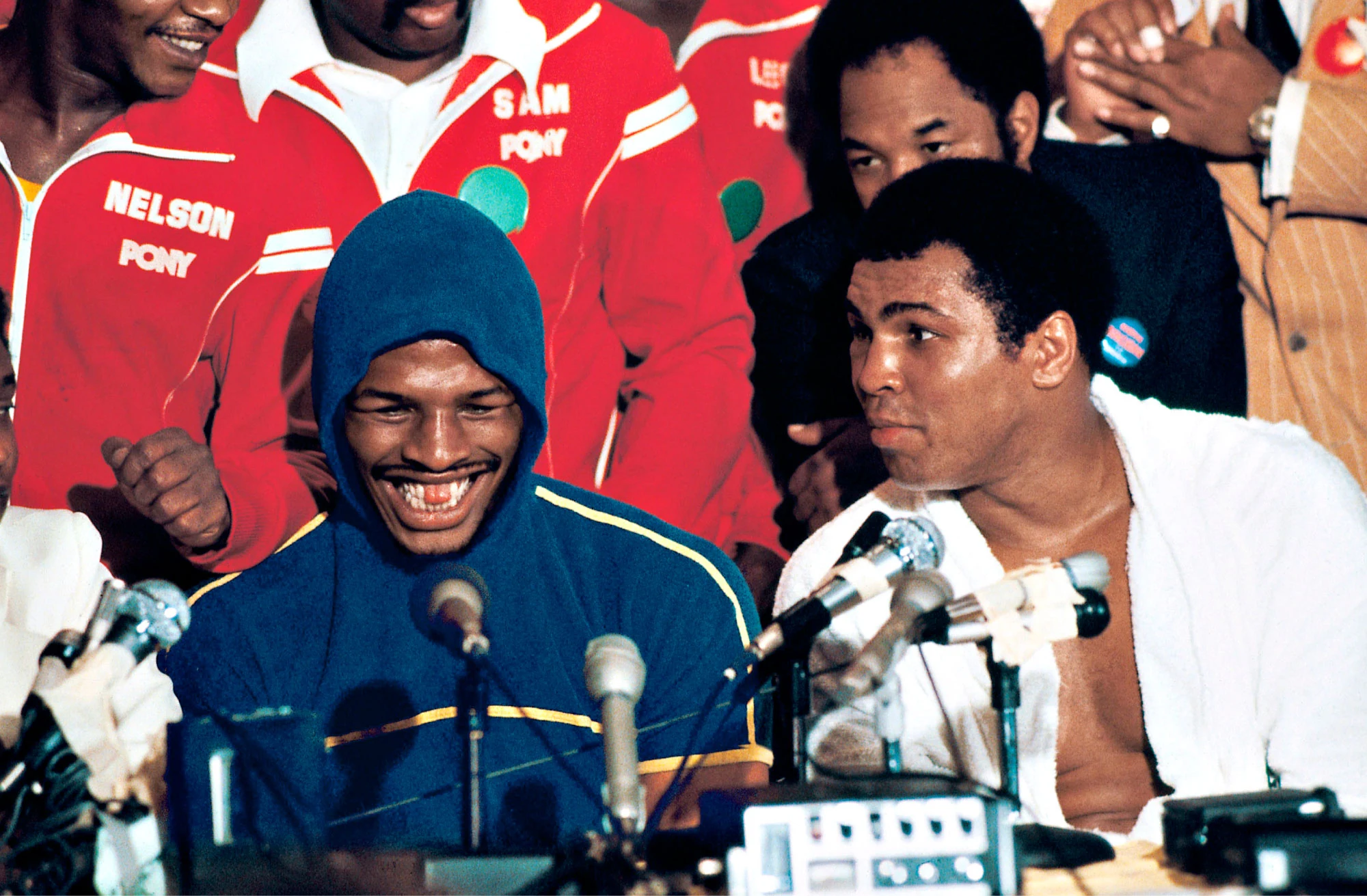
Leon Spinks took center stage over Ali at the press conference after their February 1978 bout. The victorious Spinks and his gap-toothed grin were featured on the Feb. 19, 1978 cover of Sports Illustrated.
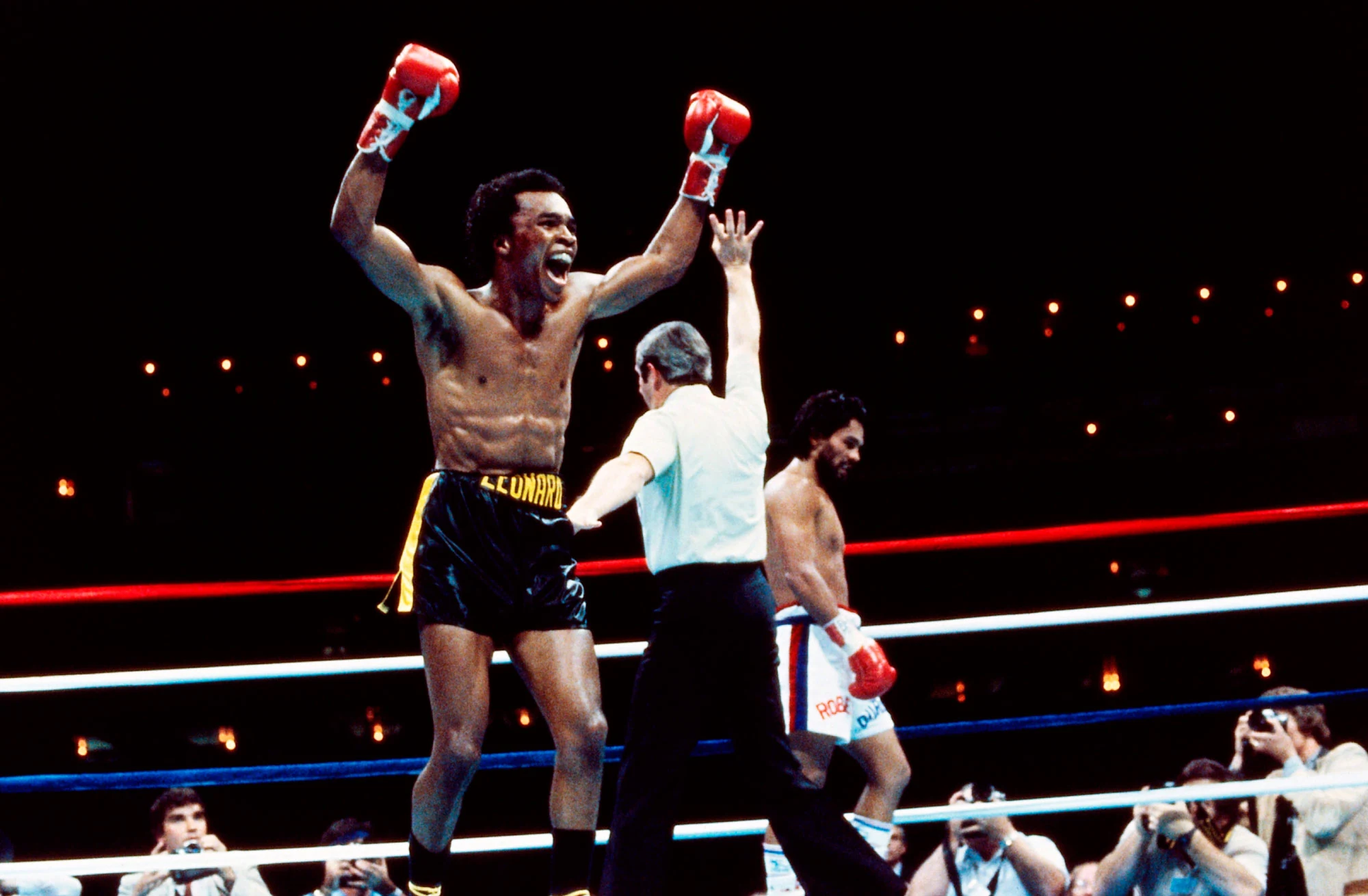
Leonard vs. Duran: No Mas 1980
 expand
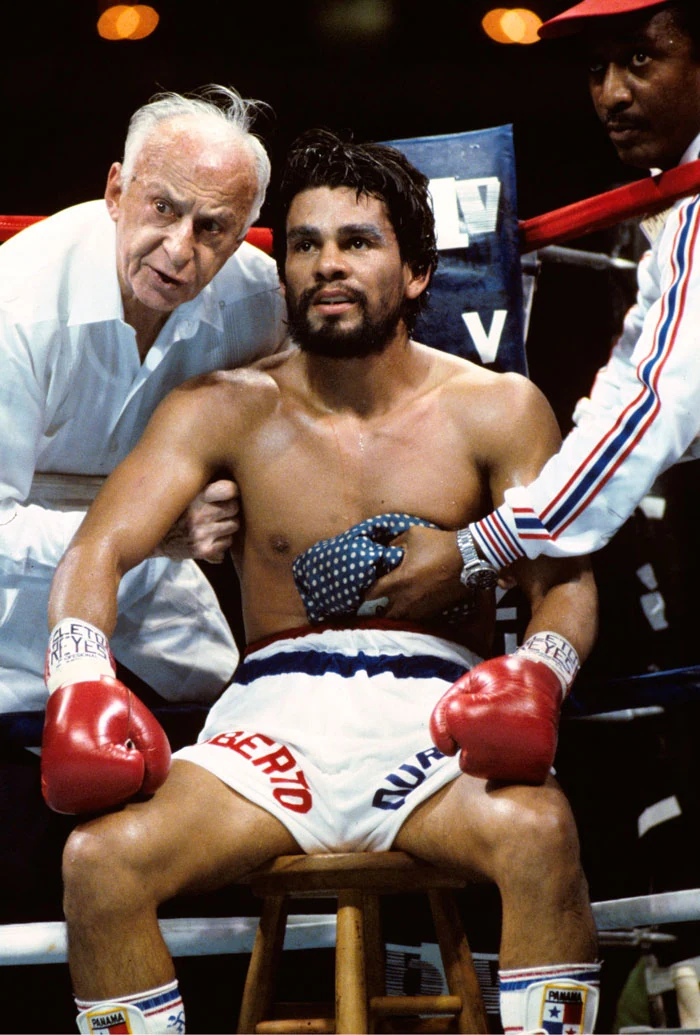
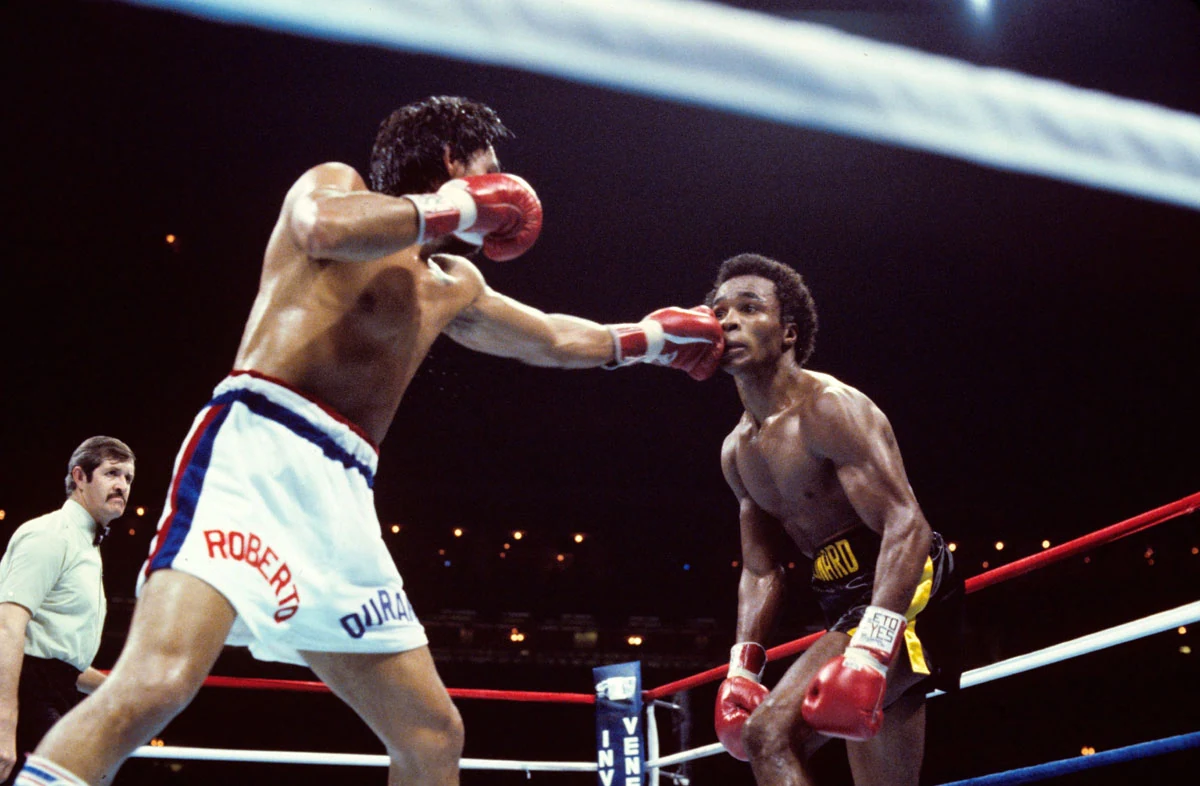
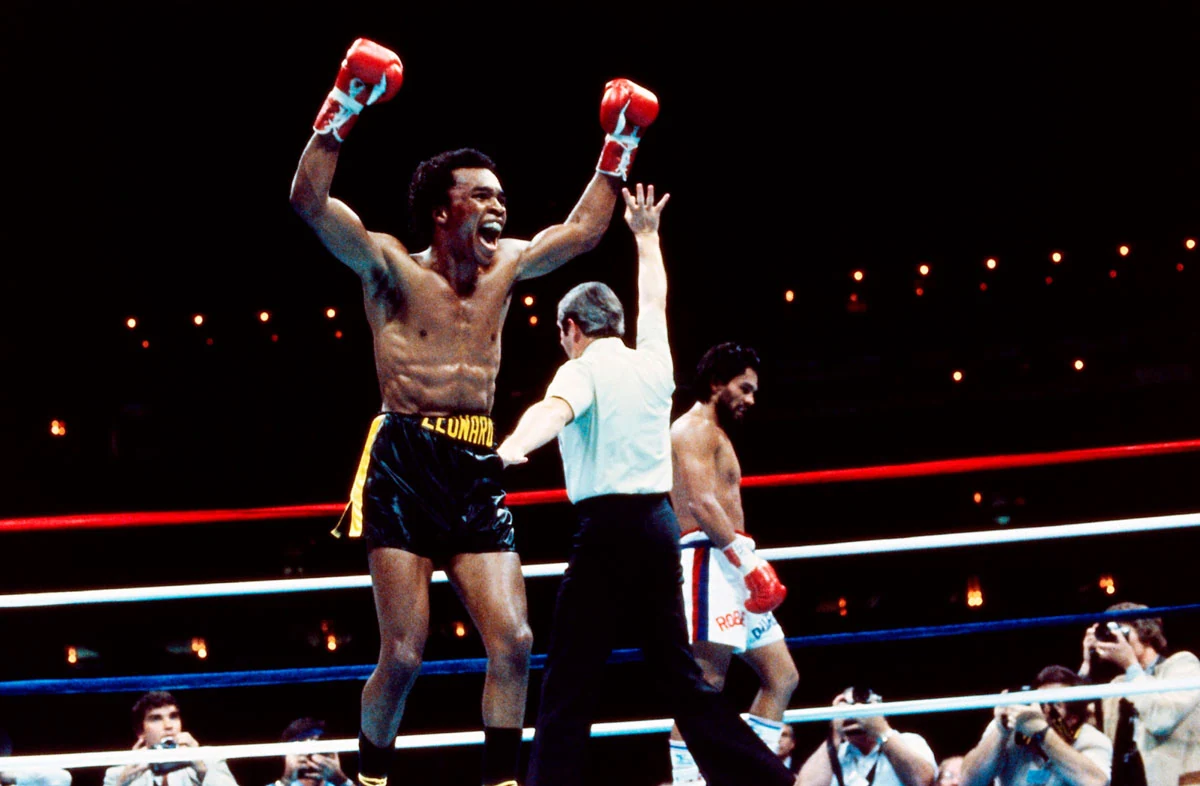
- “I don’t know what the excuse was for Duran quitting. One of the things he said was that he had a stomach ache or something. Maybe this picture shows that he did. I don’t know. I remember when I looked at it the first time, I had read that Duran gave a few excuses and one was that he had stomach cramps or whatever. Here he is with an ice pack, I think, on his stomach and that isn’t something you normally see in the middle of a fight.”
 expand
 expand


expand
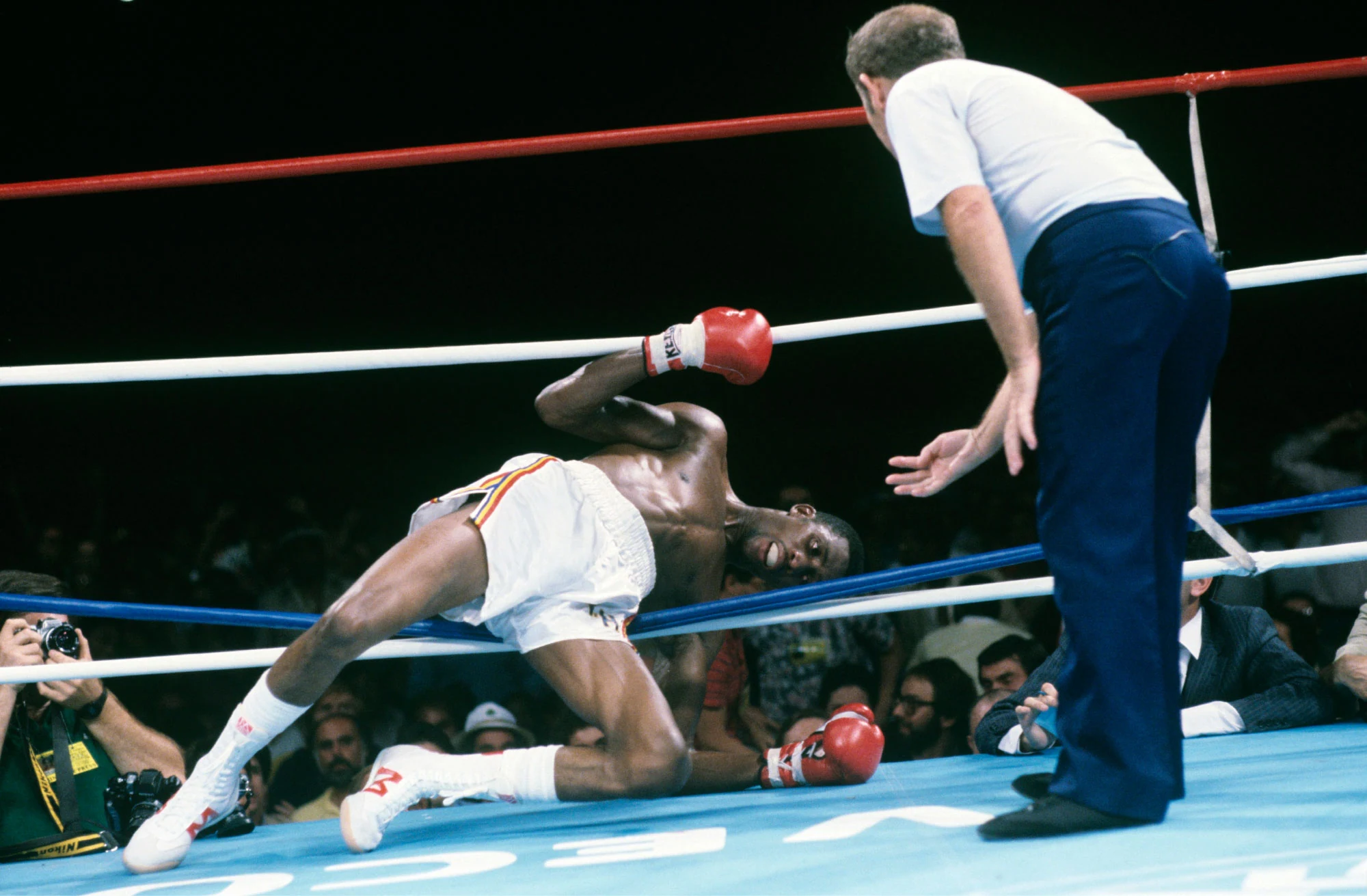
Leifer was on hand when Thomas Hearns nearly fell out of the ring but for the ropes during a 14-round loss to Sugar Ray Leonard at Caesars Palace in Las Vegas.
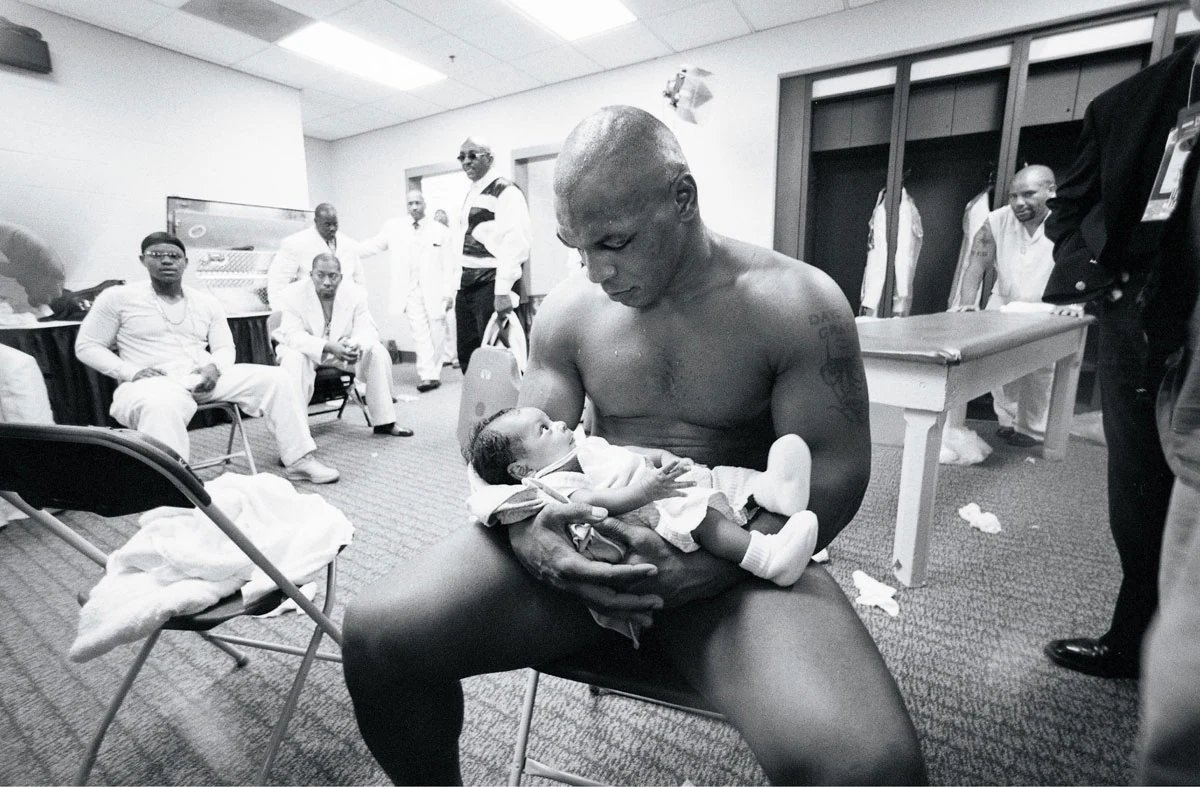
Tyson vs. Lewis 2002
 expand
- “They were beginning to physically escort me out of the dressing room and Mike Tyson turned around and his eye was bleeding and he said, ‘Hey, leave him alone. That’s Neil and I told him he could be in here’. And then Mike asked if he could have his son. And Mike sat down in a corner. Everyone else backed off. He kept his word, and that’s how I got this picture.”

expand
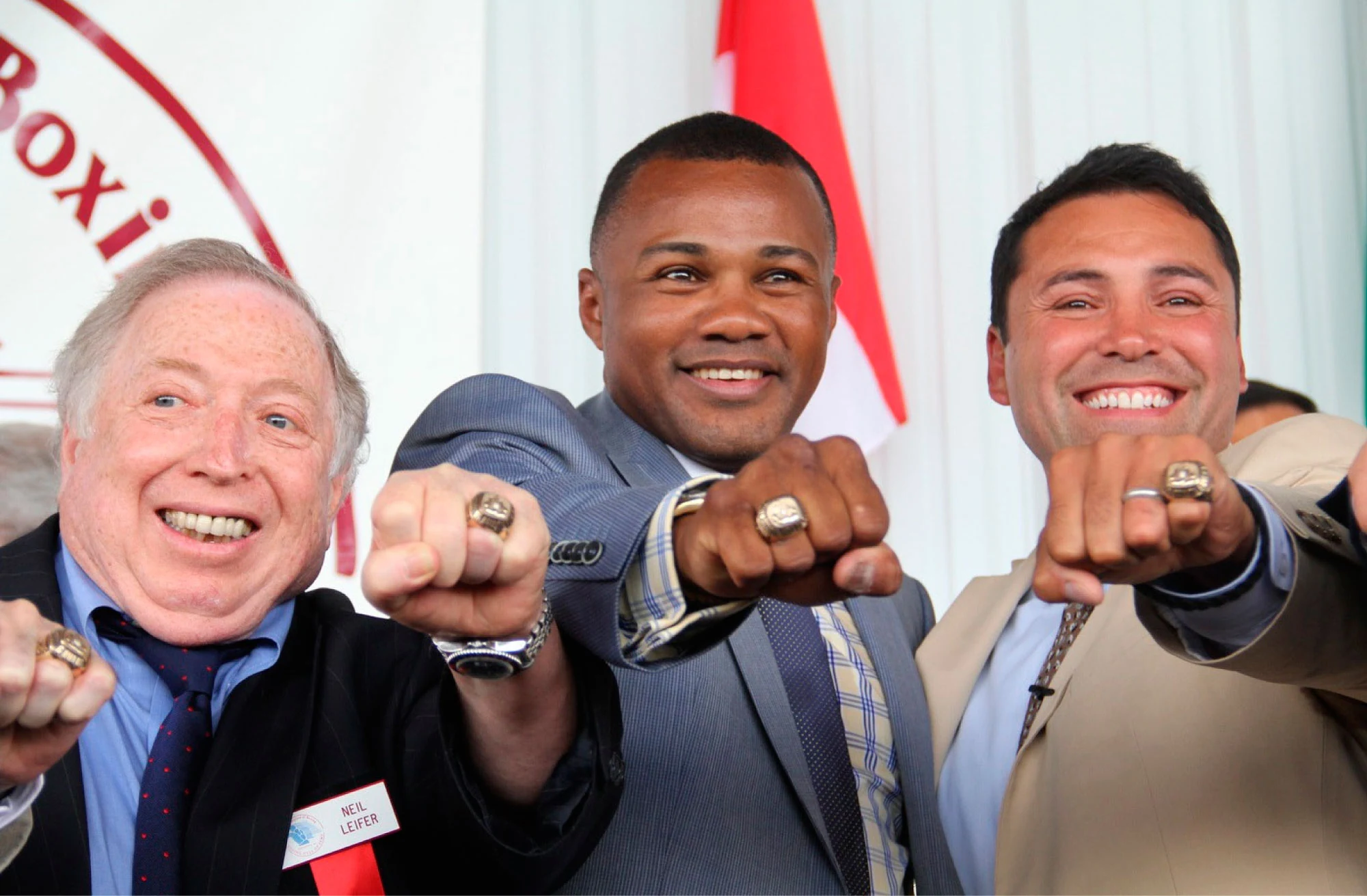
Neil Leifer with fellow Class of 2014 Boxing Hall of Fame inductees Felix Trinidad and Oscar De La Hoya.
“I really can’t tell you why I’ve done as well as I did. I had a real passion for photography and I was a rabid sports fan. Why I was good at it, I don’t know. I worked very hard. I’m not modest about this when I say it, but I don’t think I’m particularly gifted; I think I had to work twice as hard. But the end result is what pays off. ... The way you look at sports photographers, or certainly the way I have always looked at them, is the difference between the really good ones and just the average shooter is that you have to be very lucky, and again that sounds modest, but again you do have to be in the right seat. When you’re in the right seat and in the right place at the right time, a really good photographer doesn’t miss, and I guess if you wanted to summarize why I’ve been successful -- I haven’t missed a lot when I’ve been lucky.”
Neil Leifer